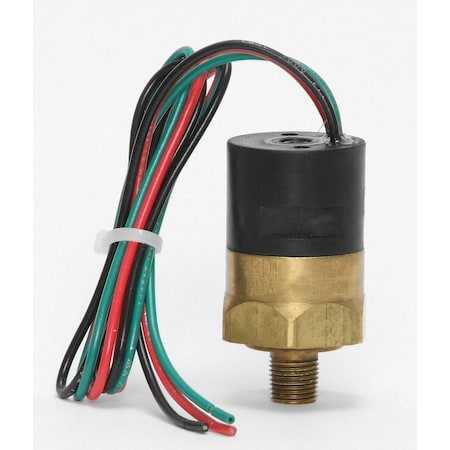
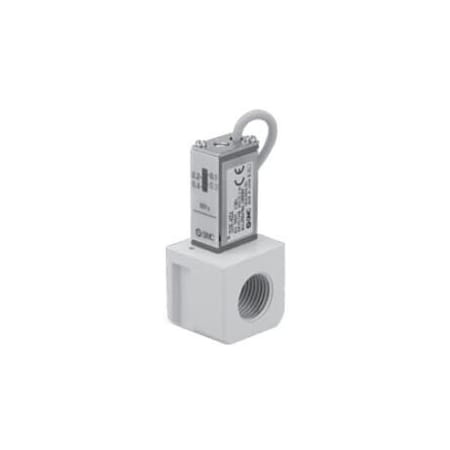
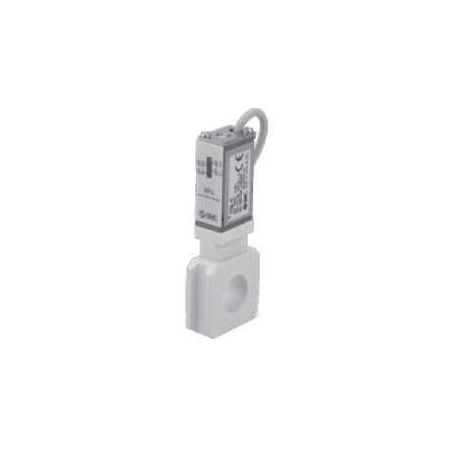
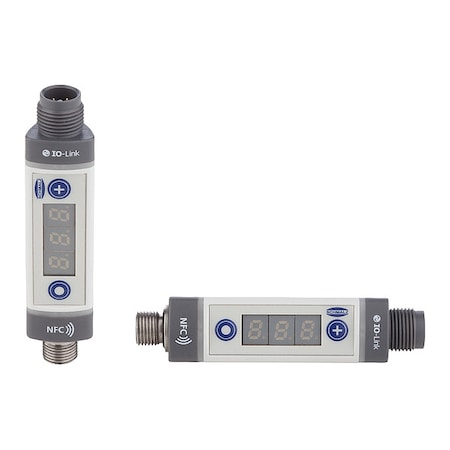
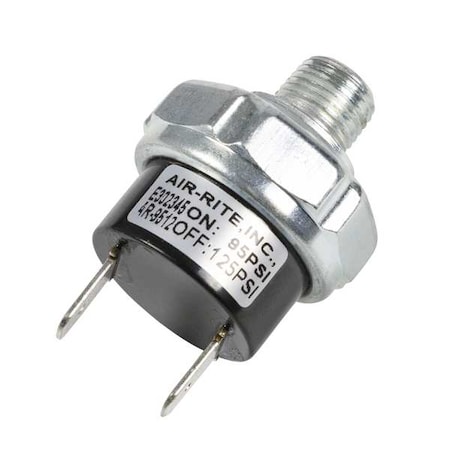
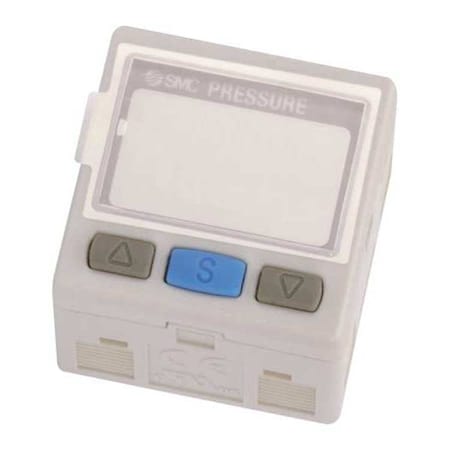
Vacuum pressure switches detect when vacuum pressure inside a circuit is functioning within safe parameters. Like a differential pressure sensor, a vacuum pressure switch is useful when used in conjunction with a pressure transducer, which converts pressure into electrical energy. These vacuum switch models are used in many hydraulic, pneumatic, mechanical and fluid applications, and are available with digital or analog readouts. Zoro has pressure regulators for all kinds of applications, including pneumatic regulators and vacuum regulators. Speaking of pressure, our pneumatic lubricators use pneumatic pressure to lubricate cylinders, gears, and motor parts. Vacuum water separators remove water fast and are used for many dental industry applications. Finally, when only a single generator is in use, vacuum saving valves can ensure that vacuum pressure remains constant, even when multiple vacuum pads are in use.
Frequently Asked Questions
A vacuum pressure switch is a device that monitors the pressure of a vacuum system and activates or deactivates an electrical circuit based on the pressure level.
Vacuum pressure switches typically utilize a diaphragm or bellows that is exposed to the vacuum pressure. When the pressure reaches a predetermined set point, the diaphragm or bellows actuates a switch, opening or closing the electrical circuit.
Vacuum pressure switches come in various types, including mechanical, electronic, and digital. Mechanical switches use a physical mechanism to actuate the switch, while electronic and digital switches employ sensors and microcontrollers for more precise and customizable operation.
When choosing a vacuum pressure switch, important factors to consider include the pressure range, accuracy, response time, electrical specifications, and environmental conditions in which the switch will be used.