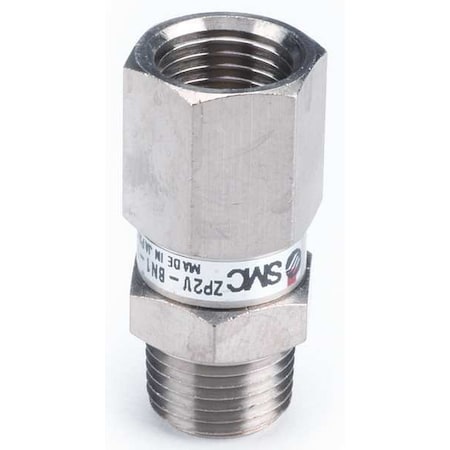
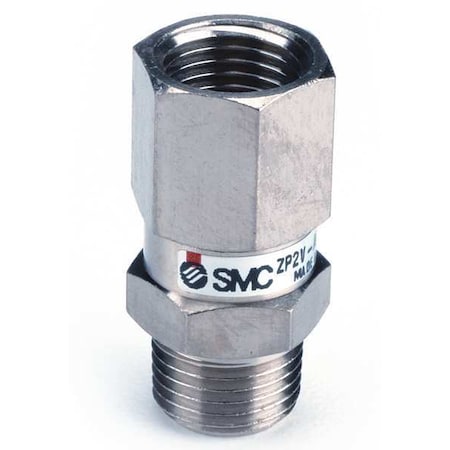
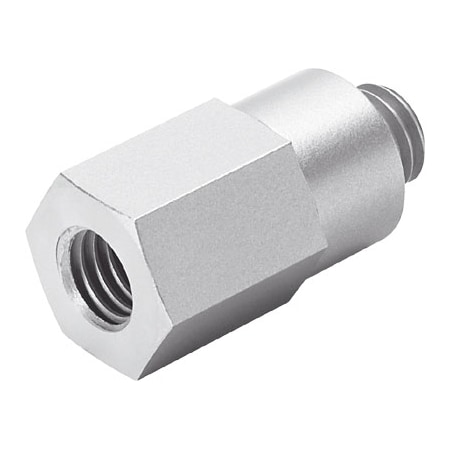
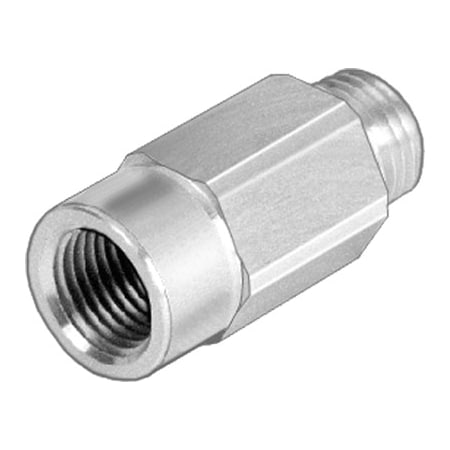
A vacuum valve can help restrict or redirect the vacuum pressures on a pneumatic assembly line. This allows vacuum pads which work as industrial suction cups that lift and transfer objects, to work more efficiently. Our SMC valves have a low power consumption, excellent flow rates, and can perform in a quick manner. We have a variety of additional parts for SMC pneumatics, such as vacuum ejectors that use gas or fluid as its moving force. Vacuum water separators separate solvents prior to reaching the air pump to prevent damages. We also offer a variety of additional vacuum parts such asvacuum pad adaptors for mounting applications.
Frequently Asked Questions
A Vacuum Saving Valve (VSV) is a vital component in a vehicle's emissions control system, designed to reduce harmful emissions and improve engine performance.
The Vacuum Saving Valve is typically situated in the intake manifold or carburetor of an internal combustion engine.
The Vacuum Saving Valve functions by regulating vacuum pressure in the engine. Under specific engine operating conditions, it temporarily blocks vacuum to the brake booster, preventing excessive engine braking and ensuring optimal performance.
Vacuum Saving Valves offer several advantages, including reduced emissions, improved engine efficiency, and enhanced vehicle performance, particularly during acceleration and deceleration.