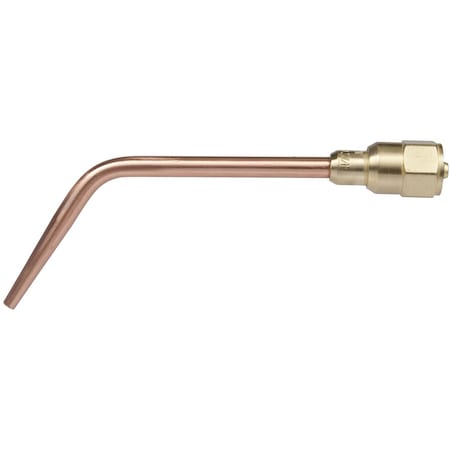
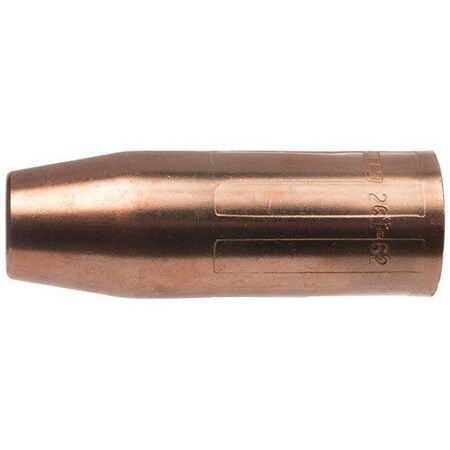
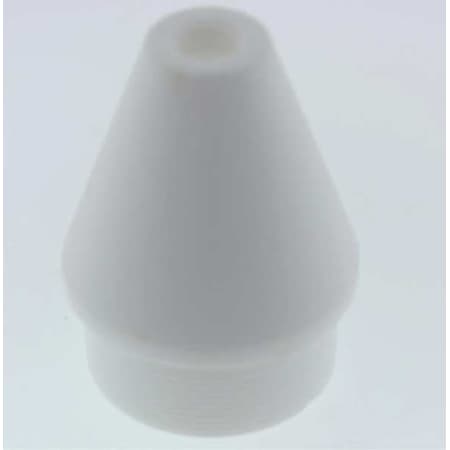
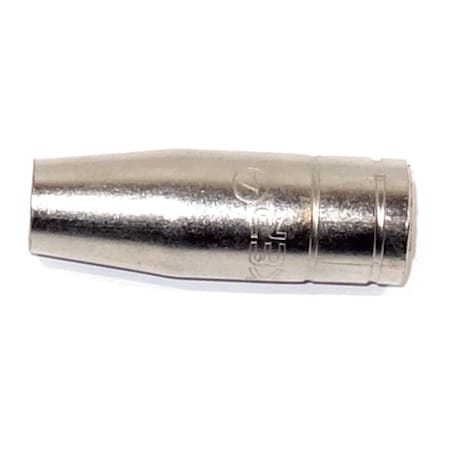
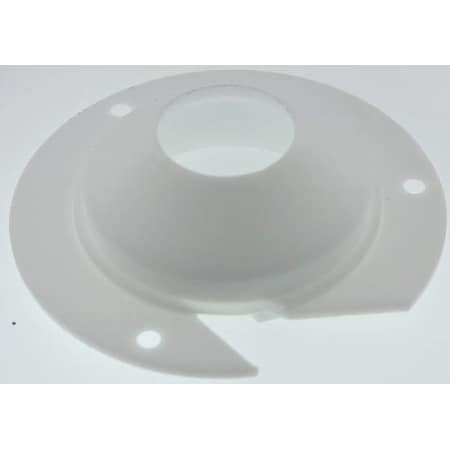
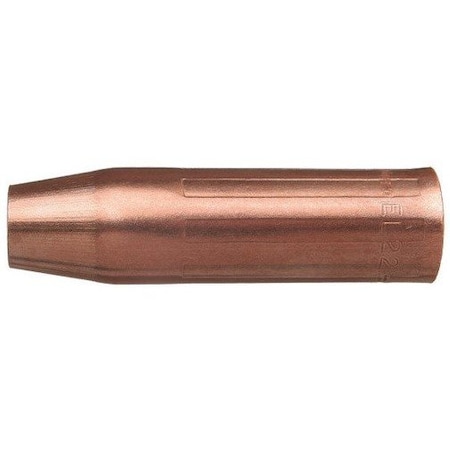
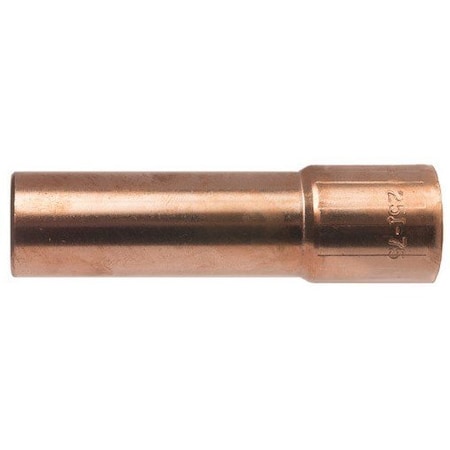
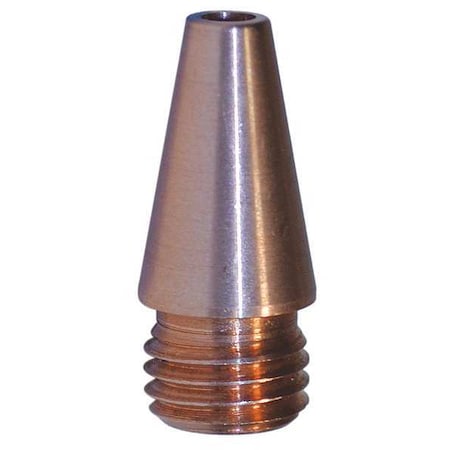
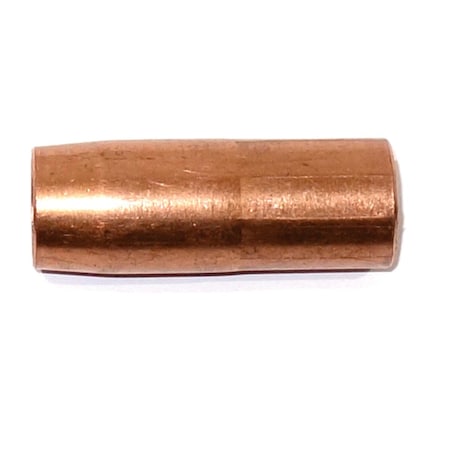
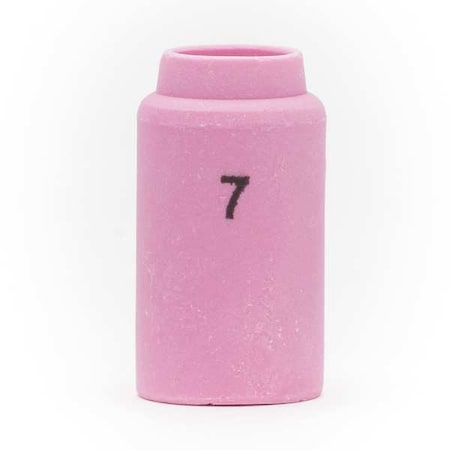
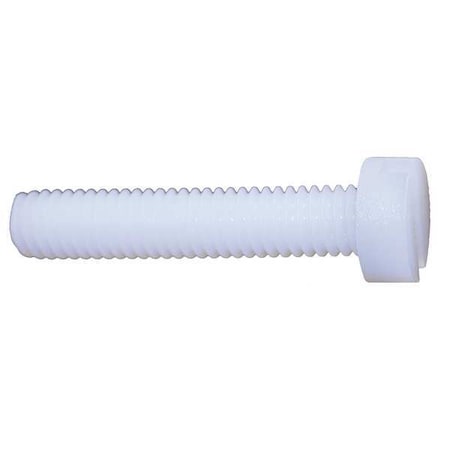
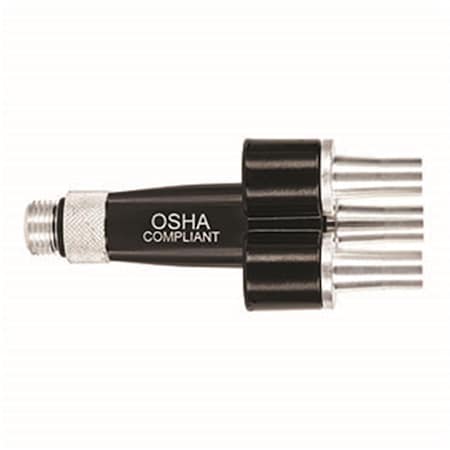
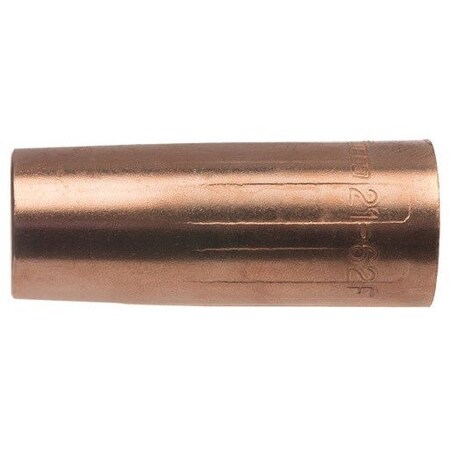
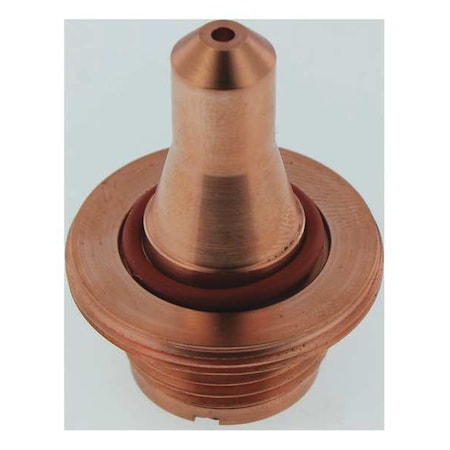
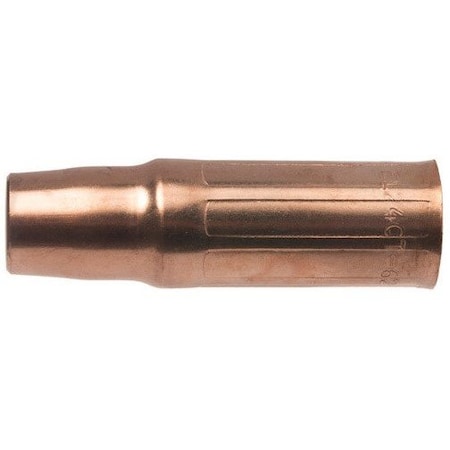
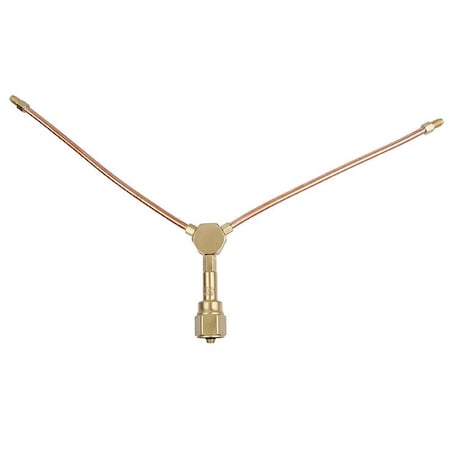
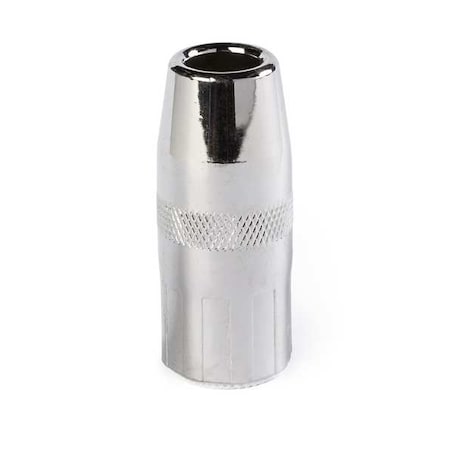
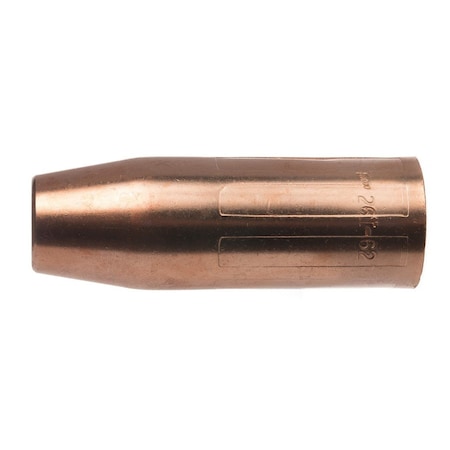
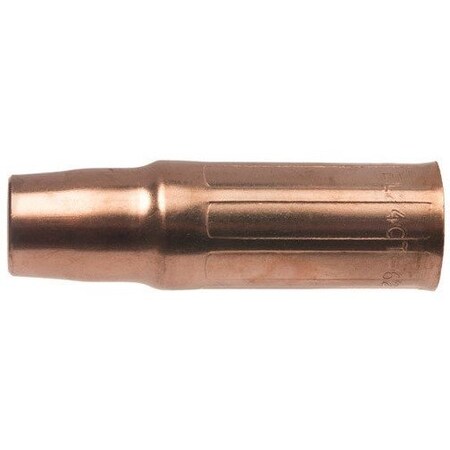
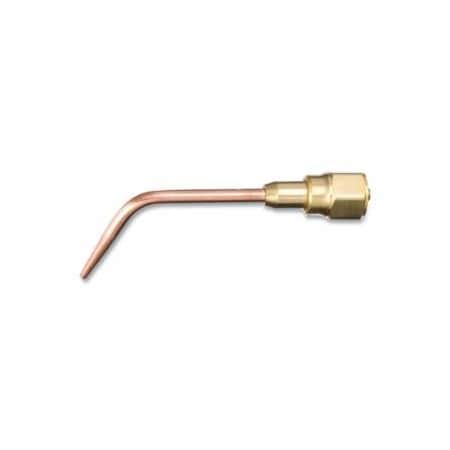
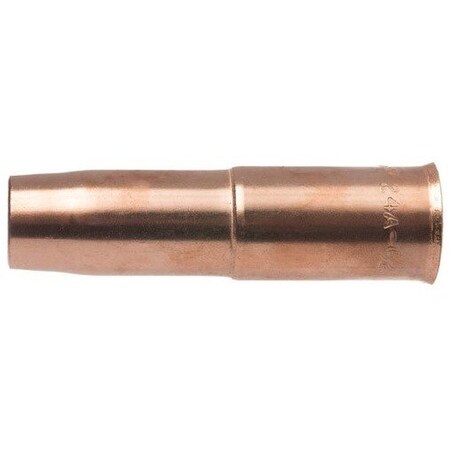
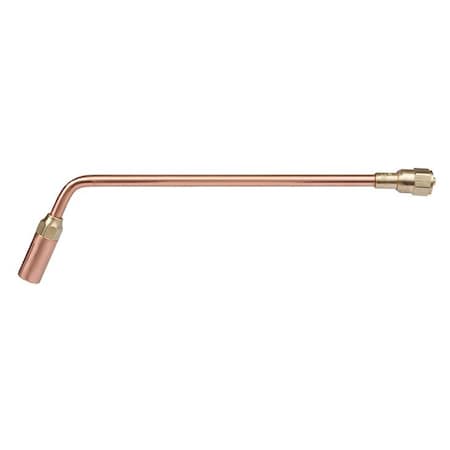
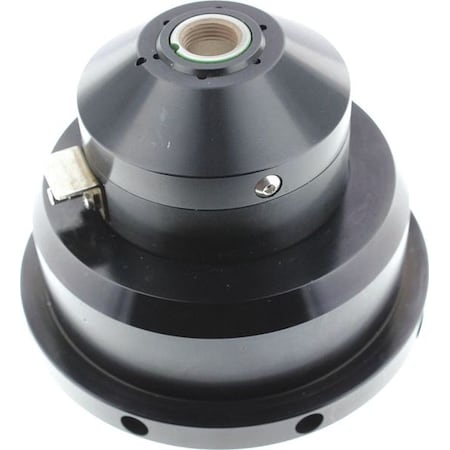
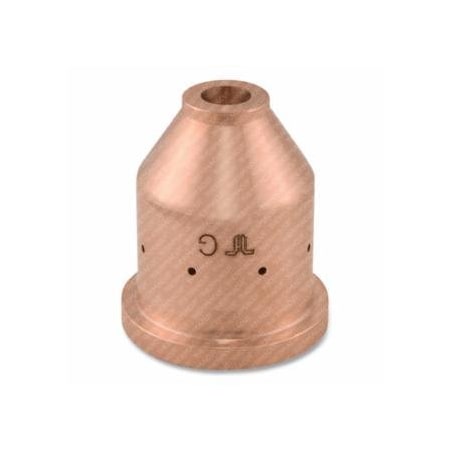
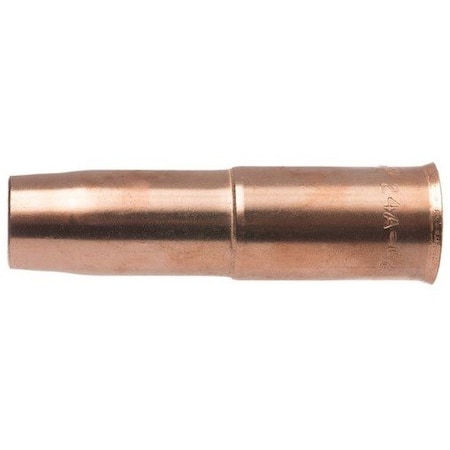
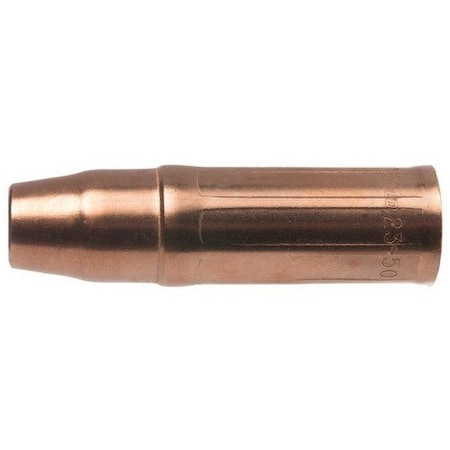
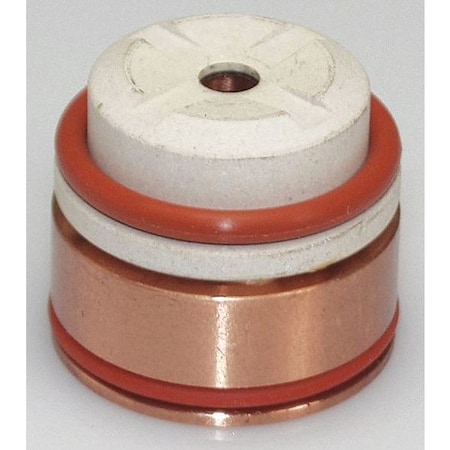
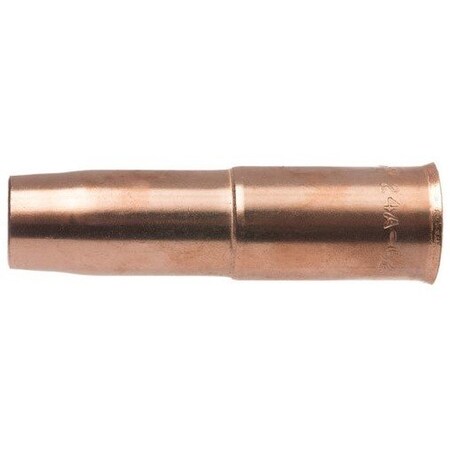
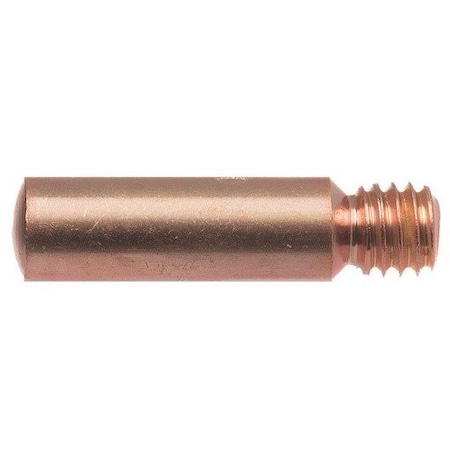
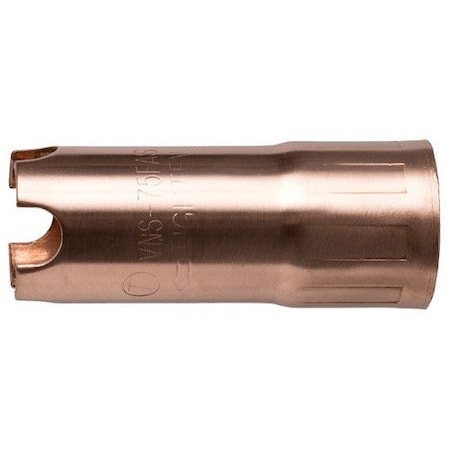
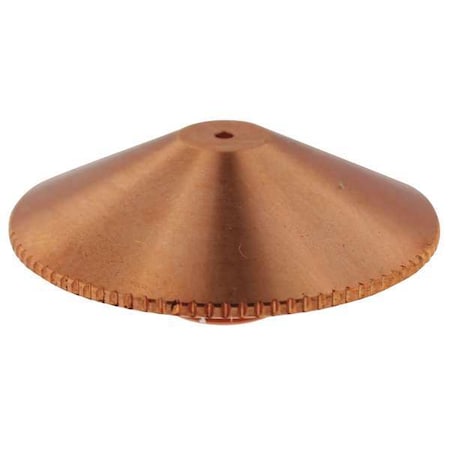
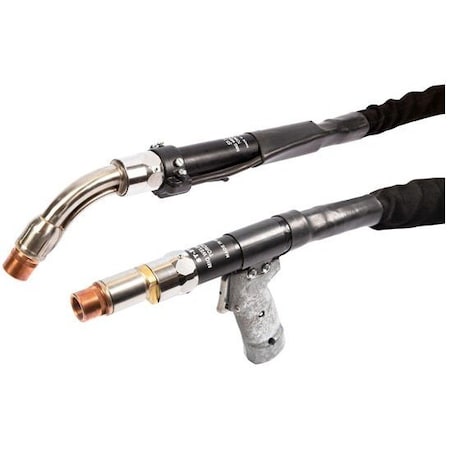
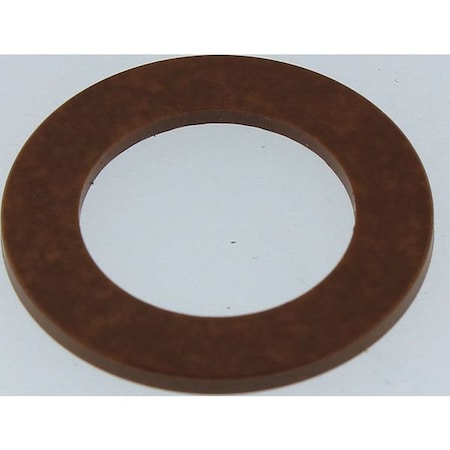
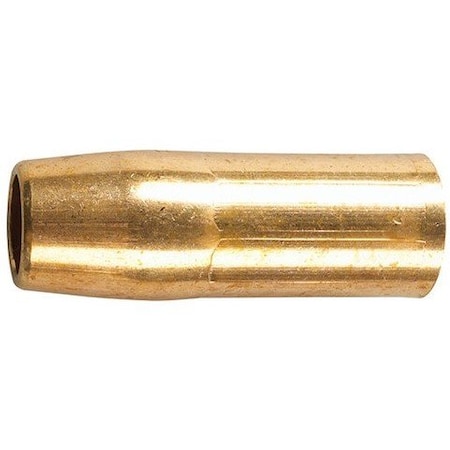
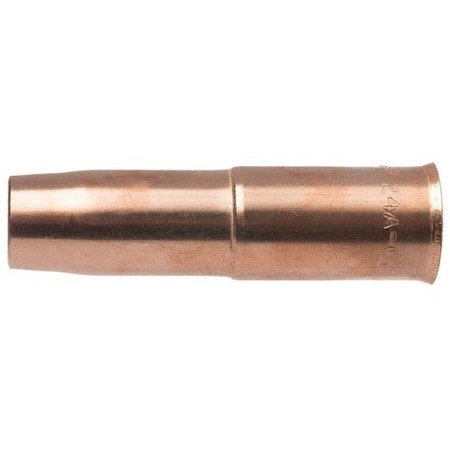
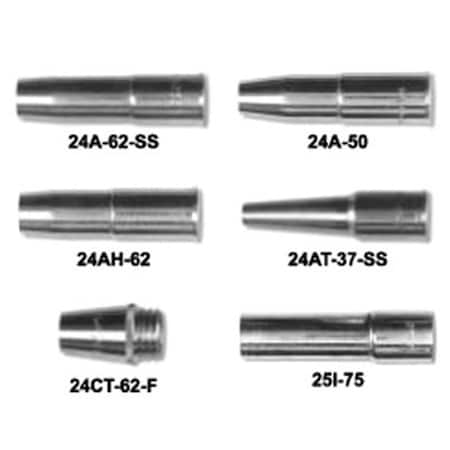
The right welding nozzle provides good access to the joint or welding target, while allowing for proper gas flow to the weld puddle to prevent contamination. As a rule of thumb, always use as large a nozzle as possible so long as it enables easy access to the weld joint. That way, you’re assured a good flow of shielding gas while reducing collection of spatter. Zoro stocks hundreds of welding tips, MIG welding nozzles and torch tips in copper, brass and other materials. Items may vary by application, dimensions, compatibilities, shape and other considerations. For more on welding, see our MIG Welding Wire, TIG torches, and welding accessories.
Frequently Asked Questions
The shape and size of a welding nozzle directly influence the characteristics of the weld pool and the resulting weld bead. Smaller nozzles concentrate the shielding gas flow, resulting in a narrower and deeper penetration, while larger nozzles provide a wider and shallower penetration.
The choice of nozzle material depends on the welding process and the specific requirements of the application. Common materials include copper, brass, and stainless steel, each offering unique properties such as heat resistance, durability, and corrosion resistance.
Nozzle wear is influenced by several factors, including the welding process, shielding gas composition, and the type of electrode used. Proper maintenance, such as regular cleaning and replacement, can help prolong nozzle life and ensure optimal welding performance.
The design of the welding nozzle plays a crucial role in controlling the flow of shielding gas, which is essential for protecting the weld pool from contamination. Different nozzle designs, such as slotted or converging nozzles, can alter the gas flow pattern and influence the quality of the resulting weld.