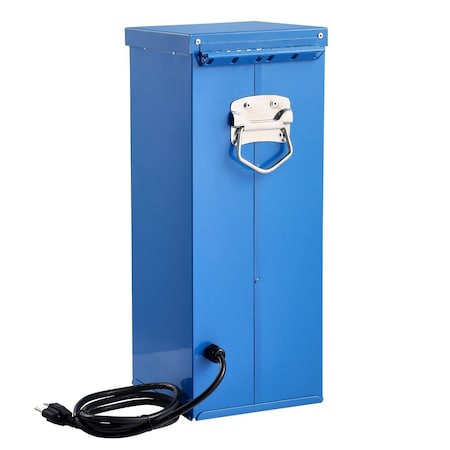
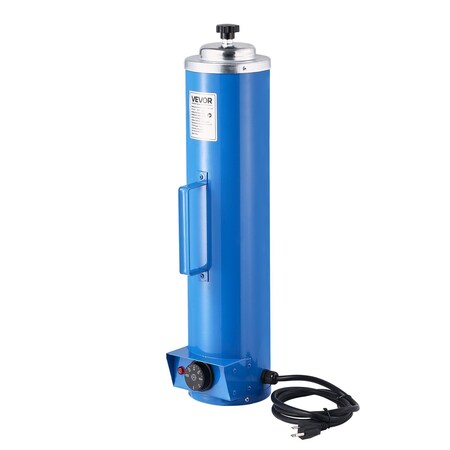
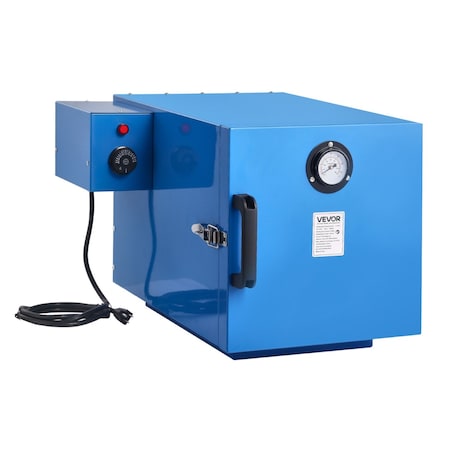
The purpose of a welding oven is to dry the metals in preparation for welding. The ovens preheat (and thereby pretreat) filler metals such as arc welding rods and sometimes the workpieces themselves, such as bearings, castings, plates, cylinder heads, aluminum, and so on, to dry them for welding. The removal of moisture through heating in this manner helps to preserve the integrity of the metals and rod coatings and prevents extra spattering, the development of cracks, and other irregularities. Items come in a variety of shapes and sizes, as well as choice of floor model or tabletop model. Items vary by shape, temperature range and other considerations.
Frequently Asked Questions
A welding oven is a controlled environment chamber that is designed to dry and preheat welding electrodes. The process of drying electrodes in an oven removes moisture from the flux coating, improving their welding characteristics and the quality of the welds they produce.
Electrodes can absorb moisture from the air, which can lead to defects in the welds they produce. Using a welding oven to dry and preheat electrodes ensures that they are completely dry and free of contaminants, resulting in higher quality welds and increased productivity.
Consider factors such as temperature range, capacity, and the type of electrodes the oven can accommodate. Look for ovens with even temperature distribution, digital controls, and safety features such as over-temperature protection.
Determine the types and quantities of electrodes you will be using, and then select an oven with a sufficient capacity and temperature range. Consider the size and portability of the oven, as well as any additional features that may enhance your welding operations.