Replacing window screens enhances airflow and ventilation, improves natural lighting, increases energy efficiency by reducing heat gain or loss, and enhances the overall aesthetic appeal of your home.
To measure for a replacement screen, determine the exact dimensions of the window frame's opening. Measure the width at the top, middle, and bottom of the opening, and measure the height on both sides. Use the smallest width and the longest height as your measurement for the screen.
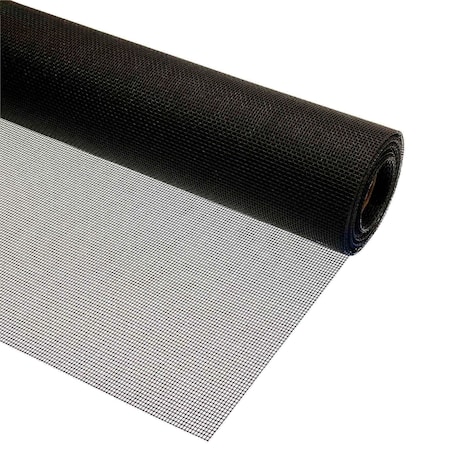
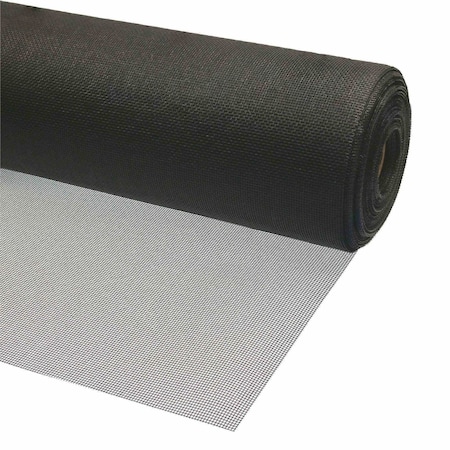
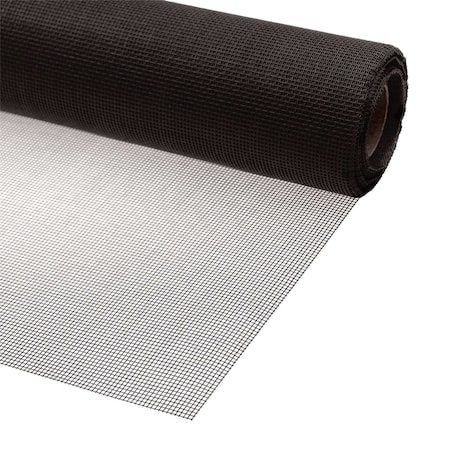
Window replacement screens are commonly constructed from durable materials such as aluminum, fiberglass, or vinyl. Each material offers unique advantages, including strength, corrosion resistance, and varying degrees of transparency.
The replacement frequency for window screens depends on several factors, including exposure to weather elements, wear and tear, and frequency of cleaning. Generally, it's recommended to inspect your screens annually and replace them as needed to ensure optimal functionality and appearance.