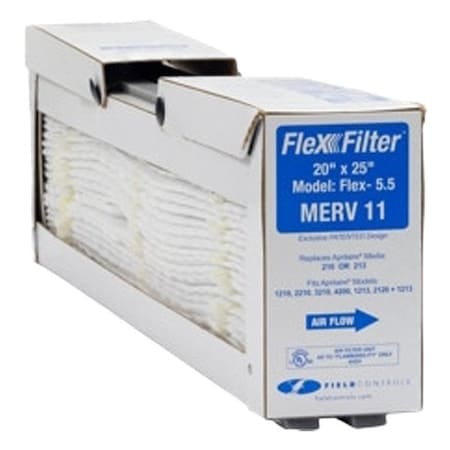
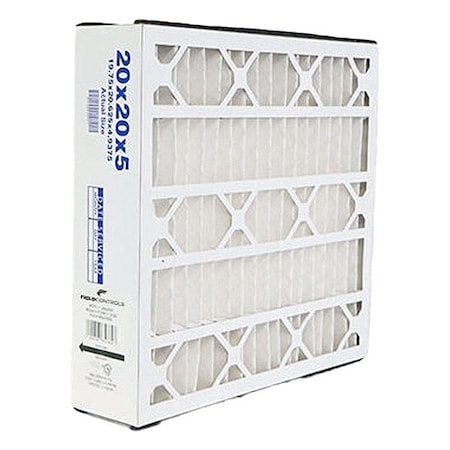
Air filters are used in HVAC system for homes, as well as every type of commercial buildings from hospitals to restaurants to schools and shopping centers. They clean the air and prevent dangerous particles and contaminants from circulating throughout the area. High Efficiency Particulate Air filters, or HEPA filters can trap 99.7% of particulates in the air by trapping them in the fibers of the filter so they never reach the air. Filters can be flat or pleated or in rolls, and come in a variety of sizes - be sure to check your unit for the proper size and model.
Frequently Asked Questions
There are various types of air cleaner filters available, including pleated filters, high-efficiency particulate air (HEPA) filters, electrostatic air filters, and ozone generators. Each type offers varying degrees of filtration efficiency and is suitable for different applications and specific needs.
The recommended replacement frequency for air cleaner filters depends on factors such as filter type, usage, and environment. Typically, it's advisable to replace pleated filters every 1-3 months, HEPA filters every 6-12 months, and electrostatic air filters every 12-24 months. Regular replacement ensures optimal filtration performance and indoor air quality.
Pleated filters are commonly used for general air filtration and have a folded design that increases the surface area for capturing particles. HEPA (High-Efficiency Particulate Air) filters meet specific standards of efficiency and can trap up to 99.97% of airborne particles with a size of 0.3 microns or larger, making them ideal for sensitive environments and individuals with allergies or respiratory conditions.
Electrostatic air filters utilize electrically charged plates to attract and trap airborne particles. As air passes through the filter, the particles receive an electrical charge and are then attracted to oppositely charged plates, resulting in highly efficient removal of dust, pollen, smoke, and other contaminants.