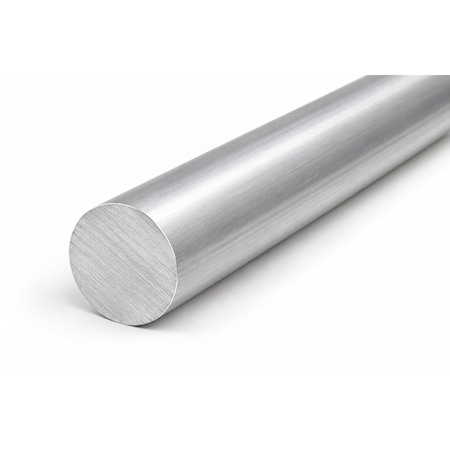
Aluminum rods, crafted through the extrusion of molten metal under high pressure, are versatile tools used across a range of industries and applications. These cylindrical pieces come in various sizes and grades to accommodate diverse job requirements. They may also feature special coatings or finishes for enhanced properties. From automotive production to aerospace engineering, these rods are integral to manufacturing processes. Furthermore, their adaptability extends beyond industrial use into creative pursuits such as jewelry making and model building, proving their value for both professionals and hobbyists alike.
Frequently Asked Questions
Aluminum rods find use in various applications due to their exceptional strength-to-weight ratio. They are commonly utilized in aerospace, automotive, construction, and marine industries, serving as structural components, electrical conductors, and heat exchangers, among other uses.
Aluminum rods offer several advantages, including their high strength-to-weight ratio, making them lightweight yet robust. They possess excellent corrosion resistance, ensuring longevity in various environments. Additionally, aluminum rods feature good electrical conductivity, contributing to their use in electrical applications.
Aluminum rods undergo a multi-step manufacturing process. Initially, aluminum ingots are alloyed to achieve specific properties. The molten aluminum is then cast into cylindrical shapes, solidifying and forming rods. Subsequently, these rods are cold-drawn or extruded to attain their desired dimensions and enhanced mechanical properties.
Aluminum rods come in various grades, each with unique properties tailored to specific applications. Common grades include 6061, known for its strength and workability, 5052, offering good corrosion resistance, and 7075, providing exceptional strength-to-weight ratio. The choice of grade depends on the intended use and performance requirements.