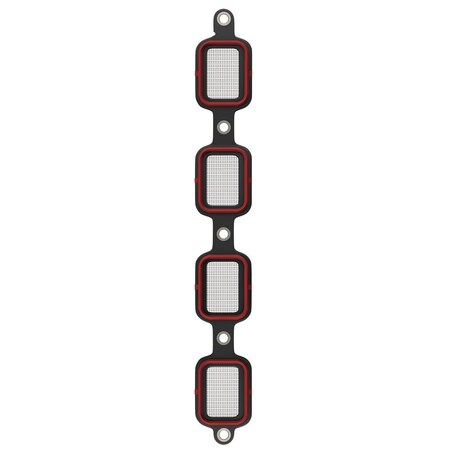
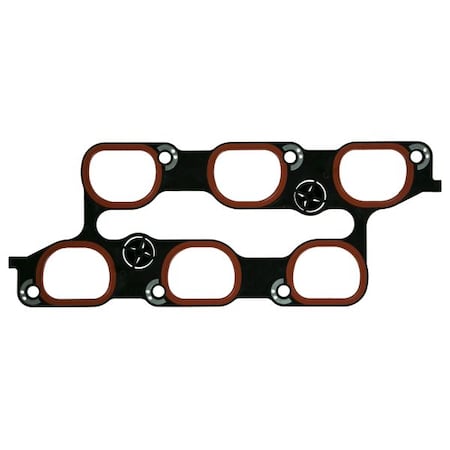
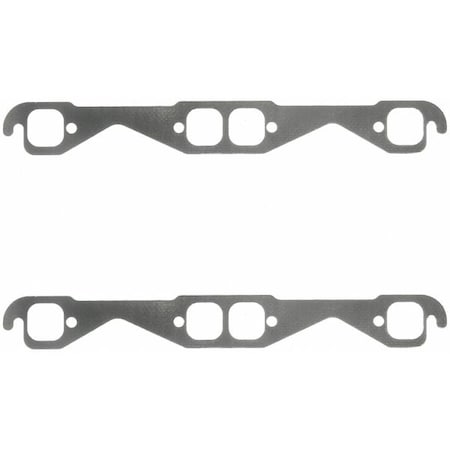
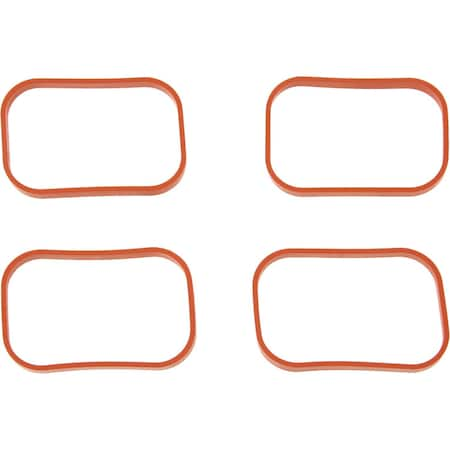
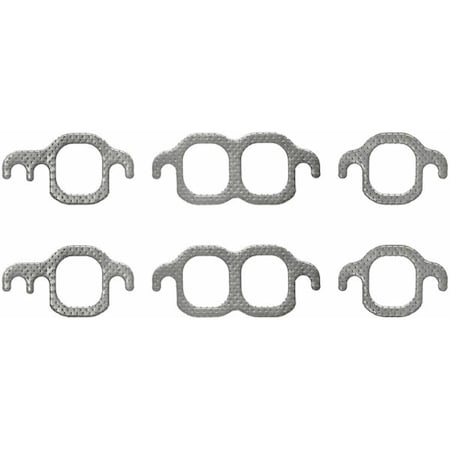
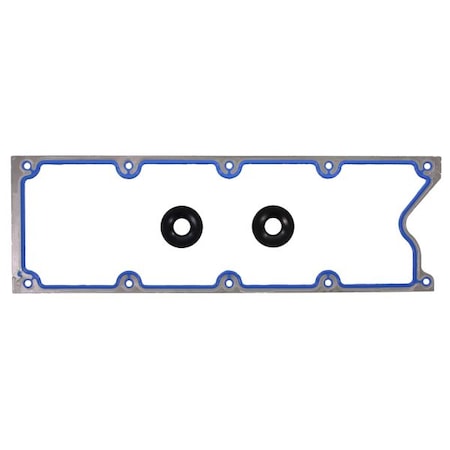
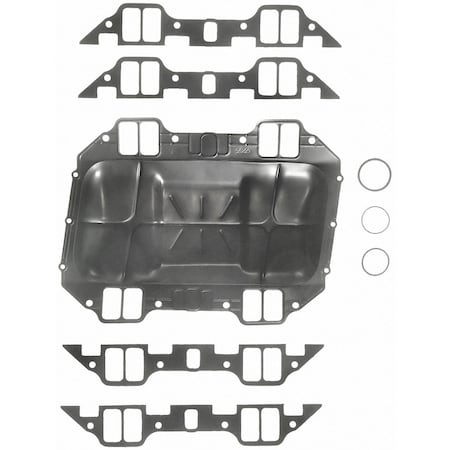
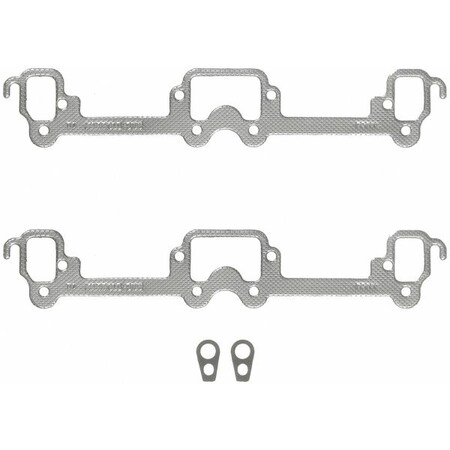
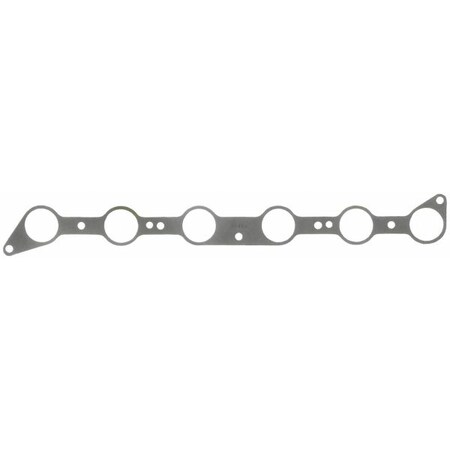
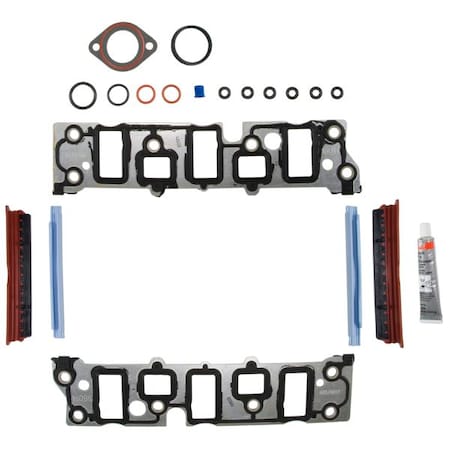
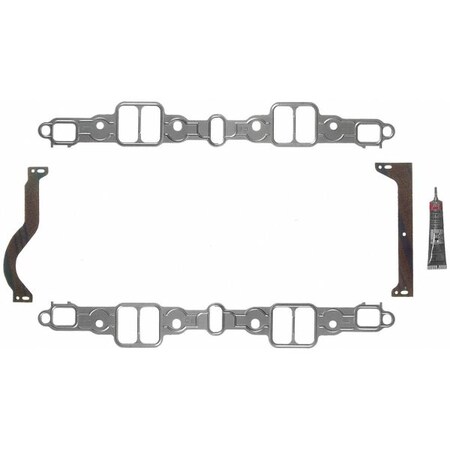
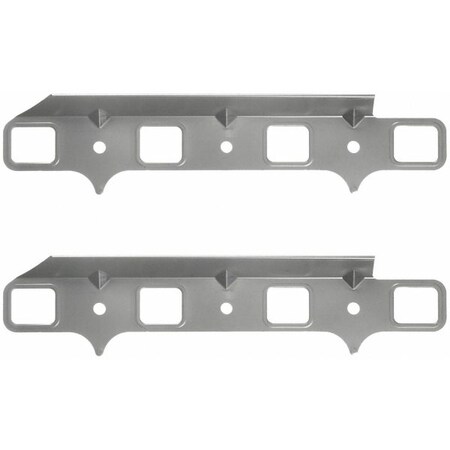
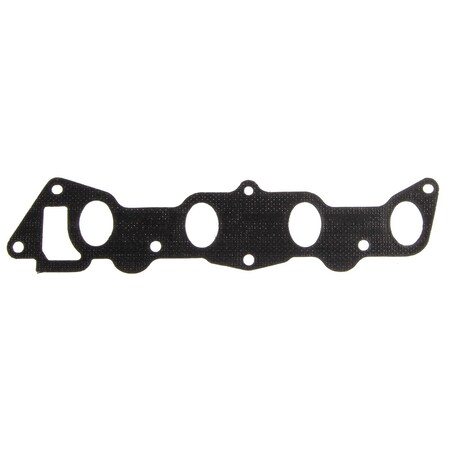
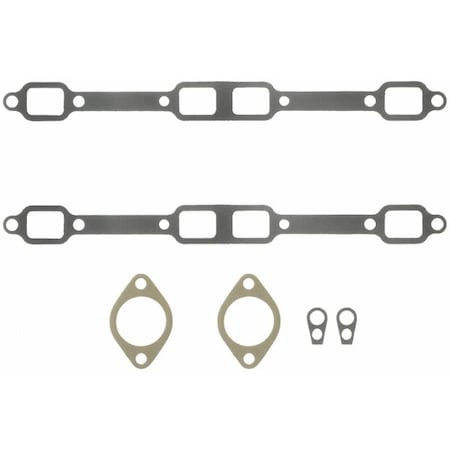
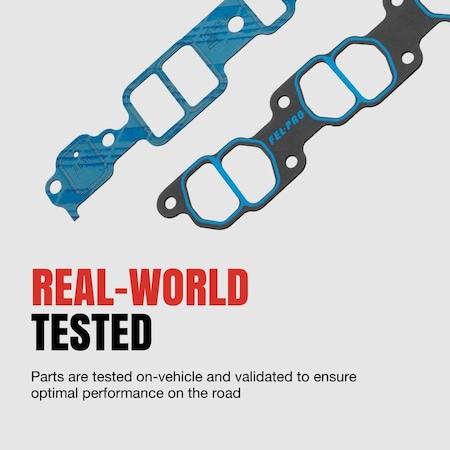
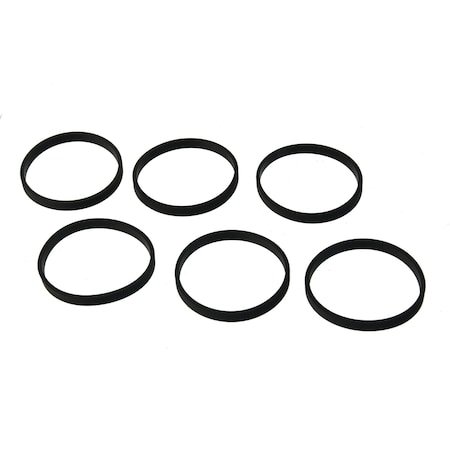
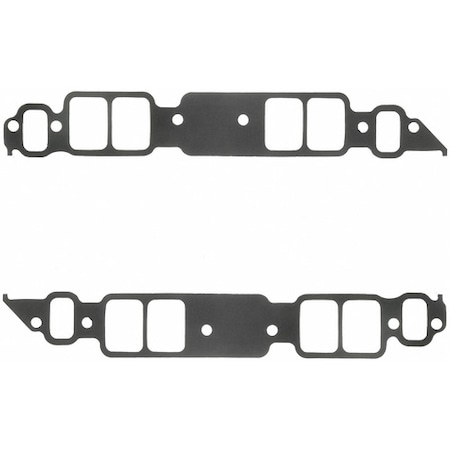
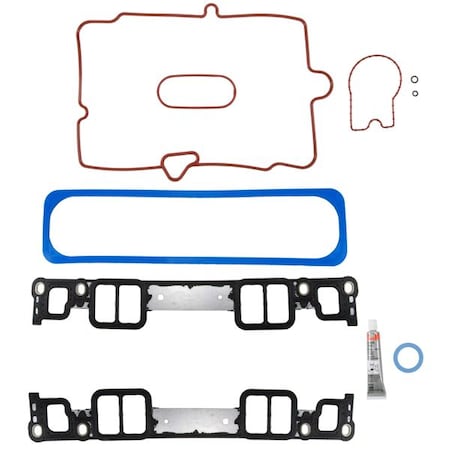
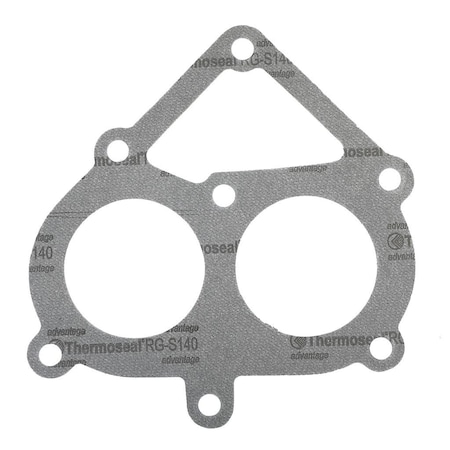
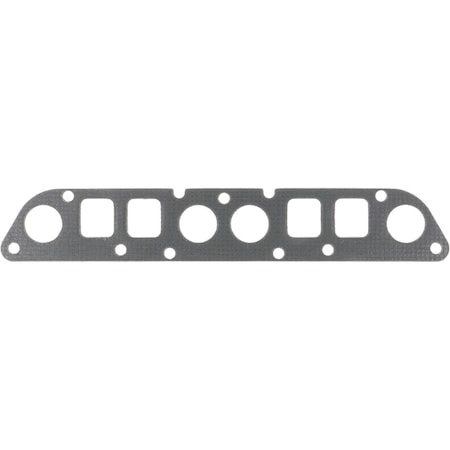
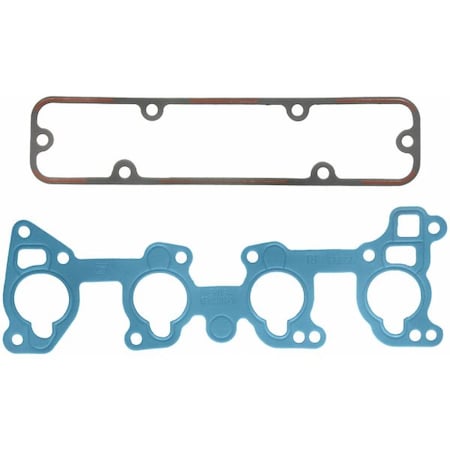
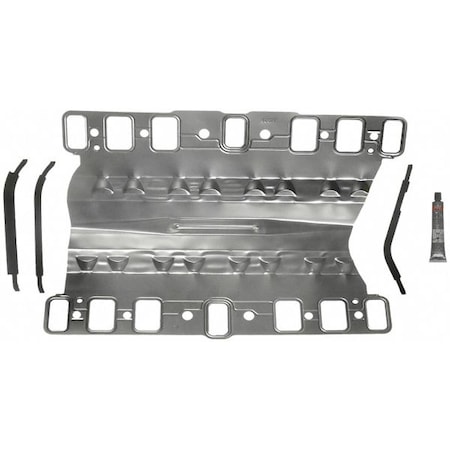
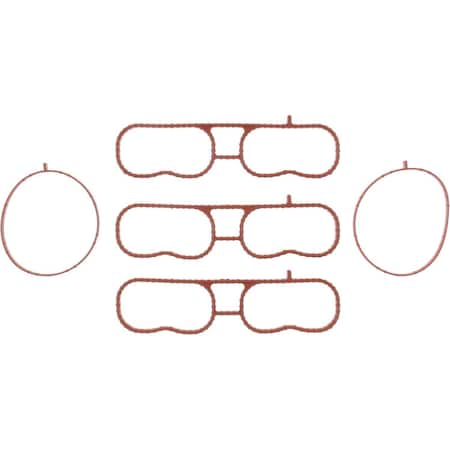
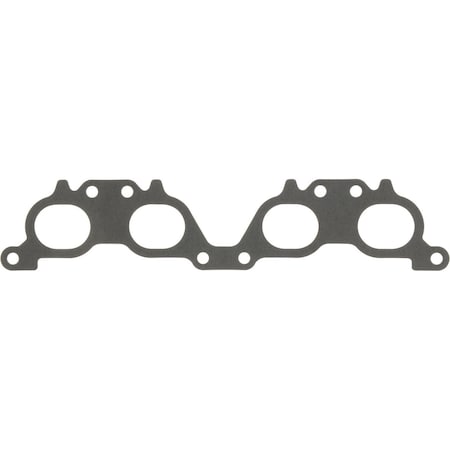
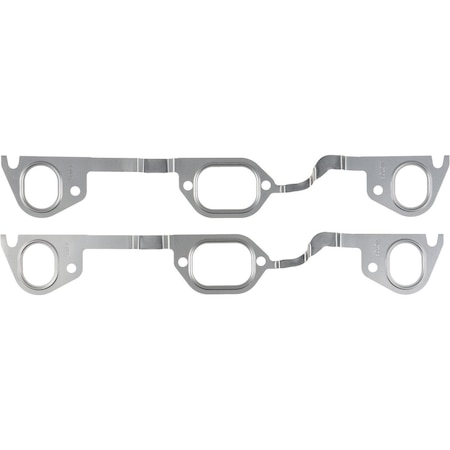
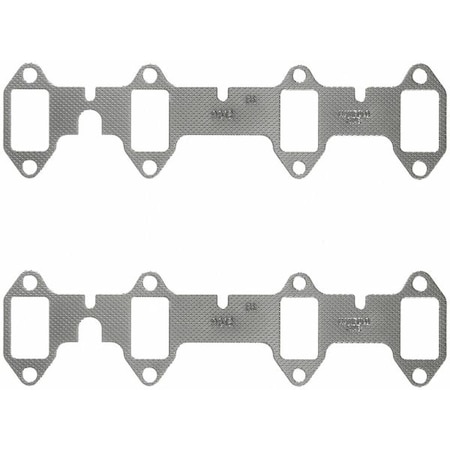
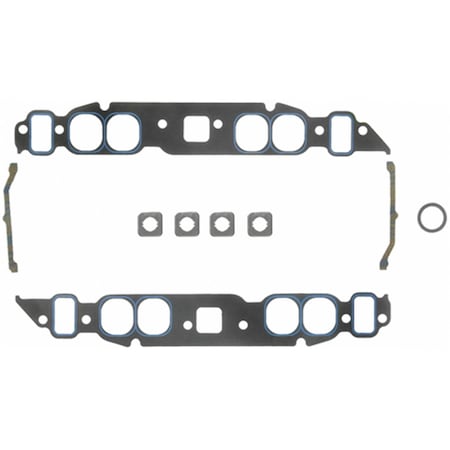
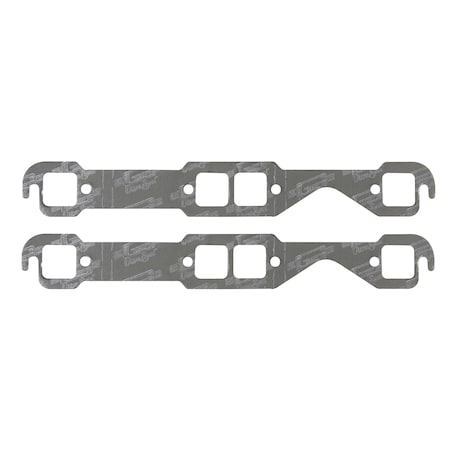
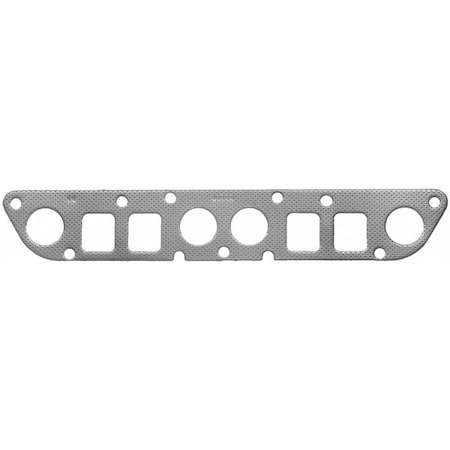
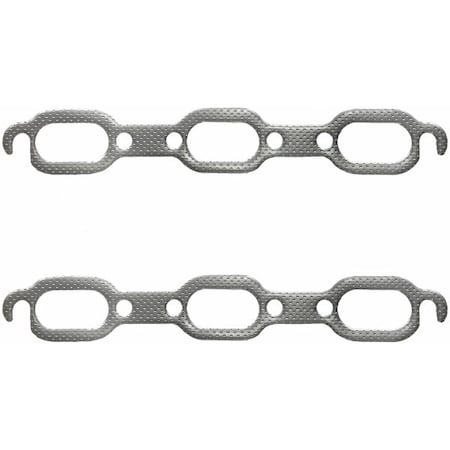
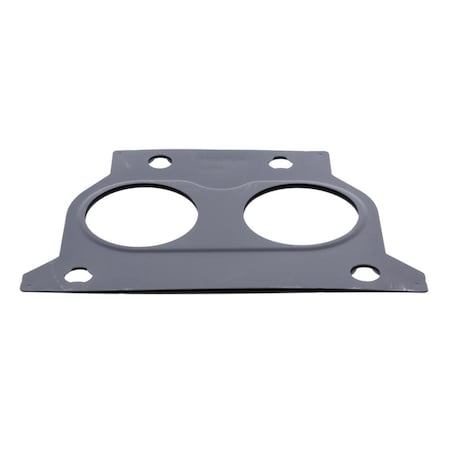
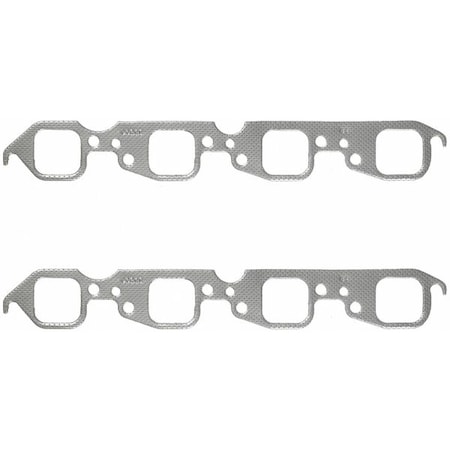
An automotive manifold gasket is a crucial component in internal combustion engines that seals the connection between the engine block and the intake or exhaust manifold. Its primary function is to prevent exhaust gases from leaking into the engine's cylinders and to maintain proper airflow for optimal engine performance.
Manifold gaskets come in various materials, including rubber, metal, and composite. Rubber gaskets provide flexibility and durability, while metal gaskets offer superior strength and heat resistance. Composite gaskets combine the benefits of both rubber and metal, providing a balance of flexibility and durability.
The replacement interval for automotive manifold gaskets can vary depending on the vehicle model, driving conditions, and gasket material. Generally, it is recommended to replace manifold gaskets as part of routine maintenance or when symptoms of gasket failure, such as exhaust leaks or reduced engine performance, occur.
Common signs of a failing automotive manifold gasket include exhaust leaks, which can be detected as a loud or hissing sound coming from the engine. Reduced engine performance, such as decreased power or fuel efficiency, can also indicate a compromised gasket. Additionally, check engine lights or trouble codes related to emission control systems may be triggered due to exhaust leaks caused by a failing gasket.