Signal traffic closures by placing barricade lights atop your traffic barricades
Frequently Asked Questions
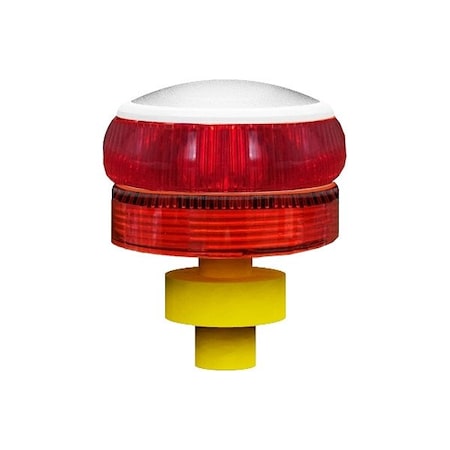
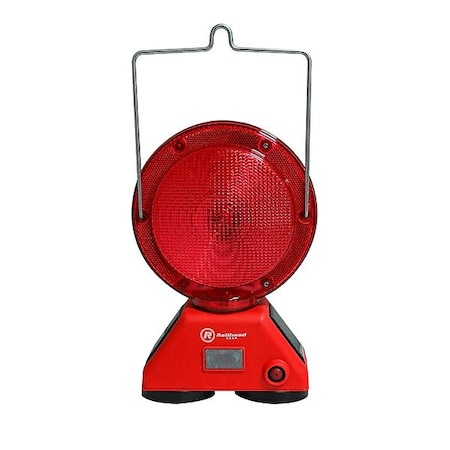
Barricade lights typically come in three main types: Type A, Type B, and Type C. Type A lights are designed for temporary traffic control and emit a steady or flashing yellow light. Type B lights are intended for use on barricades separating traffic lanes and produce a steady or flashing red light. Type C lights are similar to Type B lights but are solar-powered and offer increased energy efficiency.
When choosing barricade lights, it's important to consider factors such as the purpose of the lights, the level of visibility required, the desired light pattern, the power source, and the environmental conditions they will be used in. Additionally, it's essential to ensure that the lights meet industry standards and regulations for traffic control.
To maximize the effectiveness of barricade lights, proper installation and maintenance are crucial. This includes placing the lights at appropriate intervals, ensuring they are visible from all angles, and regularly replacing batteries or maintaining their power source. Additionally, selecting lights with the correct light pattern and brightness for the intended application is essential.
LED barricade lights offer numerous advantages over traditional incandescent lights. They are highly energy-efficient, consuming less power while providing the same or even better visibility. LED lights also have a longer lifespan, reducing the frequency of maintenance and replacement. Additionally, they are more resistant to shock and vibration, making them more durable in demanding environments.