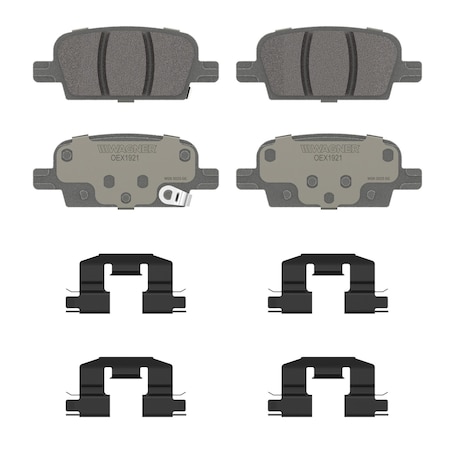
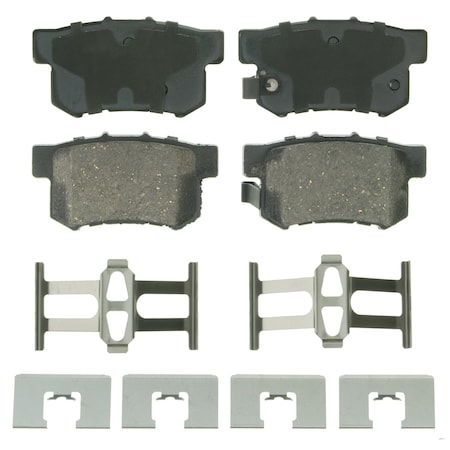
Brake pads are typically made of semi-metallic compounds, ceramic composites, or organic materials. Each type of material offers unique performance characteristics, such as friction, wear resistance, and noise reduction.
The frequency of brake pad replacement depends on various factors, including driving habits, vehicle type, and environmental conditions. However, as a general guideline, it's recommended to inspect brake pads regularly and replace them when their thickness reaches approximately 2-3 millimeters.
Indicators of worn brake pads can include squealing or grinding noises, reduced braking efficiency, vibration while braking, or a spongy brake pedal. It's crucial to pay attention to these signs and have your brake pads inspected promptly.
Brake pad replacement is a task that requires mechanical knowledge and specialized tools. While some individuals with automotive experience may attempt DIY brake pad changes, it's generally advisable to seek professional assistance from a qualified mechanic to ensure proper installation and safety.