
Chains, Ropes & Cables (7,000+ items) - Page 206
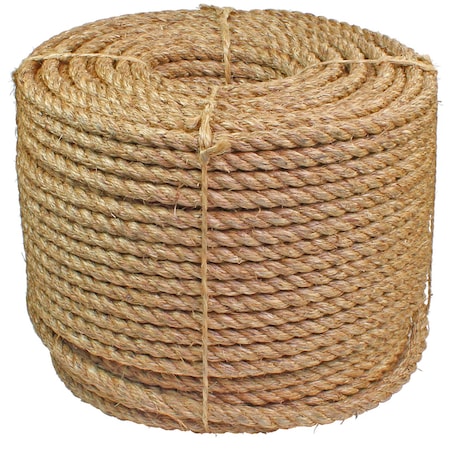
1/2 in. X 600' Manila Rope
Frequently Asked Questions
Yes, chains, ropes, and cables are all suitable for heavy lifting applications. They are sturdy and durable, providing a secure and reliable way to lift heavy objects. However, it's crucial to choose the appropriate type of chain, rope, or cable for the specific lifting task, considering factors like load weight, operating environment, and desired flexibility.
Grade refers to the material strength and quality of the chain. Grade 30 chains have a working load limit that is approximately 30% of the breaking strength, Grade 43 chains have a working load limit of about 43% of the breaking strength, and Grade 80 chains have a working load limit of around 80% of the breaking strength. Grade 80 chains are the strongest and most durable, while Grade 30 chains are the most flexible and lightweight.
For towing vehicles, a strong and durable synthetic rope is generally recommended over a natural fiber rope. Synthetic ropes like nylon or polyester are lightweight, stretchy, and have high tensile strength, making them well-suited for the sudden force and load changes encountered during towing. Natural fiber ropes, while eco-friendly, tend to be less stretchy and can be more susceptible to damage.
It's strongly discouraged to reuse chains, ropes, or cables that have been damaged or show signs of wear. Damage can compromise their structural integrity and significantly reduce their load-bearing capacity. Using damaged chains, ropes, or cables can pose a serious safety hazard, potentially leading to accidents or equipment failure. Always inspect your chains, ropes, and cables thoroughly before each use and discard any that are damaged.
Related Categories
