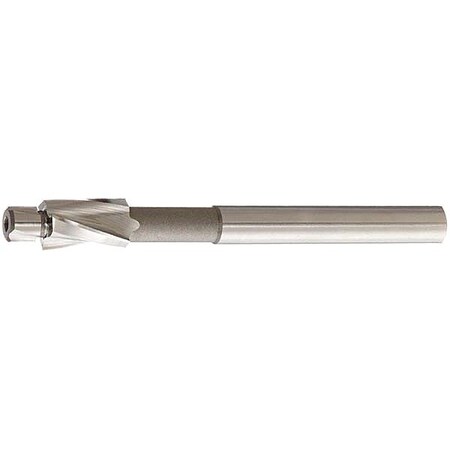
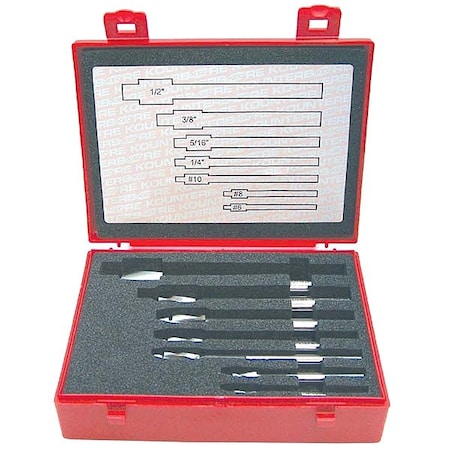
Counterbores are specialized tools utilized in creating enlarged, flat-bottomed holes in various materials, primarily metal. They're essential when a fastener's head needs to be level with or beneath the surface of the worked material. Available in an array of sizes and shapes, these tools can accommodate diverse types of fasteners and feature different tip configurations like straight flute or spiral flute based on their intended use. Counterboring speeds differ according to the material being processed. These durable tools are typically crafted from high-speed steel (HSS) or cobalt steel for enhanced cutting performance, sometimes coated with titanium nitride (TiN) for superior wear resistance and lubricity when dealing with tougher materials such as stainless steel or aluminum. Industries ranging from automotive manufacturing and aerospace engineering to medical device production widely employ counterbores for precise hole creation necessary for mounting screws and other fasteners.
Frequently Asked Questions
A counterbore is a cutting tool used to create a cylindrical recess in a workpiece, typically to accommodate the head of a screw or bolt. It is designed to produce a flat-bottomed hole with a larger diameter than the shank of the fastener.
Counterbores come in various types, including single-flute, multi-flute, and piloted counterbores. Single-flute counterbores are suitable for general-purpose applications, while multi-flute counterbores offer faster cutting speeds. Piloted counterbores feature a pilot that guides the tool, ensuring precise hole placement.
When selecting a counterbore, consider the size and type of fastener you are using, as well as the material of the workpiece. The diameter of the counterbore should match the head of the fastener, and the length should be sufficient to create the desired depth of recess. For harder materials, such as steel, carbide-tipped counterbores are recommended for increased durability.
Using a counterbore offers several advantages. It creates a clean and precise recess that ensures a secure fit for the fastener. It also prevents the fastener head from protruding above the surface of the workpiece, resulting in a flush and professional-looking finish. Additionally, counterboring can help reduce the risk of stripping or damaging the fastener during installation.