
Duct Fittings (1,000+ items) - Page 31


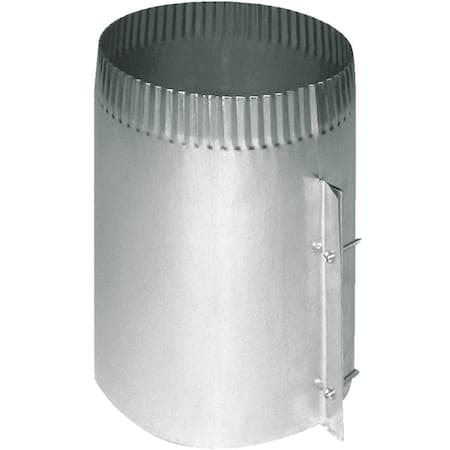
About Duct Fittings
Duct Fittings are an essential component of any ducting system, allowing for the connection of different sections of the ductwork. They come in a variety of shapes and sizes to fit different applications.
Types of Duct Fittings
Duct Fittings can be made from galvanized steel, aluminum, or stainless steel depending on their application. Some fittings are designed to create tight seals while others are intended to allow airflow in one direction only. Other fittings may be designed for special applications such as fire dampers or sound attenuators.
How Duct Fittings are Made
Duct Fittings can be manufactured using various materials and processes. Most commonly, they are formed from sheet metal that is cut and bent into shape using a variety of methods including laser cutting, punching, spinning, and rolling. Special coatings may also be applied for additional corrosion protection.
Industries that use Duct Fittings
Duct Fittings are used in a wide range of industries including HVAC systems installation and maintenance, plumbing, manufacturing facilities, automotive repair shops, food processing plants, construction sites and more. Professionals who work with these fittings need to understand the differences between each type so they can choose the right one for their application.
Find the Duct Fittings You Need at Zoro
Looking for a specific item? Use our robust search tool to find it by name or keyword, or use our handy filters to narrow down our full assortment. You can also check out our whole selection of duct fittings along with other tools or equipment to ensure you have all you need to tackle the job, especially if you're taking on a DIY project for the first time.
Plus, when you shop at Zoro, you'll always enjoy competitive prices on tons of great brands you know and trust. We make the shopping experience as fast and seamless as possible with free shipping on orders over $50 for registered users, Net 30 payment terms for qualifying customers, and an unparalleled customer service experience.
Frequently Asked Questions
Duct fittings are most commonly made using galvanized steel, aluminum, and PVC. Galvanized steel is best suited for moisture-rich environments and extreme temperatures and is typically used in industrial and commercial settings. Aluminum fittings are lightweight, corrosion-resistant, and commonly used in residential and commercial HVAC systems. PVC fittings are versatile, lightweight, and ideal for both indoor and outdoor applications, making them popular in residential settings.
Yes, there are many types of duct fittings, each designed for a specific purpose. Some of the most common types include elbows, which change the direction of airflow; reducers, which decrease the duct's diameter; tees, which combine or divide airflow; and dampers, which regulate airflow. Additionally, there are specialized fittings, such as access doors, which allow for inspection and maintenance, and transition fittings, which connect ducts of different shapes or materials.
Selecting the appropriate duct fitting depends on several factors, including the duct's size, shape, and material, as well as the specific application. For example, in areas where space is limited, compact fittings like 90-degree elbows may be necessary. For applications involving high airflow, fittings with a large radius, such as long-radius elbows, are better suited to minimize pressure drop and noise. It's advisable to consult with an HVAC professional or refer to the manufacturer's specifications to ensure you choose the optimal fittings for your project.
Duct fittings play a crucial role in HVAC systems, offering numerous advantages. They enable the efficient distribution of conditioned air throughout a building, reducing energy consumption and maximizing comfort levels. Fittings allow for changes in duct direction, accommodating obstacles and optimizing airflow. They also provide access points for maintenance and cleaning, ensuring the system's longevity. Additionally, fittings help reduce noise and vibration, creating a more comfortable indoor environment.
Related Categories
