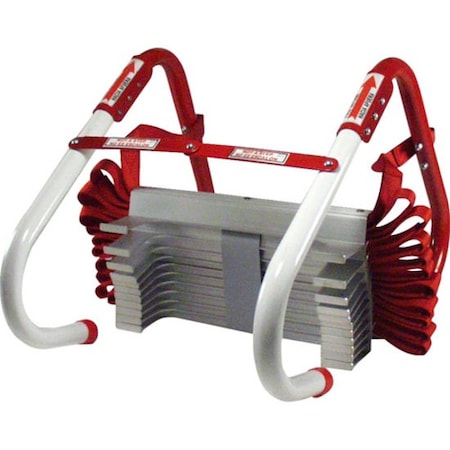
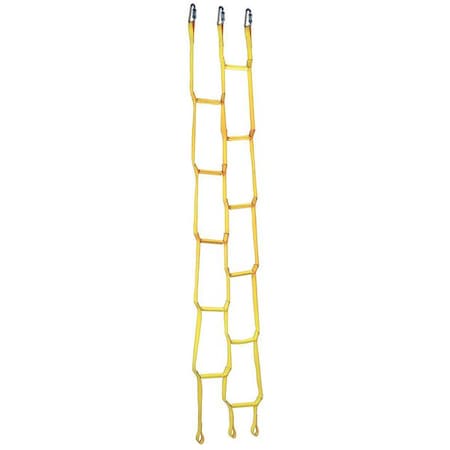
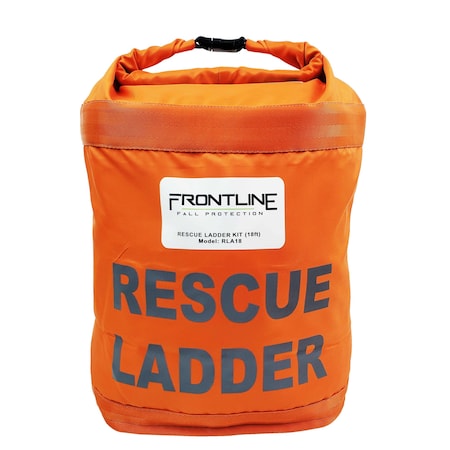
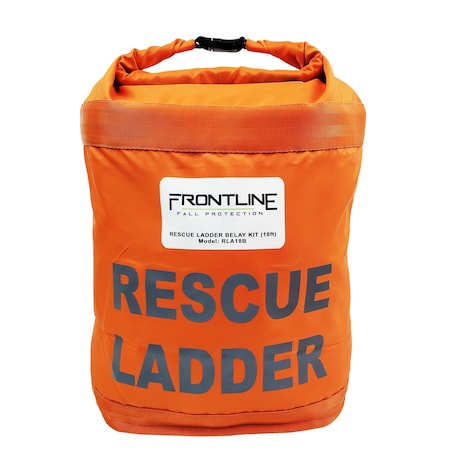
If you’re a building owner, facilities or property manager, landlord or homeowner, you know how important it is to provide accessible, safe escape routes and plans in case of fire or another emergency. Escape ladders are often the first part of a full escape and evacuation system, allowing people to exit windows or rooms from upper stories should a fire ignite. Choose the type of ladder that works best for your property: rigid ladders, fire and emergency escape ladders, rescue ladders and safety ladders are all readily available. The main attribute you’ll want to consider before shopping is the ladder height—make sure the ladder you choose is long enough for the number of stories in your building. In addition to escape ladders, complete your fire protection system with fire extinguishers, safety alarms and warnings.
Frequently Asked Questions
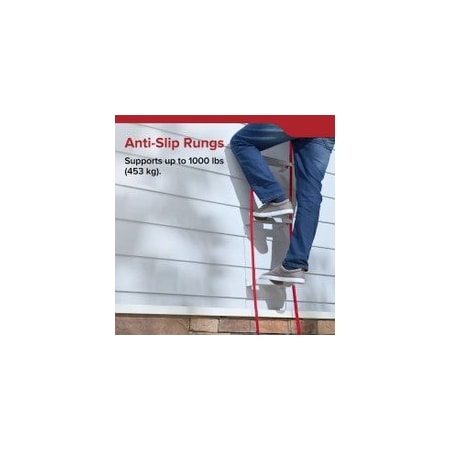
The maximum weight capacity varies depending on the specific product and material composition, ranging from 300 to 1,000 pounds or more. For accurate information, always refer to the individual product specifications.
Selecting the appropriate fire escape ladder depends on several factors such as the height of the building, window or opening dimensions, and the intended usage. For optimal safety and compliance, consult building codes and seek professional advice to determine the most suitable escape ladder for your specific needs.
For deployment, follow the manufacturer's instructions for safe and secure installation. Regular maintenance is crucial, including visual inspections for rust, corrosion, or damage, and periodic cleaning to ensure it remains in proper working condition. Ensure easy and unobstructed access to the ladder for quick escape during an emergency.
Prioritize safety by thoroughly reading and understanding the user manual. Always maintain three points of contact when climbing or descending, grip the rungs firmly, and avoid overloading the ladder. Keep the area around the ladder clear of obstacles and potential hazards for safe and efficient evacuation.