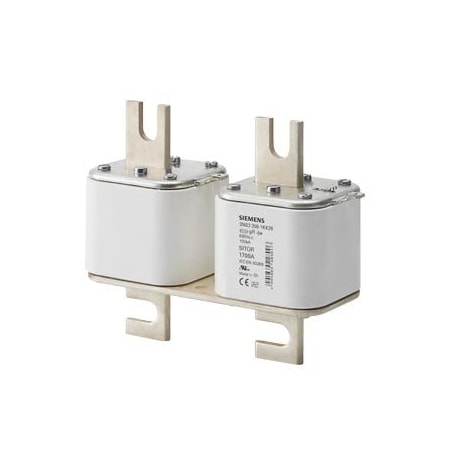
When it comes to electrical safety, fuse accessories are essential components that ensure the smooth operation and longevity of any electrical system. These vital parts play a pivotal role in protecting circuits from overload or short-circuit conditions, enhancing the performance and lifespan of your electronics.
The Variety Spectrum: Types of Fuse Accessories
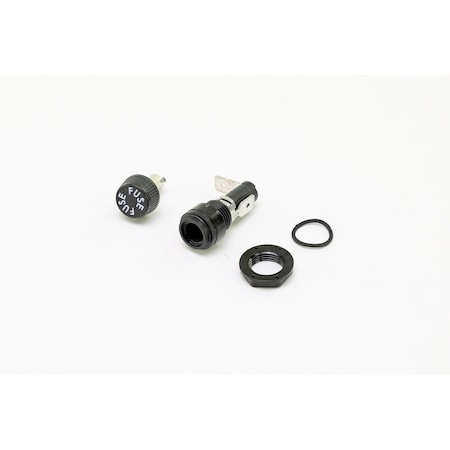
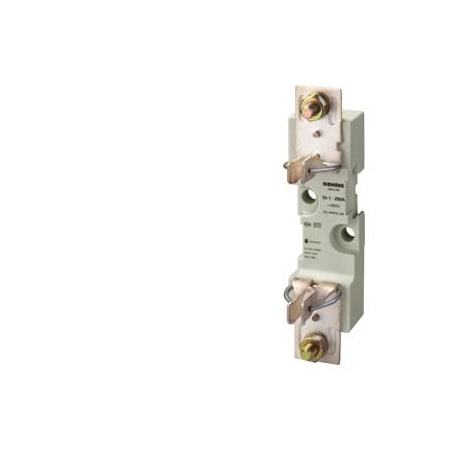
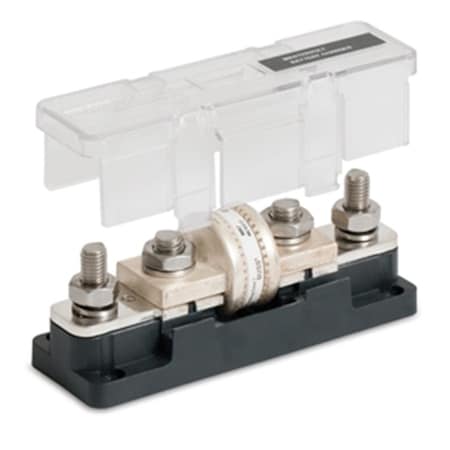
Fuse Holders: They securely house fuses and prevent contact with live circuitry, making fuse replacement easy.
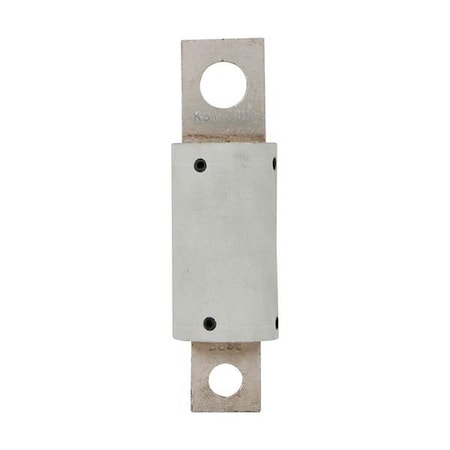
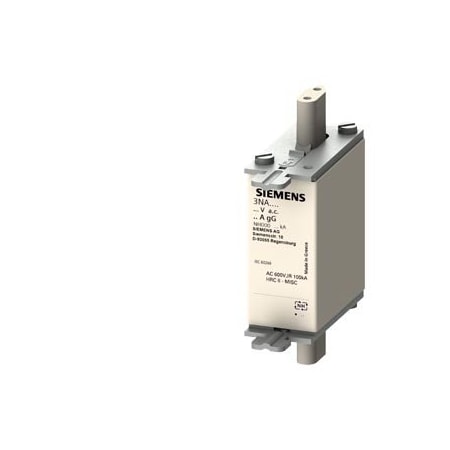
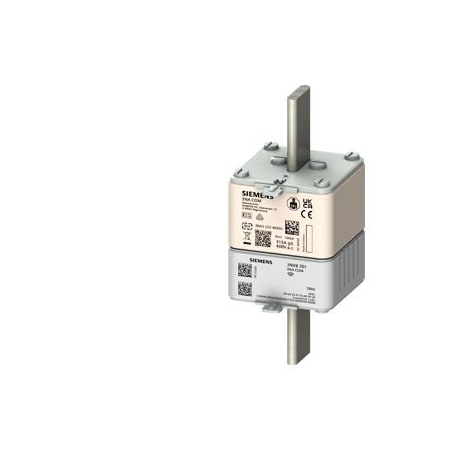
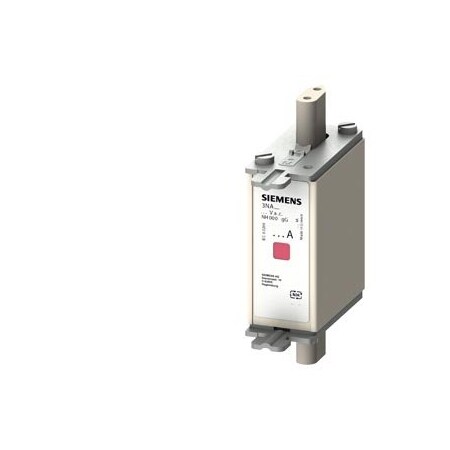
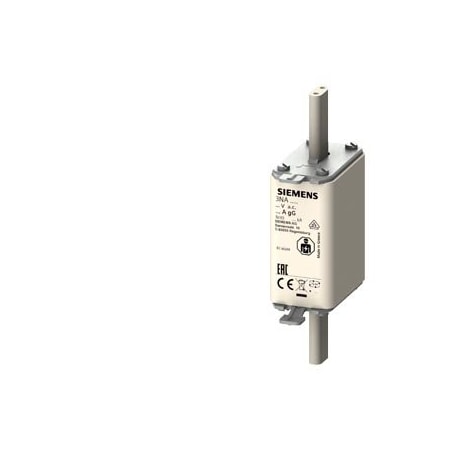
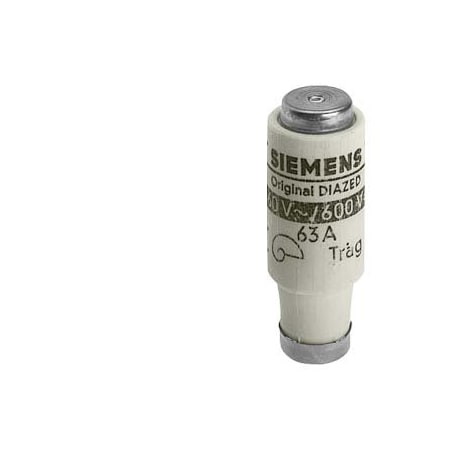
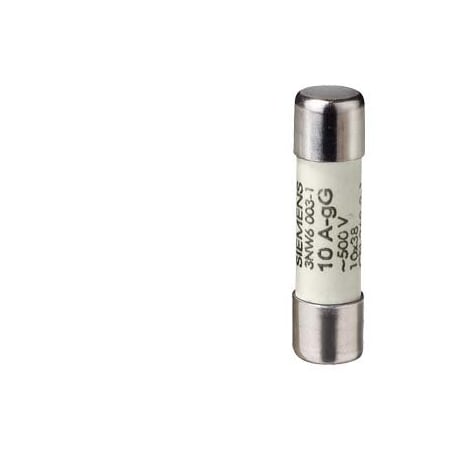
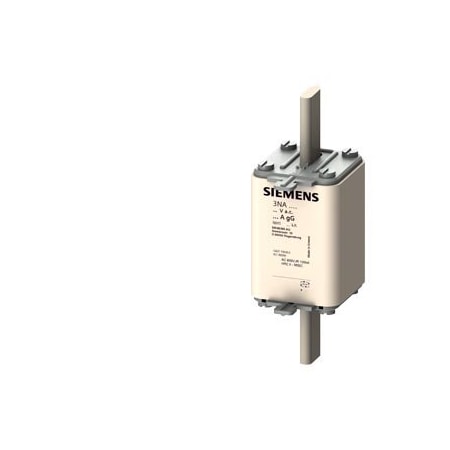
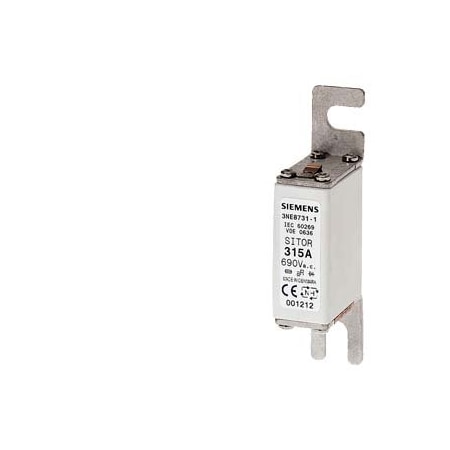
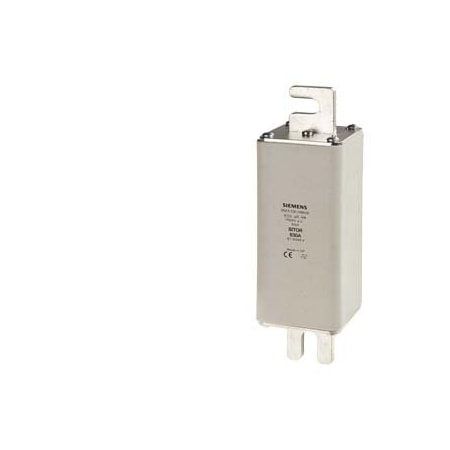
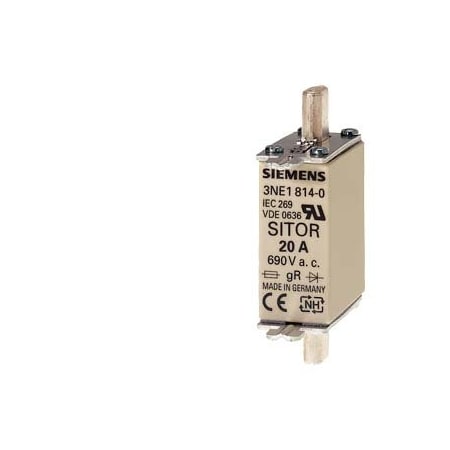
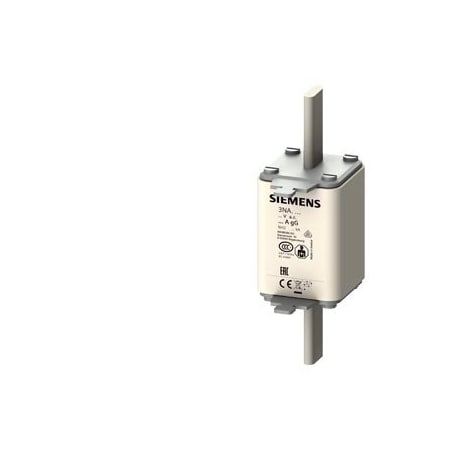
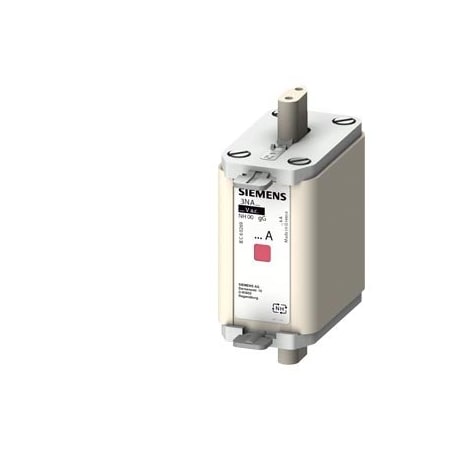
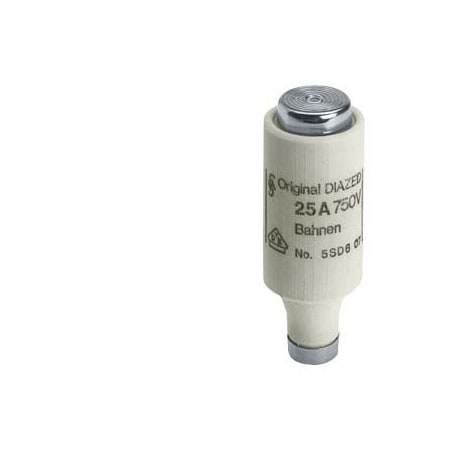
Fuse Links: These sacrificial components melt in overcurrent situations, breaking the circuit to prevent damage.
Fuse Blocks: Ideal for systems with multiple circuits, providing a consolidated platform for installing several fuses together, saving space and simplifying maintenance.
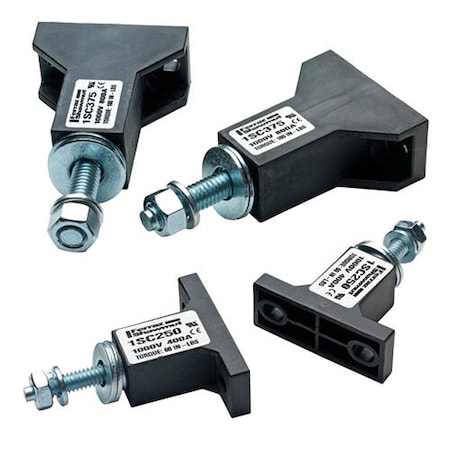
Fuse Clips & Accessory Fuse Box: These components ensure secure mounting and easy accessibility, making changing blown fuses a breeze.
Maintenance Tools
To complement these accessories are special tools designed for safe and efficient handling during installation or replacement procedures such as those used on how to fuse accessories in Bleach Brave Souls games. These include insulated pliers and testers which help avoid electric shock incidents while ensuring proper functionality post-installation.
The Making Of Fuse Accessories
Built from high-grade materials capable of withstanding intense heat and current levels, quality is paramount in fuse accessory production. The manufacturing process involves precision engineering and stringent quality control measures to ensure each product meets international safety standards.
Industry Applications of Fuse Accessories
Fuse accessories find extensive use across various industries. In the electrical and electronics industry, they safeguard delicate components from power surges. Automotive systems rely on them for protecting intricate vehicular electrical circuits. Industrial machinery utilizes these accessories to prevent catastrophic failures due to overloads or short-circuits. Even renewable energy setups like solar and wind installations count on fuse accessories for safe, efficient operation.
Frequently Asked Questions
Fuse blocks are available in a variety of sizes, ranging from small, compact blocks to larger, heavy-duty blocks. The specific size you need will depend on the amperage and voltage requirements of your application.
Fuse blocks are typically made from materials such as ceramic, plastic, or metal. Ceramic fuse blocks are known for their high resistance to heat and fire, while plastic fuse blocks are more versatile and lightweight. Metal fuse blocks are the most durable and can withstand harsh environments.
Fuse holders come in various types, including panel mount, DIN rail mount, and surface mount. Panel mount fuse holders are designed to be installed in electrical panels, while DIN rail mount fuse holders are ideal for industrial applications. Surface mount fuse holders are commonly used in electronic devices.
When selecting fuse blocks and holders, look for safety features such as finger guards, which protect against accidental contact with live terminals. Additionally, consider fuse blocks and holders with short-circuit protection to prevent damage in case of an electrical fault.