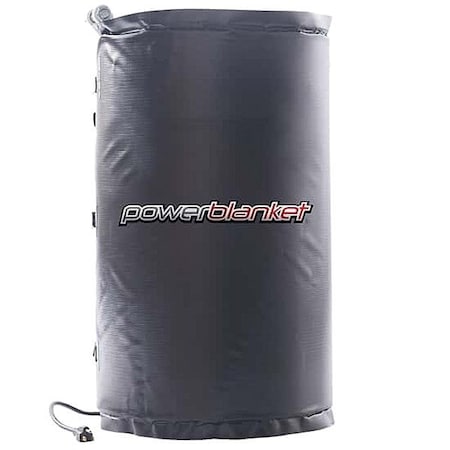
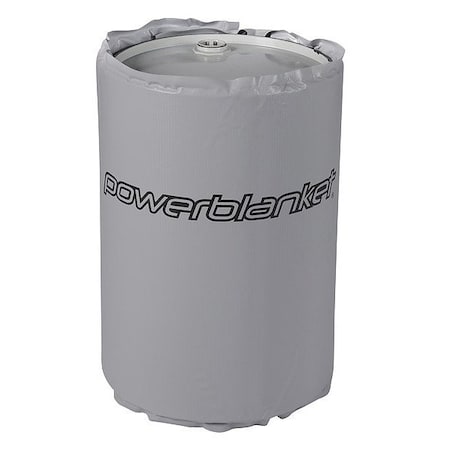
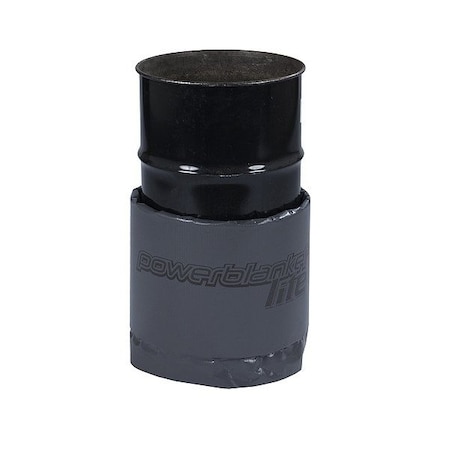
A heating element is a device that converts electrical energy into heat. It is typically made of a resistive material, such as nichrome or Kanthal, which has a high resistance to the flow of electricity. When an electric current passes through the resistor, it encounters resistance, which causes the resistor to heat up. Heating elements are used in a wide variety of applications, including space heaters, ovens, stoves, and hair dryers.
There are several different types of heating elements, each with its own unique advantages and disadvantages. Some of the most common types of heating elements include: - Resistive heating elements: These are the most common type of heating element, and they are made of a resistive material, such as nichrome or Kanthal. Resistive heating elements are typically versatile and easy to manufacture, but they can be less efficient than other types of heating elements. - Induction heating elements: These heating elements use electromagnetic induction to generate heat. Induction heating elements are very efficient, but they can be more expensive than other types of heating elements. - Radiant heating elements: These heating elements emit infrared radiation, which can be used to heat objects directly. Radiant heating elements are often used in space heaters and ovens.
When choosing a heating element, you need to consider several factors, including: - The wattage of the heating element: The wattage of a heating element determines how much heat it can produce. The higher the wattage, the more heat the heating element can produce. - The voltage of the heating element: The voltage of a heating element determines how much power it can draw. The higher the voltage, the more power the heating element can draw. - The size of the heating element: The size of a heating element determines how much space it will take up. The larger the heating element, the more space it will take up. - The shape of the heating element: The shape of a heating element determines how it can be used. Some heating elements are designed to be used in specific applications, while others can be used in a variety of applications.
Heating elements can be dangerous if they are not used properly. Here are some safety precautions you should take when using heating elements: - Never touch a heating element with bare hands. - Keep heating elements away from flammable materials. - Do not use heating elements in wet or humid environments. - Unplug heating elements when not in use. - Allow heating elements to cool down before storing them.