
Fluke Leads
Results for "Fluke Leads" (254 items)
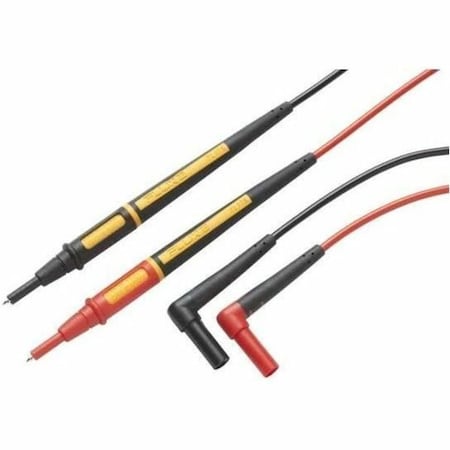
Test Leads, CAT II 1000V, CAT III 1000V, CAT IV 600V, 4 ft. 8 in. Length, Silicone, Black/Red, PR
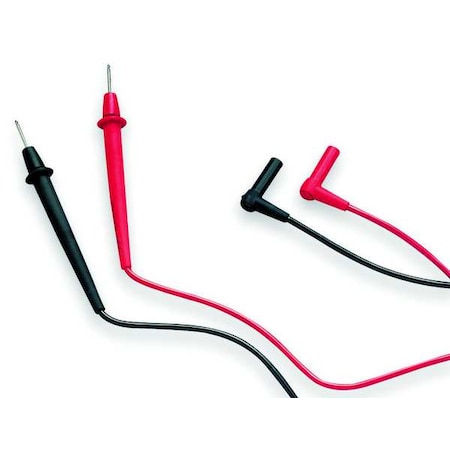
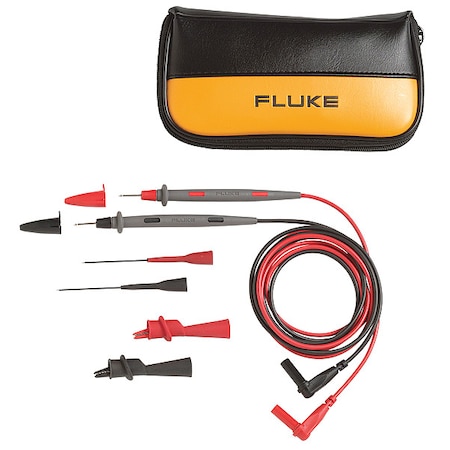
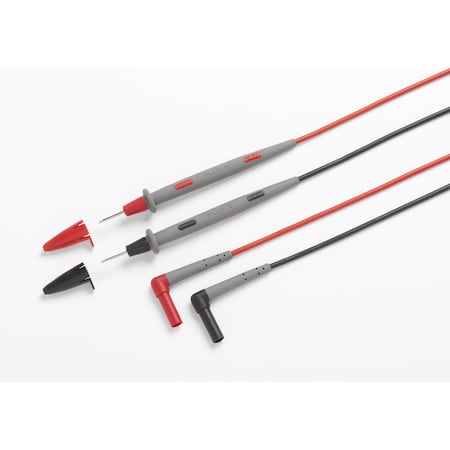
Test Leads, 4 ft. Length, Silicone, Cat III 1000V, CAT IV 600V, Max Current 10 AMPS, Black/Red, PR
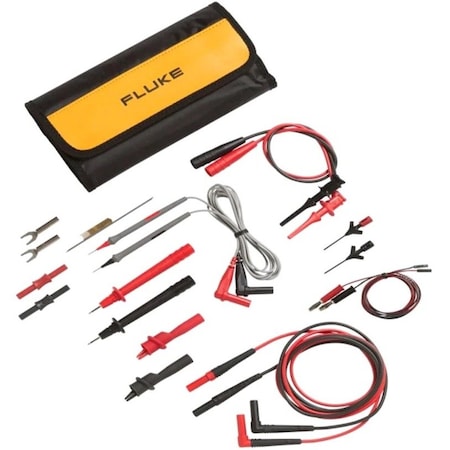
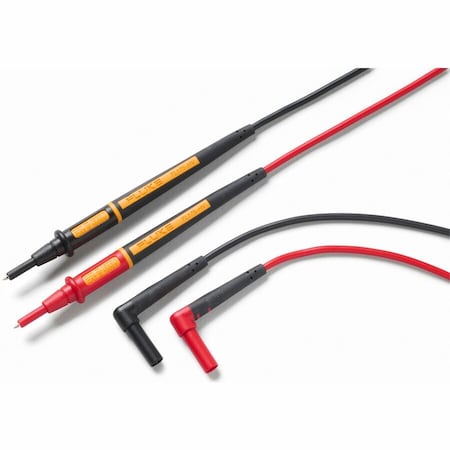

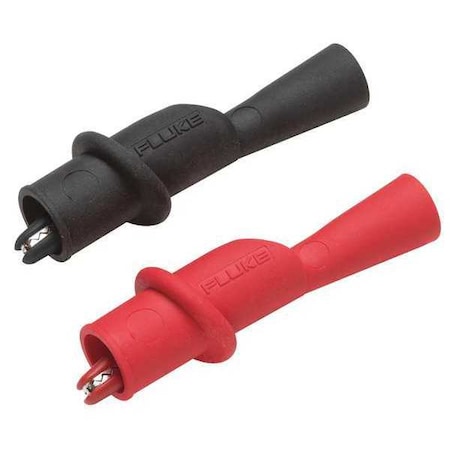
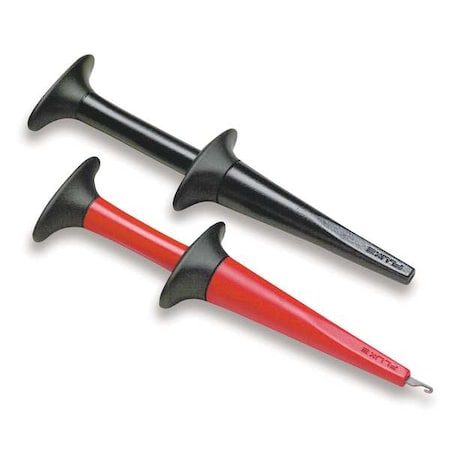
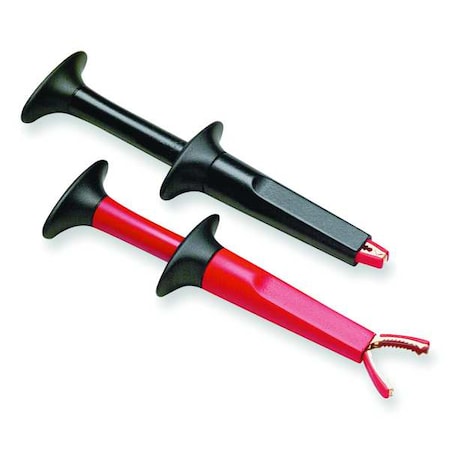
Threaded Alligator Clip, CAT III 1000V, CAT IV 600V, Insulated Jaws and Rubber Boot, Black, Red
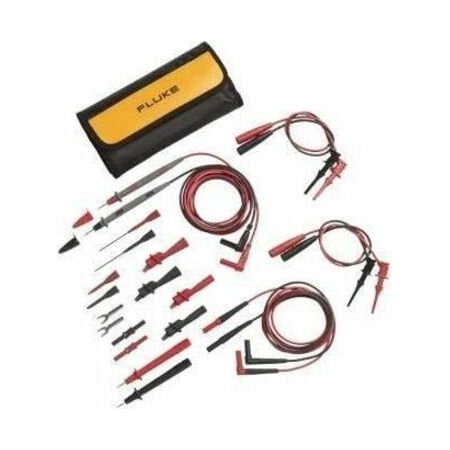
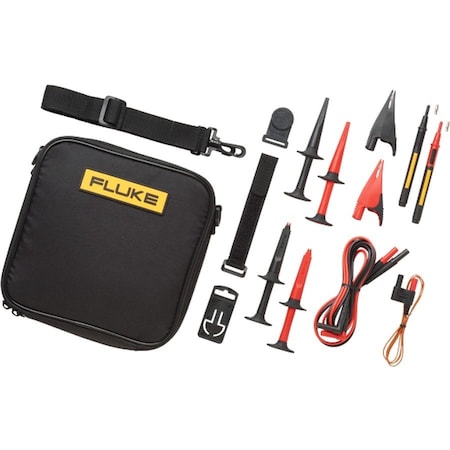
EUR Industrial Master Test Lead Set and Case, CAT III 1000V, CAT IV 600V, 4 ft. 11", Black, Red
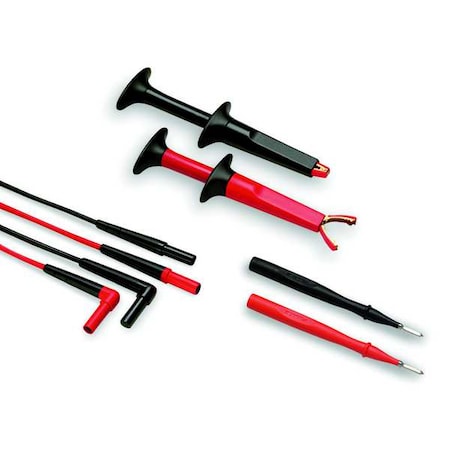
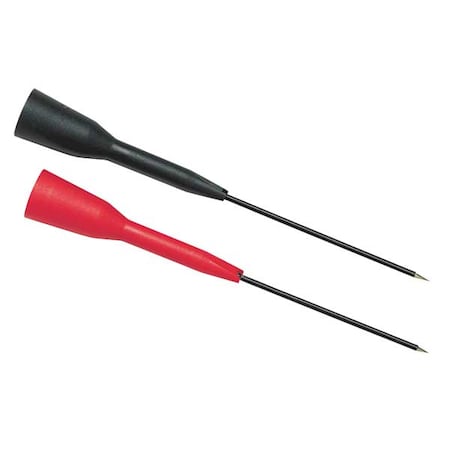
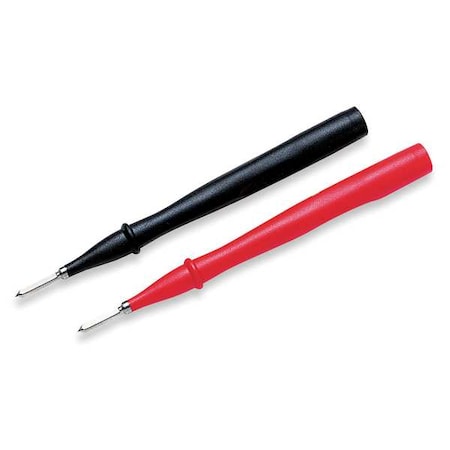
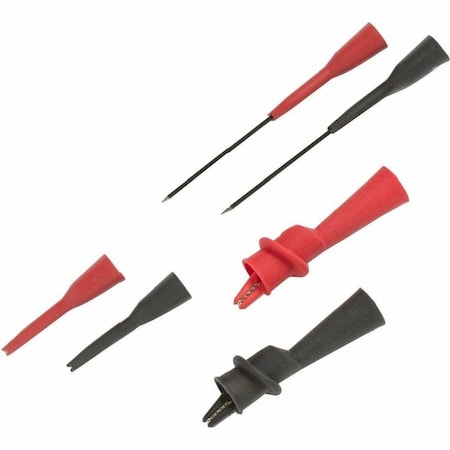
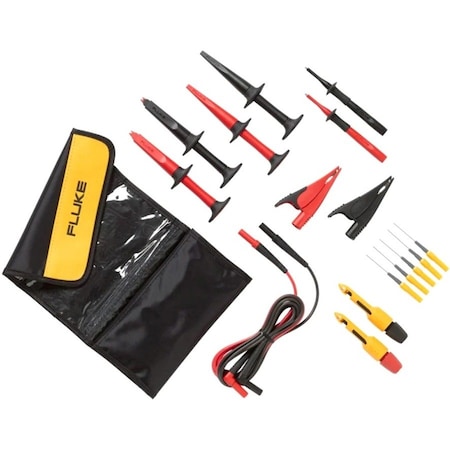
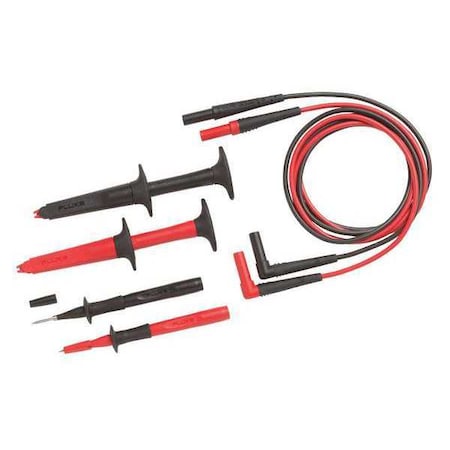
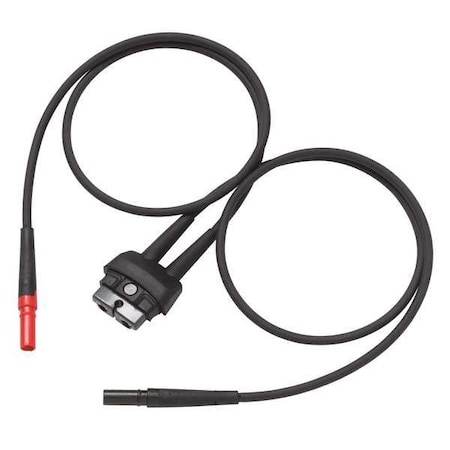
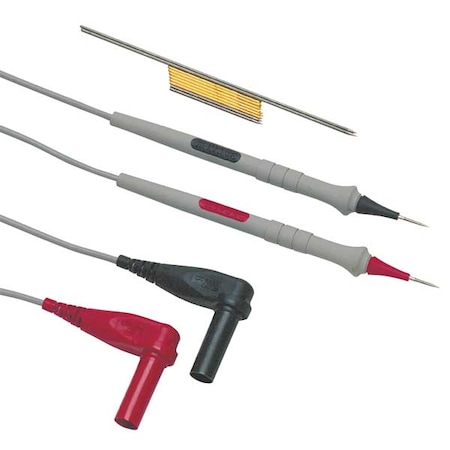
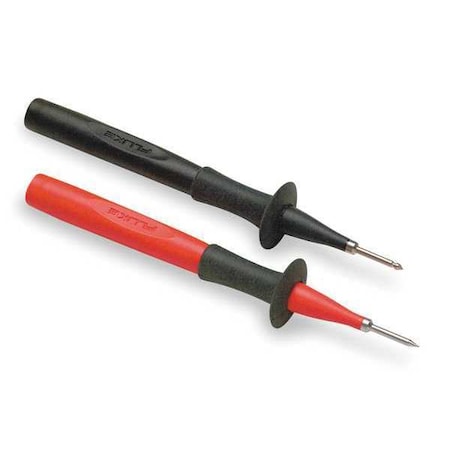
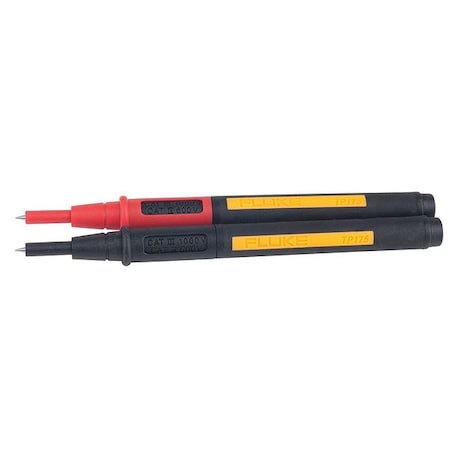
Electronic Test Probe with Replacement Tips, CAT III 1000V, CAT IV 600V, 3 ft. 3", Silicone, Gray
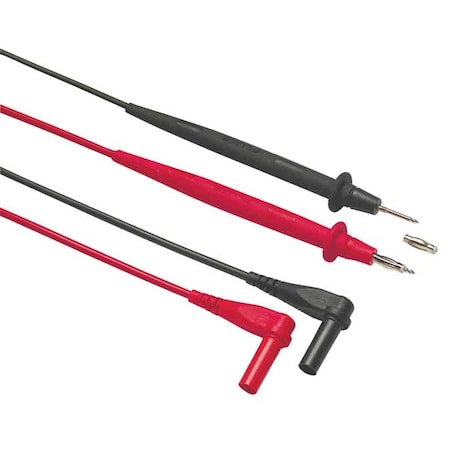
2mm/4mm Test Lead Set, CAT III 1000V, CAT IV 600V, 4mm Banana Plug, 5 ft., Silicone, Black, Red
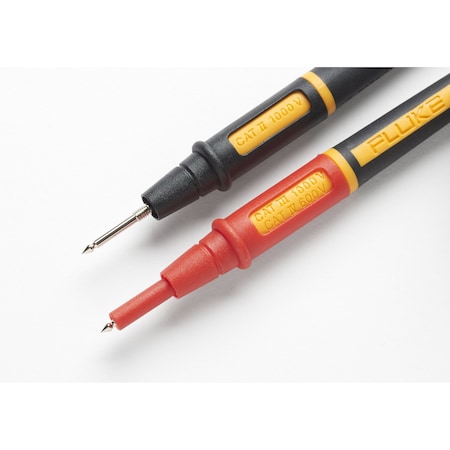
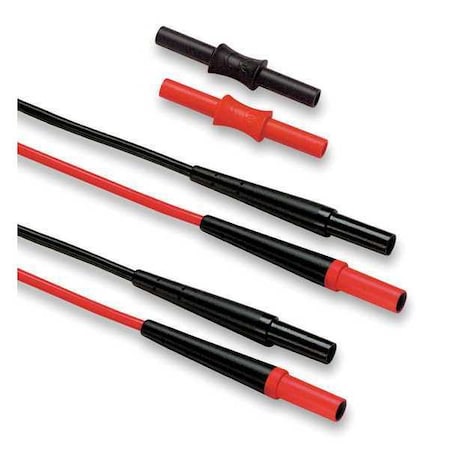
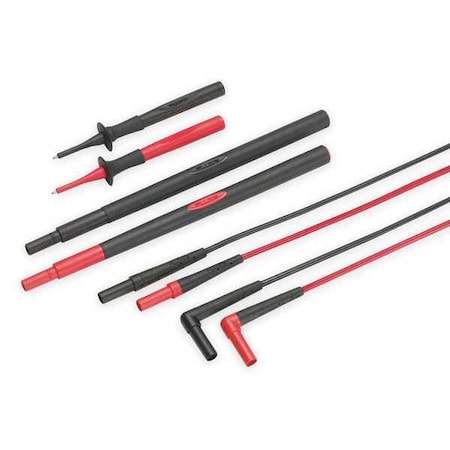
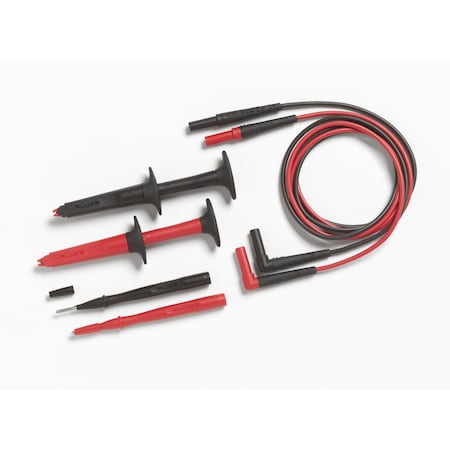
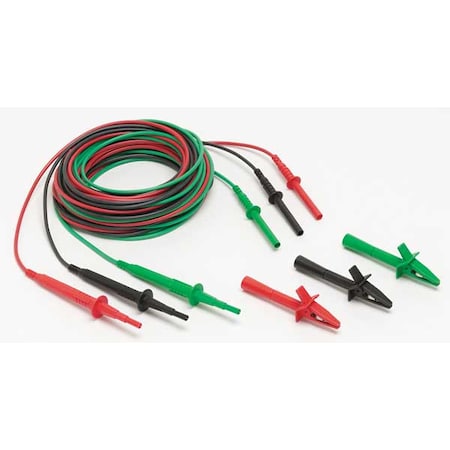
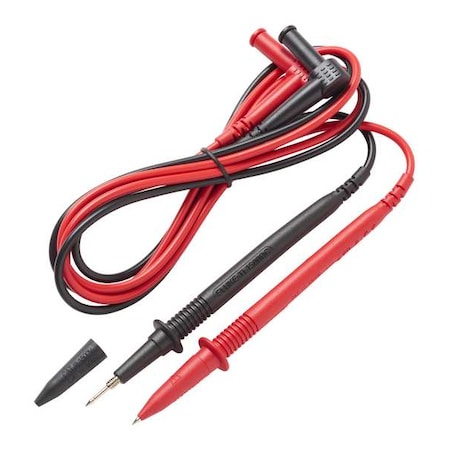
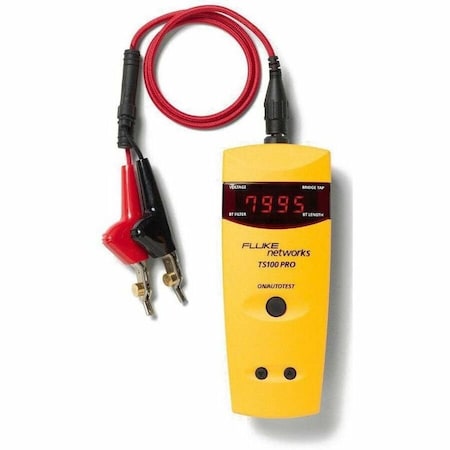
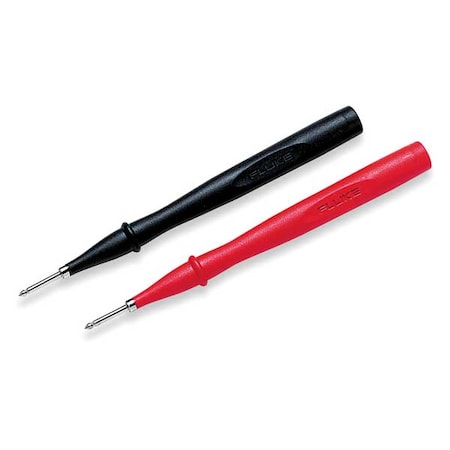
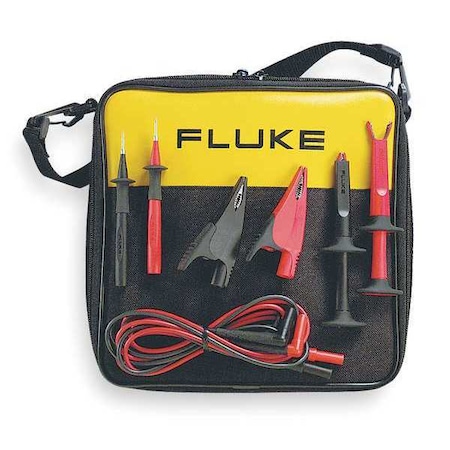
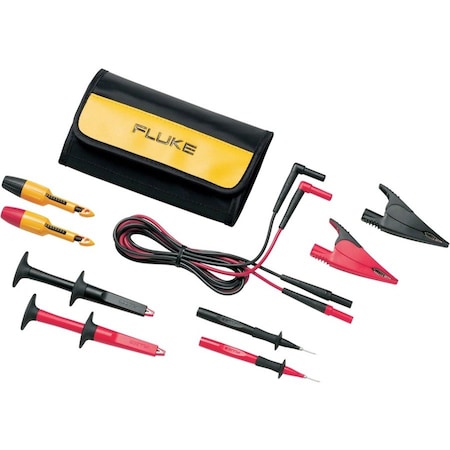
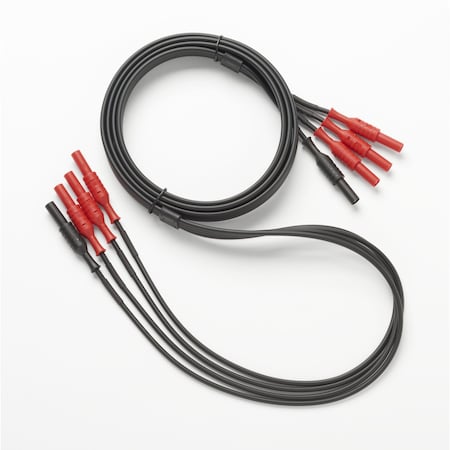
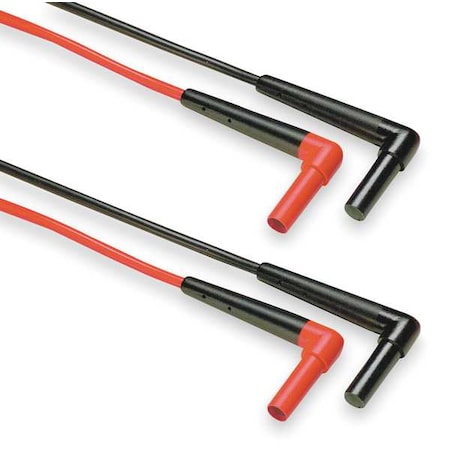
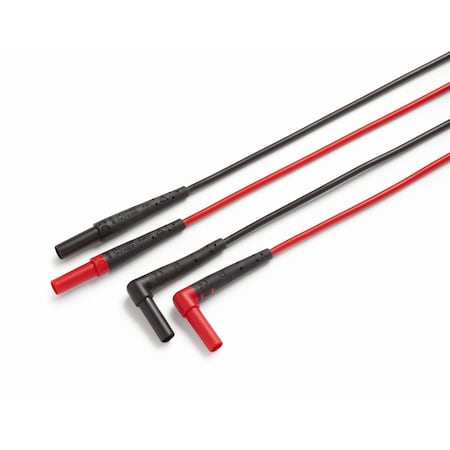
Silicone Insulated Test Leads, CAT III 1000V, CAT IV 600V, Shrouded Right Angled on Both Ends, 1.5m
Customer insights summarized by AI
Top reasons why customers love these products
Customer insights summarized by AI
Enhanced Safety and Protection
These leads significantly improve safety during electrical measurements by featuring retractable sheaths that prevent accidental contact with energized components.
Exceptional Durability and Build Quality
These leads are recognized for their robust construction, offering long-lasting performance and resilience, often outperforming cheaper alternatives.
Superior Flexibility and Usability
Users appreciate the enhanced flexibility of these leads, particularly in cold environments, which allows for easier handling and safer measurements in constrained spaces.
Precision and Versatility for Various Applications
These leads offer precise contact and adaptability through features like sharp tips and adjustable lengths, making them suitable for a wide range of electrical testing tasks, from general-purpose use to intricate circuit board work.
How professionals are using Fluke Leads
General Electrical Testing
These test leads are commonly used for general electrical measurements across various applications, serving as reliable replacements for original equipment and integrating seamlessly with different Fluke meters and accessories.
Electrical Troubleshooting
Professionals utilize these leads for efficient and safe electrical troubleshooting, especially in demanding environments like industrial cabinets with high voltages or in outdoor settings with cold temperatures.
Circuit Board and SMT Testing
With their fine needle-point tips, these probes are ideal for precision testing on delicate surface-mount technology (SMT) devices and crowded circuit boards, preventing accidental shorts.
HVAC Automation and Jumper Applications
These versatile leads are employed in HVAC automation for their adaptability, often paired with alligator clips to function as jumper wires or probes in hard-to-reach areas.
Fluke Leads FAQs
While one customer specifically inquired about compatibility with the T5-600 banana plug, numerous reviews confirm these leads fit various Fluke meters like the Fluke 117, 77, 89 IV, and multimeters, suggesting broad compatibility with standard Fluke equipment. The leads are noted for being suitable replacements and upgrades for existing Fluke leads.
One review notes difficulty with AC285 alligator clips, suggesting that not all clip models are compatible. However, several reviews highlight the effectiveness of the TwistGuard feature, allowing users to easily expose or protect the probe tip as needed, enhancing versatility and safety in varied testing scenarios. The retractable sheaths are also noted to have positive detents for secure positioning.
Multiple reviews attest to the high quality and durability of these leads, often mentioning they are a significant upgrade from standard leads. Users in demanding fields like HVAC automation and those working in cold climates confirm that the leads remain flexible and perform reliably, even in sub-zero temperatures, which is critical for safety and usability.
The leads feature sharp, precise tips, which ensure good electrical contact and prevent slipping, as noted in 2 reviews. They also come with retractable insulating sheaths and firm detents to prevent accidental contact. However, one review mentions that the meter-side connections have long strain reliefs that can cause the probe connection to lift from the meter.
What Professionals Say
From professionals who use Fluke Leads
The Fluke TL175 TwistGuard Test Leads are the best leads i have used in my 26 yrs of experience thus far.
If you are a technician that works outdoors in the winter (Northern Plains) and the still air temperature is below zero, the leads remain flexible which is a big deal to me.
I work in the HVAC automation industry and I like the versatility these leads offer. I often use a pair of AC220 aligator clips and use one as a jumper wire or a probe on each end and use it as a jumper where aligator clips won't fit.

