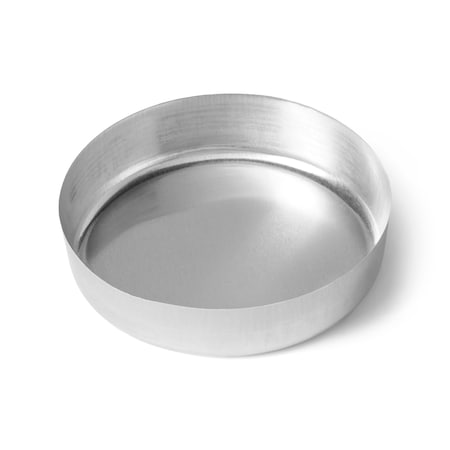
Along with laboratory syringes and test culture tubes, laboratory dishes are standard lab equipment. Plastic (polystyrene) petri dishes are disposable. Glass petri dishes are reusable, and can be sterilized. Other dishes include well plates and weighing dishes. Products vary by material, capacity and other considerations. Manufacturers include Eagle Thermoplastic, Lab safety Supply and more.
Frequently Asked Questions
There are various types of lab dishes available, including petri dishes, cell culture dishes, tissue culture dishes, and microtiter plates. Each type is designed for specific applications in biological research and laboratory settings.
The choice of lab dish depends on the type of cells or organisms being cultured, the experimental conditions, and the desired outcomes. Factors such as surface treatment, material composition, and dish volume should be considered to ensure optimal growth and experimentation.
Lab dishes provide a controlled and sterile environment for cell culture and microbiological studies. They enable precise manipulation and observation of cells and organisms, facilitating research in areas such as cell biology, microbiology, and biotechnology.
Sterilizing and maintaining lab dishes properly is crucial to prevent contamination and ensure their longevity. Standard procedures involve autoclaving or chemical treatments to eliminate microorganisms. Regular cleaning and handling precautions help maintain the integrity and functionality of lab dishes.