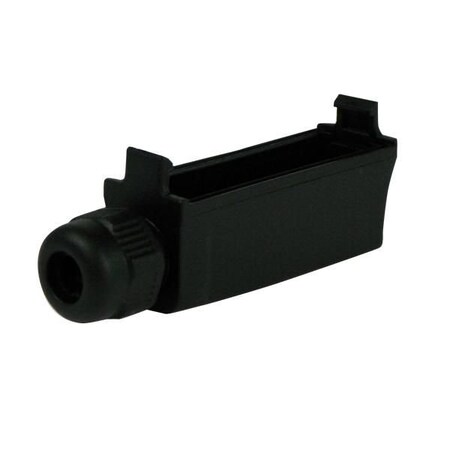
Limit switches enable systems engineers to automate aspects of their assembly lines and other motion systems because they prevent and otherwise control the movement of traveling objects once they come within the sensor range of the limit switch. The traveling object, coming into contact with the limit switch sensor, essentially triggers its own stop. Limit switches have many parts that can wear and require replacement, as well as optional parts and switch accessories that can customize the functions and effects of the switch, such as an electric actuator, a limit switch head or pressure transducer (pressure transmitter) and more.
Frequently Asked Questions
Limit switches are specifically designed to sense the movement of an object and trigger an electrical response when a predetermined position is reached, providing precise control over machinery and automation systems.
Compatibility with your limit switch, environmental factors (temperature, humidity), mounting requirements, and the desired level of protection and durability should guide your accessory selection.
Actuators come in various forms, such as levers, rollers, and plungers. When the object makes contact with the actuator, it triggers a mechanical response within the limit switch, completing or breaking the electrical circuit.
Housings provide protection for the internal components of the limit switch, ensuring reliability and longevity in diverse operating environments. They shield against dust, moisture, and potential impacts, maintaining the integrity of the electrical circuitry.