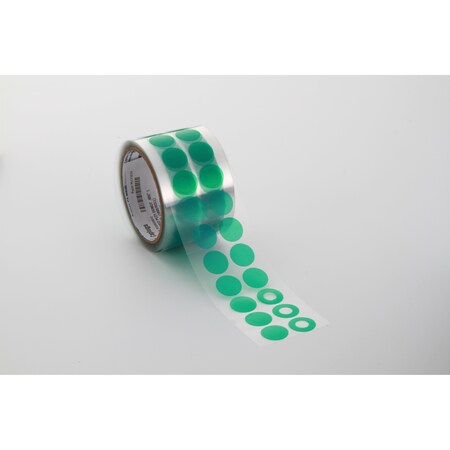
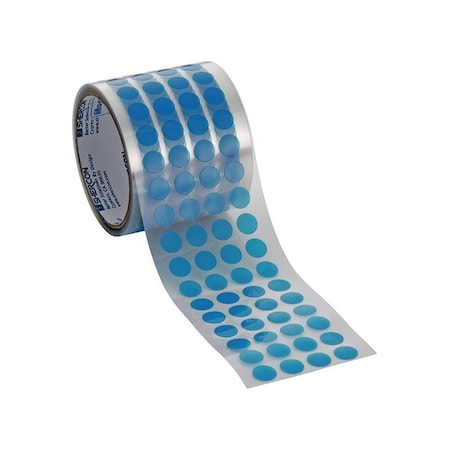
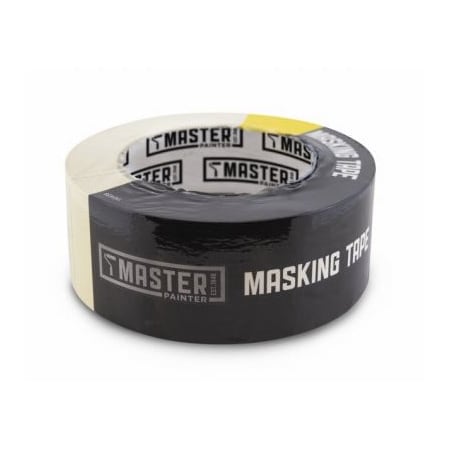
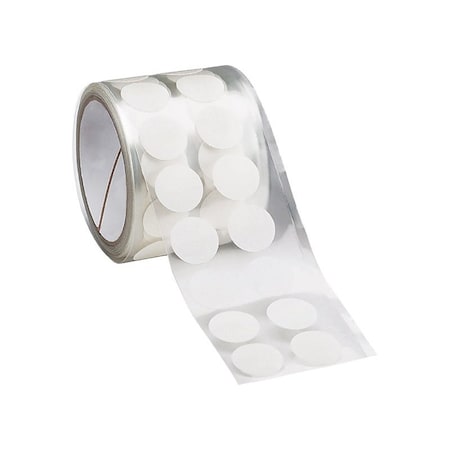
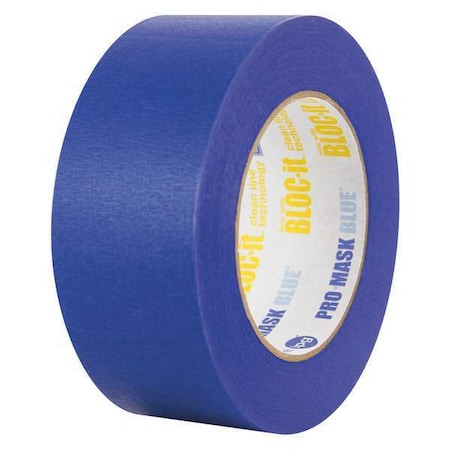
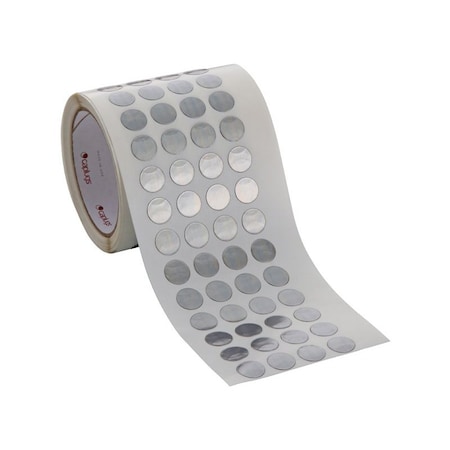
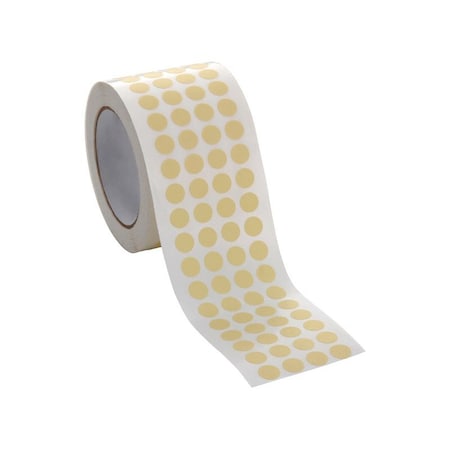
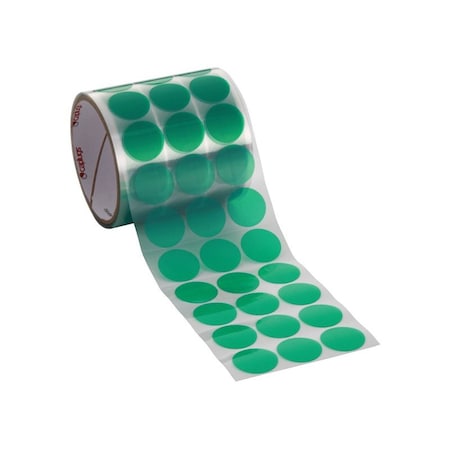
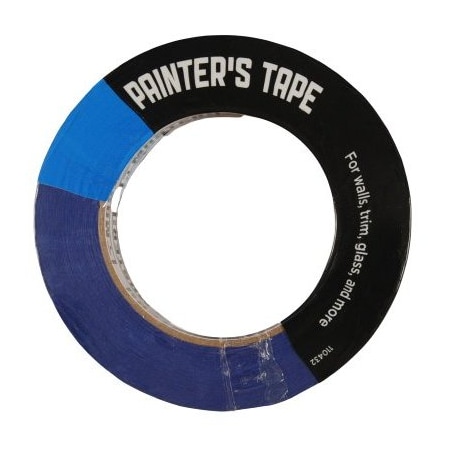
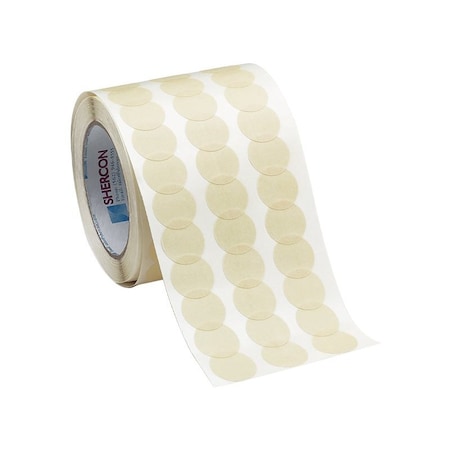
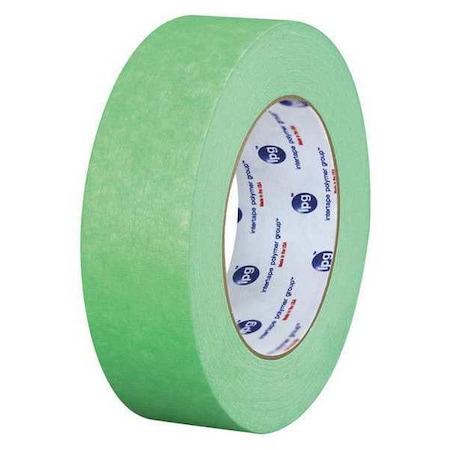
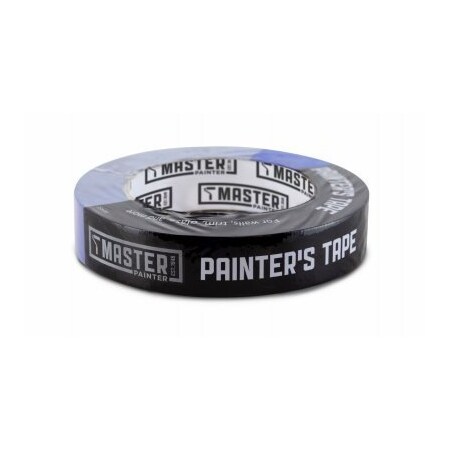
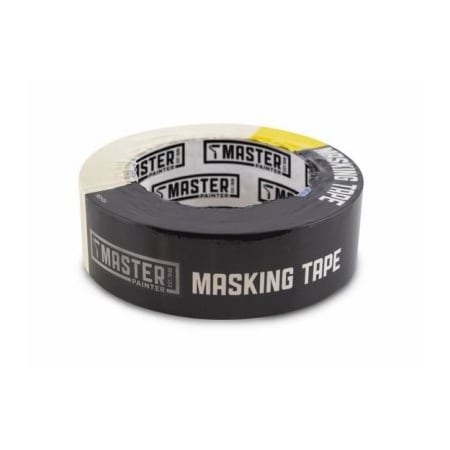
Masking Tapes are versatile tools used to shield various surfaces from paint, adhesives or other substances. Available in an array of sizes and colors, they cater to a range of projects including painting, electrical work, art projects and more. Notably resilient, certain types like blue masking tapes are specifically crafted for outdoor use due to their robust adhesive properties and weather resistance. These tapes are typically made from paper or cloth-backed pressure-sensitive adhesive materials that undergo heat or radiation curing which results in an effective seal against dust, dirt and moisture. Serving a wide spectrum of professionals such as painters, electricians and plumbers who require surface protection before applying paints or adhesives; these tapes also find utility in labeling products during shipping or storage.
Frequently Asked Questions
The most important factors to consider when selecting masking tape are the adhesion strength, temperature resistance, and ease of removal without leaving residue. These factors ensure the tape adheres securely to the surface, withstands various conditions, and removes cleanly for a professional finish.
Masking tapes come in various types, each designed for specific applications. High-temperature tape can endure extreme heat for tasks like powder coating or heat-treating. Low-tack tape is ideal for delicate surfaces or repositioning. Specialty tapes like duct tape or electrical tape offer unique properties for specific industries and environments.
To ensure proper adhesion of masking tape, start by cleaning the surface to remove any dirt or dust. Apply the tape smoothly and firmly, pressing down along its length. For optimal results, use a rounded edge or burnishing tool to increase the contact area between the tape and the surface.
Choosing the appropriate width of masking tape depends on the size of the area you are masking. Wider tape is suitable for larger areas, providing better coverage and adhesion. Narrower tape is ideal for intricate detailing or masking smaller objects, allowing for precise application.