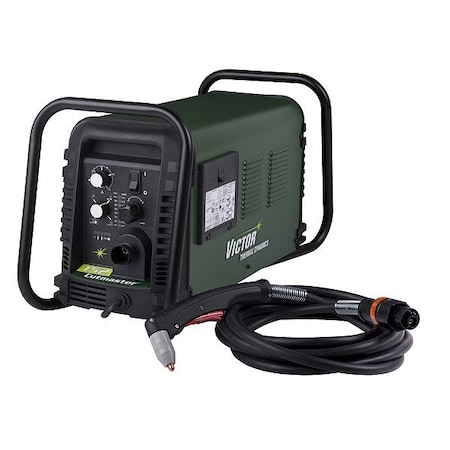
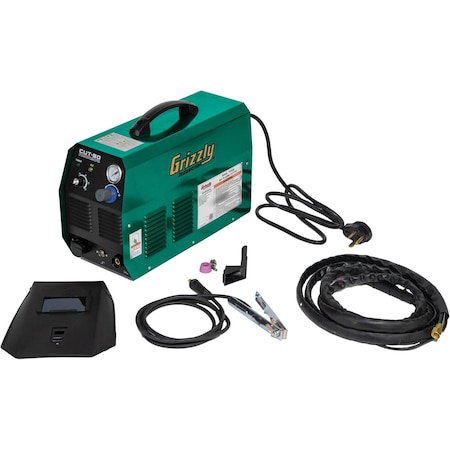
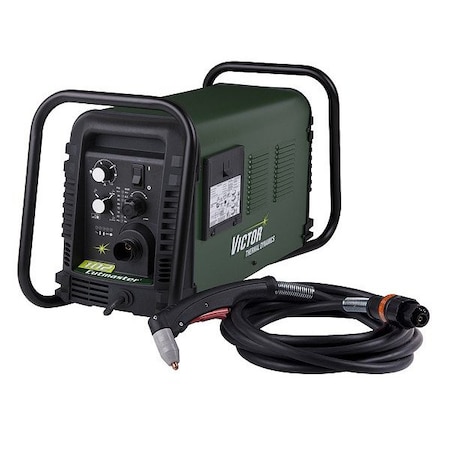
Cut or gouge aluminum, stainless steel, brass, copper and other conductive metals with plasma cutters. Plasma cutters cut by sending an electric arc through a gas passing through a narrow portal. Plasma cutting systems vary by inclusions, among other considerations, but most typically include the cutter machine, the plasma torch, and cables. Plasma tables comprise other systems. Plasma cutting accessories are available, as well, to help refine your approach to the job. Compared to other cutting systems, such as laser, plasma cutting systems have lower operating costs, faster production rates, and the capability of cutting thick materials. Items vary by application, input voltage, duty cycle, inclusions and other considerations.
Frequently Asked Questions
Plasma cutting is an advanced metalworking process that utilizes a superheated, ionized gas (plasma) to cut through conductive materials. It offers unparalleled precision, speed, and versatility, making it a sought-after technique in various industries.
Plasma cutting systems provide numerous advantages over other cutting methods. They excel in cutting intricate shapes with unmatched precision, deliver high-quality clean cuts, and minimize workpiece distortion. Additionally, plasma cutters are versatile, enabling cutting of various conductive materials, including mild steel, stainless steel, aluminum, and copper.
While both plasma cutting and laser cutting are advanced cutting technologies, they differ in their operation and characteristics. Plasma cutting uses a plasma arc to melt and expel metal, resulting in a wider kerf (cut width) compared to laser cutting. Laser cutting, on the other hand, employs a concentrated laser beam to melt and vaporize the material, achieving a narrower kerf with higher precision.
Choosing the right plasma cutting system requires careful consideration of several factors. Evaluate the desired cutting thickness and material types to determine the appropriate power output. Consider the duty cycle to ensure the system meets your production demands. Additionally, assess the available features, such as automated height control, nesting capabilities, and CNC integration, to enhance productivity and accuracy.