


5 Common Machine Shop Accidents and How to Prevent Them
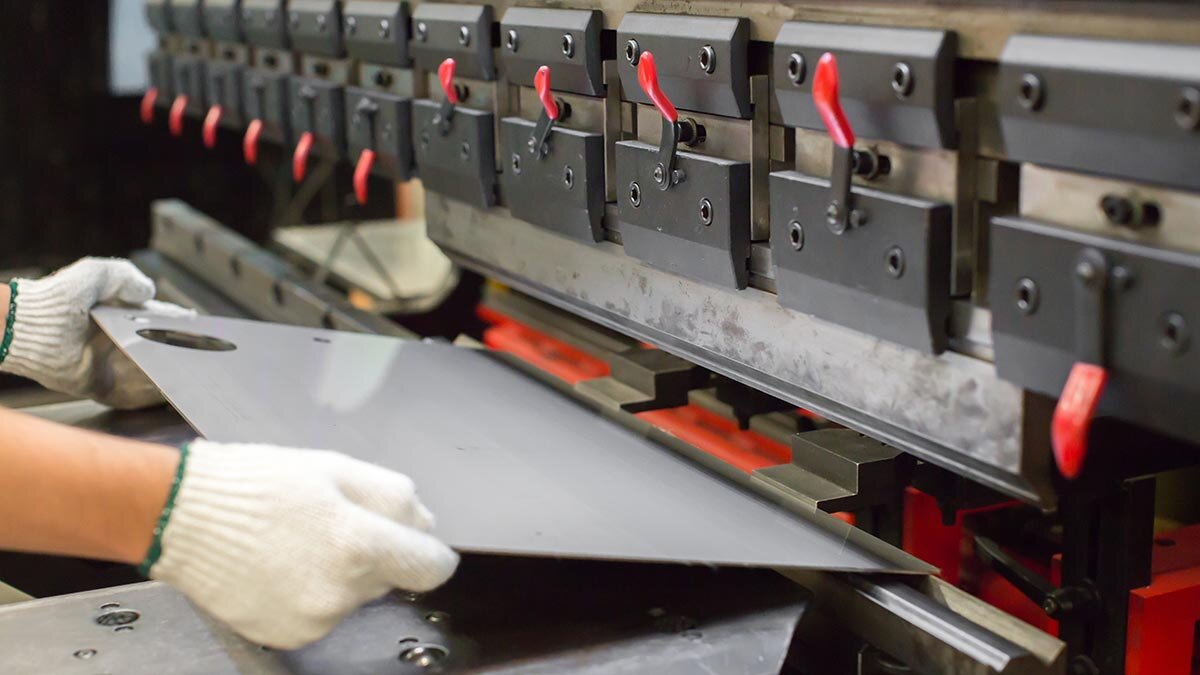
If you own or manage a shop, you know safety is part of running a successful operation. The truth is, machine shop accidents—from cuts and burns to a serious machinery accident—can disrupt workflow, raise costs, and put people at risk. Knowing the most common accidents and how to prevent them gives you the tools to protect your employees and keep production moving.
Quick Summary: 5 Machine Shop Accidents to Watch Out For
- Cuts and Lacerations: From sharp tools and blades
- Crush Injuries: From heavy machinery and pinch points
- Burns and Heat Injuries: From sparks, hot metal, and surfaces
- Eye and Face Injuries: From flying debris and sparks
- Repetitive Strain Injuries: From repeated motions and poor ergonomics
Prevention Tip: Most accidents can be avoided with proper PPE, machine guarding, training, and ergonomic practices.
1. Cuts and Lacerations
It doesn’t take much for a sharp edge to cause trouble in a shop. Whether it’s a saw blade, sheet metal, or a tool that’s been dulled over time, cuts are among the most common machine shop accidents. Many happen when guards get removed for convenience or when PPE isn’t used.
How to Prevent Them:
- Use cut-resistant gloves where appropriate.
- Keep blades and tools sharp to avoid slips.
- Double-check that machine guards are secured before running equipment.
2. Crush Injuries
Presses, rollers, and forklifts bring power to the shop floor, but they also create pinch points that can trap hands or crush materials. These injuries often happen when employees work too close to moving equipment or when heavy loads aren’t secured properly.
How to Prevent Them:
- Train workers to recognize pinch points.
- Enforce a “hands-off” policy near moving parts.
- Always use proper lifting equipment for heavy loads.
- Apply lockout/tagout procedures before servicing equipment.
3. Burns and Heat-Related Injuries
Welding sparks, grinding friction, or freshly cut metal can all lead to painful burns. These accidents often occur when protective gear is skipped or when hot materials are handled too quickly.
How to Prevent Them:
- Require flame-resistant clothing and protective eyewear.
- Install shields around welding and grinding stations.
- Provide clear guidelines for handling hot parts.
- Give materials proper time to cool before moving or touching them.
4. Eye and Face Injuries
Chips, sparks, and flying debris are part of daily shop work. But without the right protection, they can cause serious injuries to the eyes and face. Even a small shard of metal can do lasting damage.
How to Prevent Them:
- Make safety glasses or face shields mandatory.
- Add machine guards and curtains around high-debris areas.
- Test and maintain eyewash stations regularly.
- Require workers to keep PPE on at all times in machining areas.
5. Repetitive Strain Injuries
Not every machinery accident happens suddenly. Long hours repeating the same motions, such as lifting, grinding, or operating controls, can lead to chronic pain or musculoskeletal injuries.
How to Prevent Them:
- Rotate tasks to reduce repetitive motion.
- Invest in ergonomic workstations and tools.
- Encourage short breaks and stretching throughout the day.
- Train employees on safe lifting and movement techniques.
Why Prevention Matters
For small business owners, even one machinery accident can ripple through the entire operation. It can mean downtime, unexpected costs, and concern among your team. Putting prevention first by providing PPE, training, and safe shop design helps you create a workplace where people feel protected and work keeps moving.
Product Compliance and Suitability
The statements contained in this guide are intended for general informational purposes only. Such statements do not constitute a product recommendation or representation as to the appropriateness, accuracy, completeness, correctness, or currentness of the information provided. Information provided in this guide does not replace the use by you of any manufacturer instructions, technical product manual, or other professional resource or adviser available to you. Always read, understand, and follow all manufacturer instructions. Portions of this article were generated in part by ChatGPT, and edited by a member of the Zoro team.
