


5 Pro Tips for Measuring & Layout Tools in Metalworking
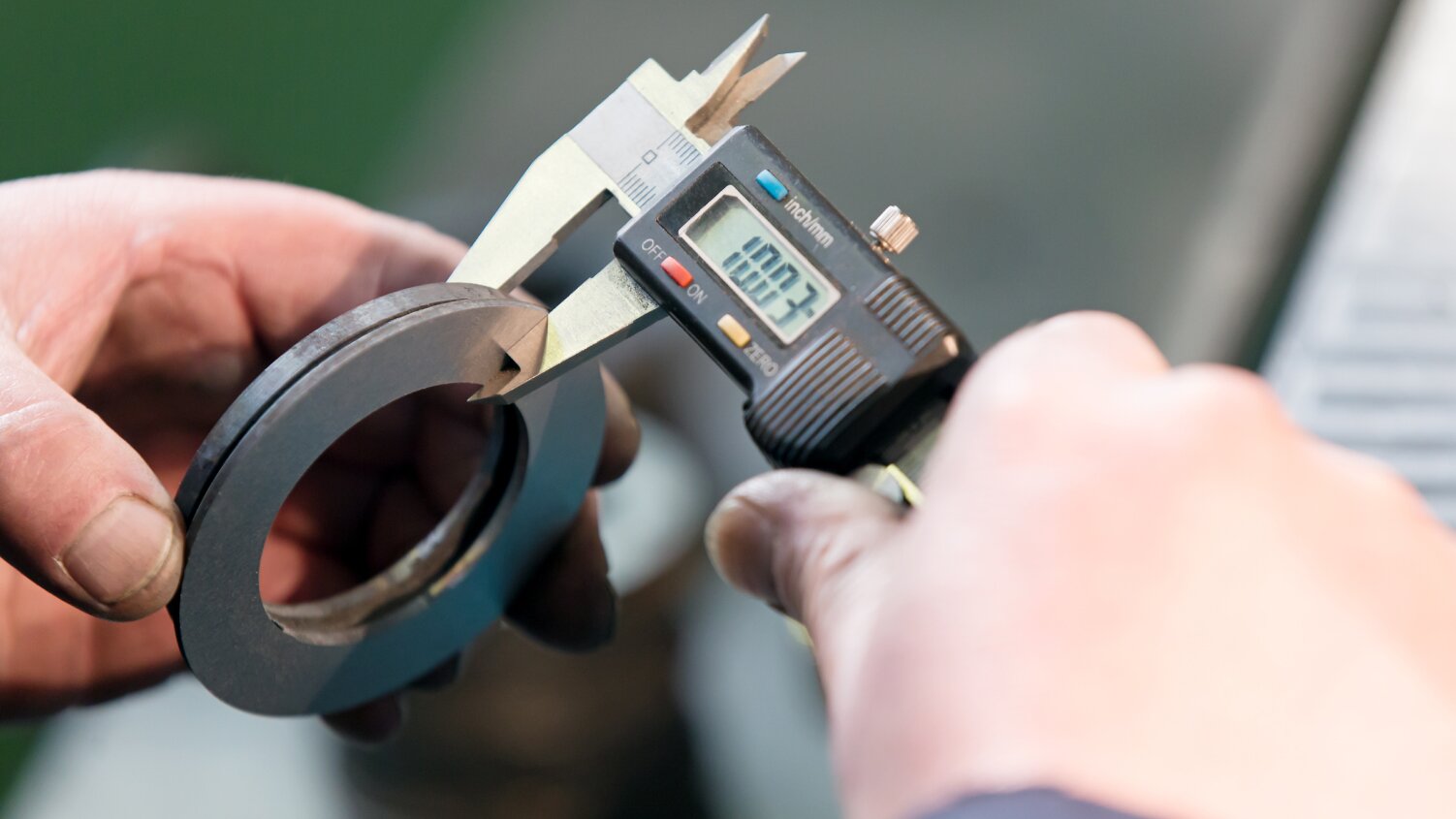
Precision is everything in metalworking. Whether you're fabricating parts, performing QA checks, or prepping raw material, accurate measurement helps reduce waste and improve fit. For small business owners managing metal shops or field crews, investing in measurement know-how can support smoother operations and more predictable results. This guide shares five practical tips to get more from your measuring and layout tools while helping you maintain consistency and control at every stage.
1. Zero Out Your Measuring Tools Before Use
Before using digital calipers or micrometers, always reset the tool to zero. This ensures the reading starts from a true baseline and avoids miscalculations caused by accidental movement or calibration drift.
2. Measure on Clean, Burr-Free Surfaces
Metal chips, dirt, and surface burrs can throw off even the most accurate instruments. Before measuring, clean the part thoroughly and inspect for raised edges. This is especially important when marking cut lines or taking inside dimensions.
3. Use Layout Fluid for Clear Scribe Lines
For marking lines on raw metal, layout fluid (also known as Dykem) makes your scribe marks easier to see and improves accuracy. Once the fluid dries, it provides a clean contrast between the surface and your layout lines, which is especially helpful on dark or polished materials.
4. Match Tool Accuracy to the Tolerance You Need
Not every job needs a micrometer. Choose the tool based on the required precision. For general fabrication, steel rulers or tape measures may be sufficient. For machining, calipers or micrometers with tighter tolerances are usually more appropriate.
5. Calibrate and Store Tools Properly
Environmental conditions like heat, cold, or moisture can affect your tools’ accuracy over time. Regular calibration and proper storage can help protect your investment. Keep tools in foam-lined cases or drawers and avoid tossing them into general tool boxes.
Types of Metalworking
Metalworking covers a wide range of processes, each with its own tools and measurement needs. Some of the most common types include:
Machining – Includes milling, drilling, and turning to remove material with precision.
Welding – Uses heat or pressure to fuse metal parts together.
Forging – Shapes metal using compressive force, often while the material is heated.
Casting – Involves pouring molten metal into a mold to form a solid part.
Stamping – Uses dies and presses to form metal into specific shapes, often in large volumes.
Sheet Metal Fabrication – Focuses on cutting, bending, and assembling flat metal sheets into finished components.
Measurement Devices Commonly Used in Metalworking
Metalworking demands precision, and your measuring tools are only as effective as your process. By keeping your tools clean, calibrated, and matched to the task, you can support a more consistent workflow and reduce rework in the shop or onsite.
Product Compliance and Suitability
The statements contained in this guide are intended for general informational purposes only. Such statements do not constitute a product recommendation or representation as to the appropriateness, accuracy, completeness, correctness, or currentness of the information provided. Information provided in this guide does not replace the use by you of any manufacturer instructions, technical product manual, or other professional resource or adviser available to you. Always read, understand, and follow all manufacturer instructions. Portions of this article were generated in part by ChatGPT, and edited by a member of the Zoro team.
