


7 Ways to Extend the Life of Chemical-Resistant Gloves
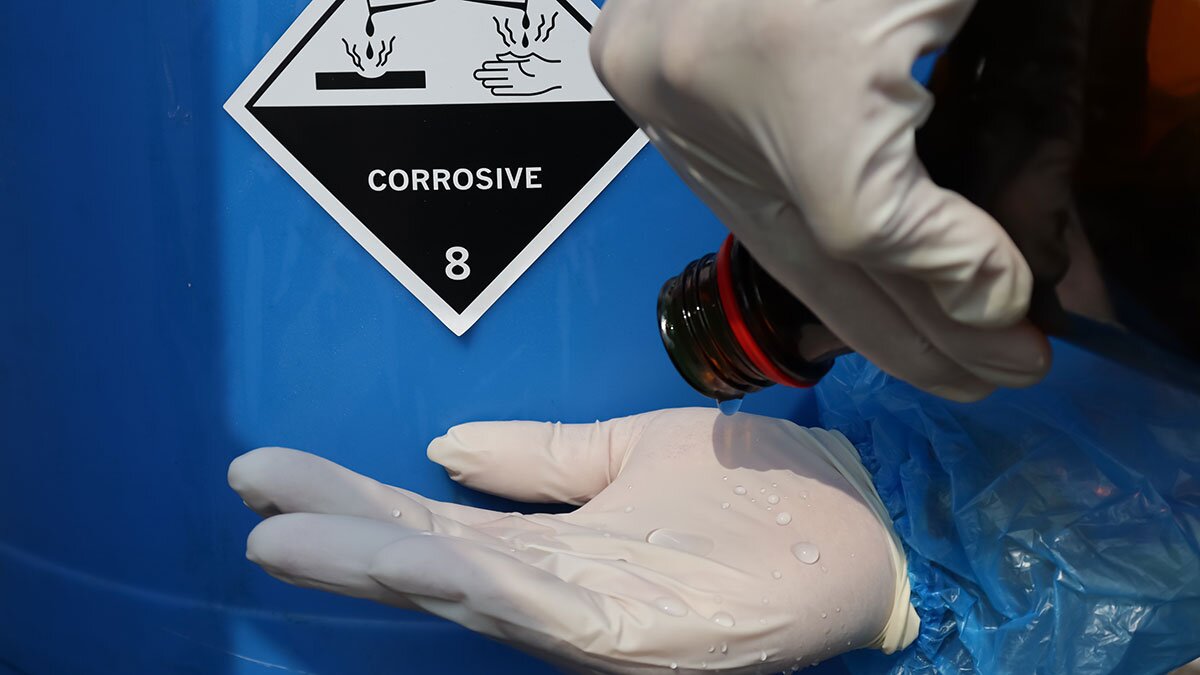
Chemical-resistant gloves are commonly used as a protective barrier for employees handling hazardous materials, but their effectiveness may depend on how well they are used and maintained. Understanding when to replace gloves, how to care for them, and how to store them properly may contribute to extended use and more consistent performance over time.
1. Choose the Right Gloves for the Job
Start strong by picking gloves that match the task. Not all gloves offer the same level of protection. Use a chemical compatibility chart to make sure you’re buying gloves that hold up against the substances your team handles. This upfront effort may help reduce early breakdowns and associated replacement needs.
2. Store Gloves Properly
How you store gloves can make a big difference in how long they last. Set up a designated storage space that’s cool, dry, and away from direct sunlight or chemical vapors. Keep gloves flat, clean, and paired together for easy access. These simple steps can help avoid early signs of degradation and stretch your PPE budget.
3. Set Up a Glove Cleaning Routine
If you’re using reusable gloves, set up a basic laundering process, even if your team is small. Post easy-to-follow cleaning instructions, stock mild detergents, and make it part of the daily routine. Clean gloves may offer more consistent performance and potentially extend usability.
4. Follow the Manufacturer's Cleaning Guidelines
Each glove type comes with its own care instructions. Most can be washed with mild soap and water, then air-dried out of direct sunlight. Avoid using high heat or harsh cleaners unless the glove is rated for it. Taking a few minutes to clean gloves properly can go a long way toward preserving their protective layer.
5. Make Inspections a Daily Habit
Before and after each use, check gloves for cracks, brittleness, swelling, or changes in color and grip. These may be signs of degradation and may indicate the need for replacement.
After how many hours should gloves be changed? There’s no one-size-fits-all answer. Depending on exposure and usage, gloves may need to be replaced every few hours or after handling hazardous materials, according to manufacturer recommendations.
6. Know When to Replace Gloves
Even with careful storage and cleaning, gloves don’t last forever. Most chemical-resistant gloves have an expiration date. Be sure to check the packaging.
How long do nitrile gloves last? When stored correctly, unopened nitrile gloves typically have a shelf life of up to five years. But once they’re in use, the clock speeds up. Frequent chemical contact may necessitate more frequent replacement. When uncertain, it is advisable to follow manufacturer guidance.
7. Train Your Team on Glove Use and Care
Whether you manage a small crew or rotate multiple shifts, glove care needs to be part of your team’s training. Teach employees how to inspect, clean, and store gloves properly. Provide guidance on typical glove performance and signs that they may need to be replaced.
Managing workplace safety often involves informed, proactive practices. By choosing appropriate gloves, implementing care routines, and observing signs of wear, teams may be able to maximize PPE use while maintaining compliance and reducing unnecessary waste. Zoro offers a variety of chemical-resistant glove options that align with a range of workplace needs and safety standards.
Product Compliance and Suitability
The statements contained in this guide are intended for general informational purposes only. Such statements do not constitute a product recommendation or representation as to the appropriateness, accuracy, completeness, correctness, or currentness of the information provided. Information provided in this guide does not replace the use by you of any manufacturer instructions, technical product manual, or other professional resource or adviser available to you. Always read, understand, and follow all manufacturer instructions. Portions of this article were generated in part by ChatGPT, and edited by a member of the Zoro team.
