


A Simple Guide to Conduit Fill and Electrical Conduit Sizing
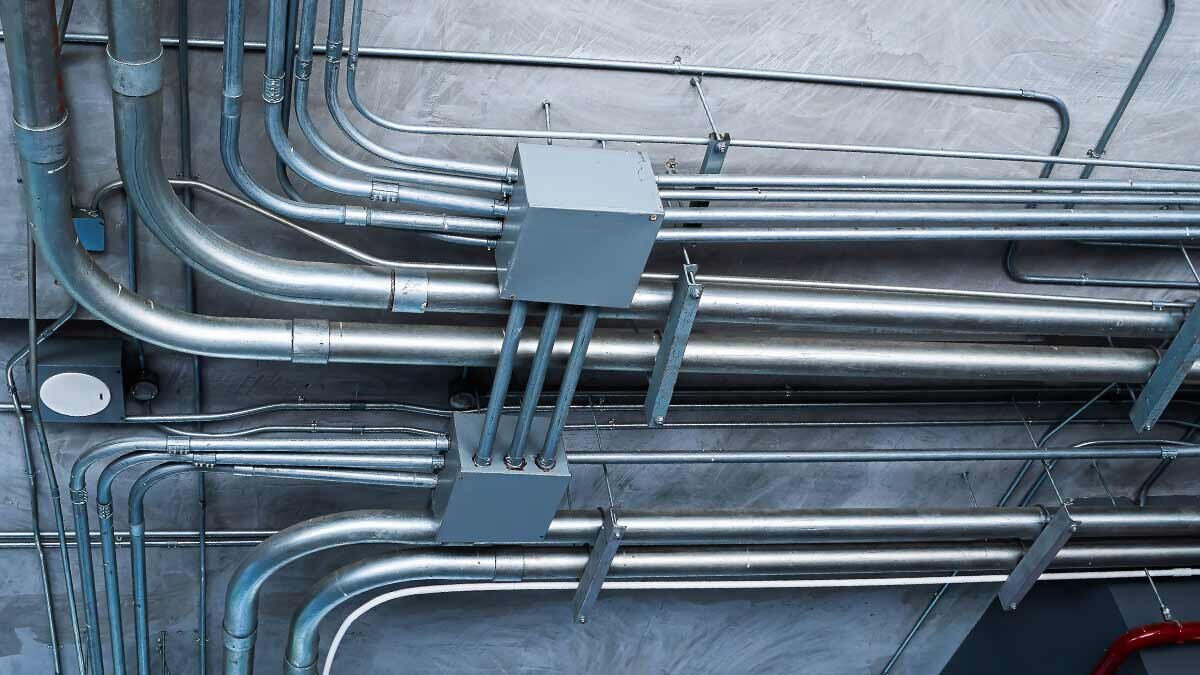
When you’re running a business, every installation needs to be safe, compliant, and efficient. That’s especially true when it comes to electrical conduit selection. Conduit fill plays a big role in how smoothly your team can pull wire, protect conductors, and keep projects on schedule. This guide walks you through how to size electrical conduit in a straightforward, practical way so you can move from planning to installation with confidence.
Why Conduit Fill Matters
Conduit fill describes how much of the inside of a conduit is occupied by conductors. When the conduit becomes too crowded, you may face challenges such as:
- Harder wire pulls
- Potential insulation damage
- Additional heat buildup
- Delays during inspection
Using a conduit capacity calculator helps you stay compliant with electrical codes and ensures your wiring has enough breathing room.
How to Size Electrical Conduit
You don’t need to memorize equations or dig through codebooks to figure out conduit sizing. Instead, follow a few easy steps.
- Identify your wire sizes and insulation types. THHN and THWN conductors are common in commercial work.
- Count your conductors. Include hot, neutral, and grounding wires.
- Match your conductor count to the conduit type you're using. EMT, PVC, rigid, and flexible metal conduit all have different internal diameters that affect capacity.
- Confirm the final conduit size using manufacturer specifications or a conduit capacity calculator. This ensures your setup supports easy wire pulls and meets local code requirements.
That’s it. Once you’ve matched your wire count and type, you’ll know what conduit size you need, whether it’s ½" EMT for a light circuit or 1½" PVC for larger runs.
Types of Conduit
Before finalizing your selection, consider which conduit type fits your application best.
- Electrical Metallic Tubing (EMT): Lightweight, easy to bend, and common for indoor runs.
- Polyvinyl Chloride (PVC): Corrosion-resistant and ideal for wet or underground locations.
- Rigid Metal Conduit (RMC): Heavy-duty protection for outdoor or high-impact environments.
- Flexible Metal Conduit (FMC): Great for tight spaces or short connections to machinery.
Each type has its own internal dimensions, so check manufacturer data or use an online conduit capacity calculator to fine-tune your sizing.
Tips for Effective Electrical Conduit Selection
Small adjustments during planning can save time on the jobsite.
- Think ahead. If you expect future expansion, plan your conduit size accordingly.
- Watch the number of bends. Additional bends add resistance and may require upsizing.
- Count the grounding conductor. It contributes to total fill.
- Keep your layout organized. Clear planning and neat routing make maintenance easier and safer.
When to Use a Conduit Capacity Calculator
If you’re working with mixed wire sizes or different conduit types, an online conduit capacity calculator can do the math for you. These tools let you plug in your wire sizes, insulation types, and conduit material to get an instant size recommendation. It’s a simple way to verify that your setup meets code and safety standards.
Final Takeaway
Sizing electrical conduit doesn’t need to feel complicated. When you understand how conduit fill works and take a thoughtful approach to planning, you set your team up for smoother pulls, clear inspections, and dependable results. Whether you're installing a single circuit or coordinating a larger facility upgrade, consistent conduit sizing supports safety and efficiency.
At Zoro, we’re here to make your workday simpler. You’ll find EMT, PVC, and flexible conduit options, along with fittings, boxes, and wire management essentials, all in one place so you can keep every electrical project moving forward with confidence.
Product Compliance and Suitability
The statements contained in this guide are intended for general informational purposes only. Such statements do not constitute a product recommendation or representation as to the appropriateness, accuracy, completeness, correctness, or currentness of the information provided. Information provided in this guide does not replace the use by you of any manufacturer instructions, technical product manual, or other professional resource or adviser available to you. Always read, understand, and follow all manufacturer instructions. Portions of this article were generated in part by ChatGPT, and edited by a member of the Zoro team.
