
Electric Tug Buying Guide for Small Businesses
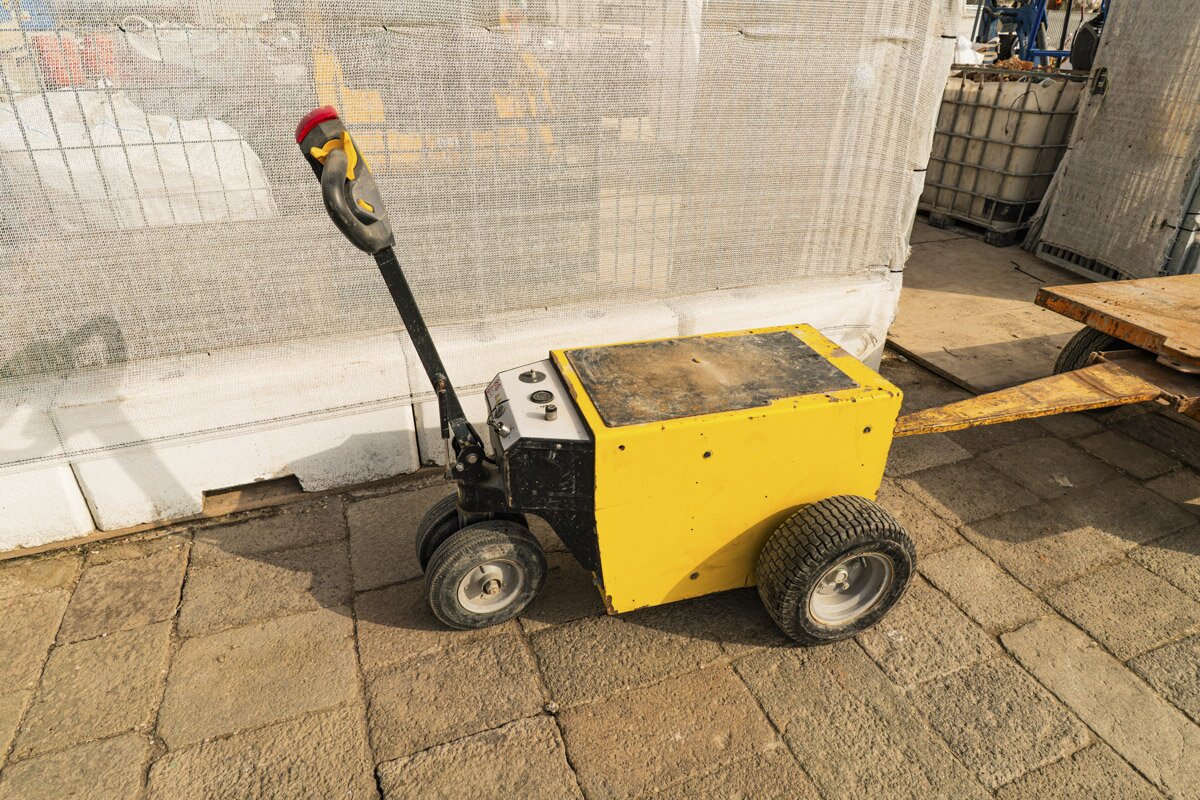
Moving wheeled loads starts with finding equipment that fits your work. An electric tug connects to a wheeled load and provides powered movement. Choosing a motorized tugger means looking at the loaded cart, route and work schedule, along with the coupling and power configuration. The capacity rating helps you get started, but a complete application assessment brings those details together.
For a small business, a little preparation can make equipment conversations more useful. This buying checklist helps you give suppliers the information they need to recommend equipment for your day-to-day tasks and discuss productivity and safety considerations for your application.
Define what needs to move
Start with the carts, bins or trailers you plan to move. Document the empty equipment weight plus its contents, how many units you want to move together and the heaviest planned configuration.
Take a closer look at the wheels, too. Electric tugger application guidance considers the environment, movement and casters when estimating rolling resistance—the resistance a wheeled load presents as it moves. Including these details helps suppliers evaluate the cart alongside the powered machine.
Gather photos and dimensions of each cart type. Note whether carts stay on one route or are shared across departments.
Walk the complete route
Follow the load from its starting point to its destination, including the return journey. Record doorways, turns, thresholds and changes in surface. Identify inclines and provide measurements in the units the supplier requests.
Ask the supplier to confirm that the proposed equipment suits the route you documented. A level-floor rating does not establish suitability for a ramp. Include stopping, restarting and parking in the evaluation for your proposed load and configuration.
Confirm the cart connection
The coupling connects the tug to the load. Ask the supplier which attachment they recommend and how it fits each cart. Photos of a similar cart can help start the conversation, but confirmation should cover your cart’s dimensions and connection points.
Manufacturer equipment listings include model-specific capacities and attachment options within tug families. Product names also vary across suppliers. Listings for powered cart movers and electric tow tug equipment may describe different connection and traction arrangements.
Compare each proposed configuration with your documented use. Confirm the details before treating products as interchangeable.
Plan the battery around the shift
Give suppliers a picture of your work schedule, including:
- Trips per shift and typical trip length.
- The expected load on those trips.
- Breaks and available charging periods.
When reviewing runtime, ask whether the estimate reflects continuous operation or intermittent use. A manufacturer’s battery FAQ may distinguish between the two, but its figures apply to the equipment and conditions described. Ask what runtime you can expect from the proposed machine on your route.
Include operating temperature in the discussion, especially for cold environments. A manufacturer’s application specification process may consider both battery chemistry and operating temperature. Ask for the operating and charging conditions that apply to your proposed equipment so you can evaluate the battery beyond its chemistry name.
Compare the complete proposal
A useful proposal should help you understand what you’re buying, how your team will use it and where to turn for support. Use these buying questions to compare the details.
| Buying question | Evidence to request |
| Will it fit the work? | Written application scope covering load, cart and route. |
| What is included? | Machine, attachment, battery, charger and installation scope. |
| How will the team use it? | Manufacturer operating materials and training proposal. |
| Who supports it? | Service contacts, maintenance requirements and parts process. |
| How will we assess it? | Agreed demonstration conditions and acceptance questions. |
Keep purchase price separate from ongoing cost estimates. Ask which items require periodic replacement and what assumptions support estimated service costs. If a proposal promises labor savings, request the underlying calculation and compare it with your own observed workflow.
Frequently Asked Questions
Can I choose by load rating alone?
Use the load rating as a starting point. Then ask the supplier for application confirmation covering the cart, connection, surfaces, inclines and operating pattern.
Will one tug fit every cart?
Ask the supplier to confirm each cart and attachment combination. Include planned future carts in the request so you can check compatibility before you buy.
Build a shortlist around your route
The next step starts with the details of your work. Document your load, cart, route and work schedule, then use that information to compare equipment and supplier proposals.
Explore material-handling equipment at Zoro, and keep your load and route worksheet handy when discussing suitable equipment with suppliers.
AI Product Compliance and Suitability
The statements contained in this guide are intended for general informational purposes only. Such statements do not constitute a product recommendation or representation as to the appropriateness, accuracy, completeness, correctness, or currentness of the information provided. Information provided in this guide does not replace the use by you of any manufacturer instructions, technical product manual, or other professional resource or adviser available to you. Always read, understand, and follow all manufacturer instructions. Portions of this article were generated in part by ChatGPT.