


Guide to Hammer Types, Sizes, and Uses
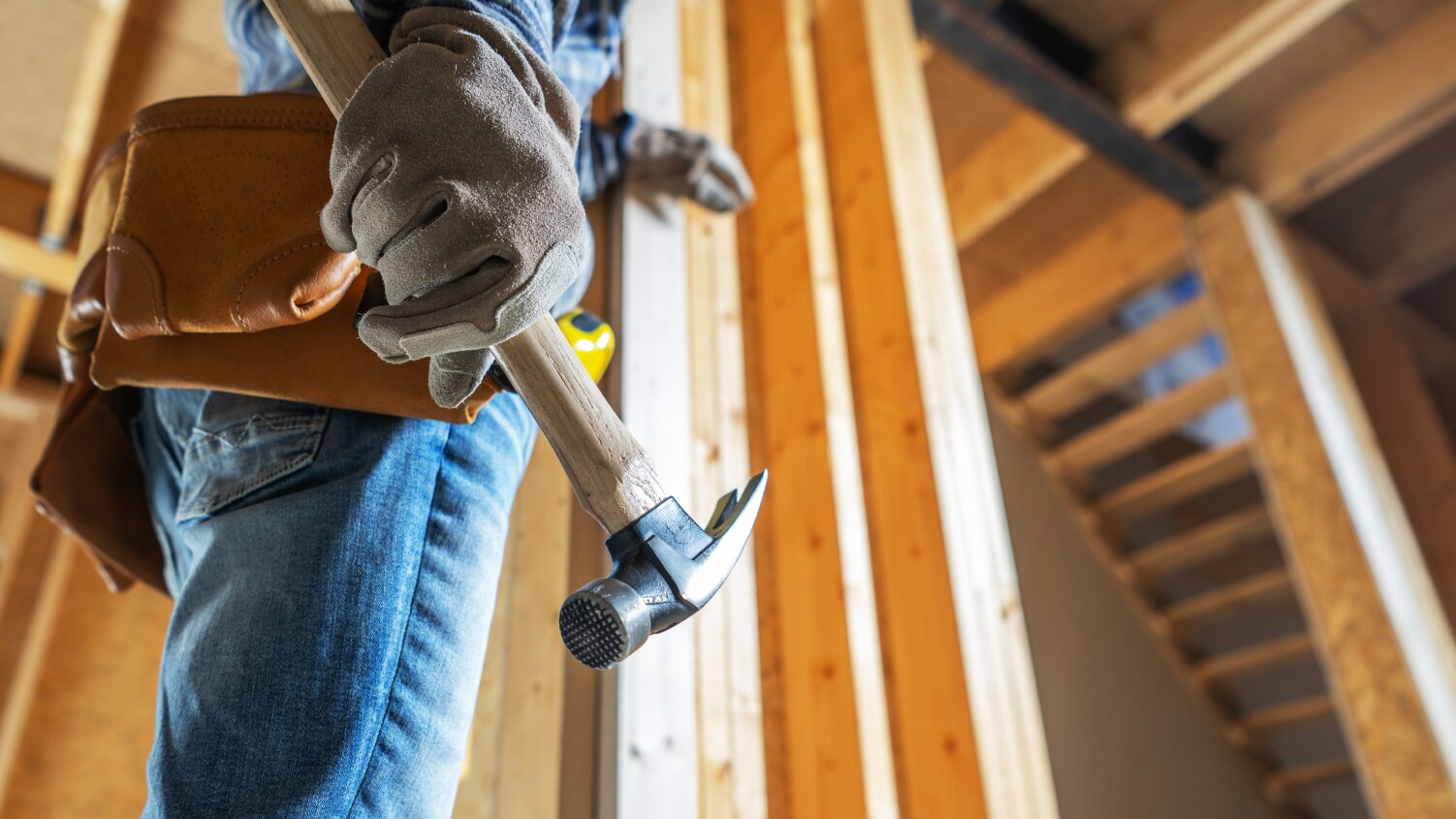
Having the right tools makes all the difference. Whether framing, metalworking, or tearing things down, the right hammer helps you work faster, safer, and more efficiently. We put together this guide to help manufacturing and construction pros find the best one for the job.
Types of Hammers
| Hammer Type | Key Features | Use For |
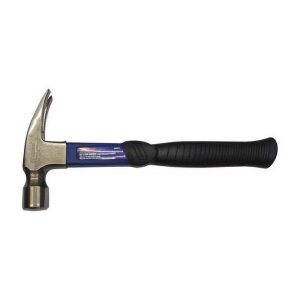 | Designed for driving nails and prying materials, it features a straight claw for demolition and a flat face for hammering. | Construction Industry, Carpentry |
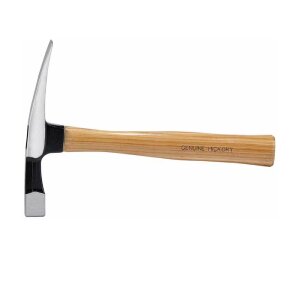 | Designed for cutting and setting bricks, it features a chisel-like edge for scoring and a flat face for striking. | Construction Industry, Masonry |
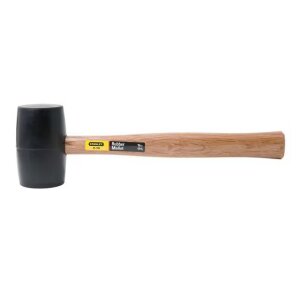 | Built for controlled striking, it delivers force without damaging surfaces and provides a non-marring impact. | Construction and Manufacturing Industries, Woodworking, Flooring, Automotive |
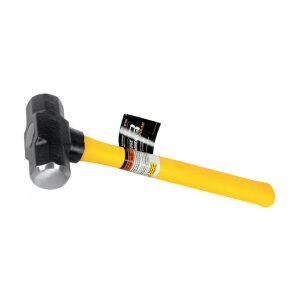 | Engineered for heavy-duty demolition, it features a large, weighted head for maximum striking power on tough materials. | Construction and Manufacturing Industries, Demolition |
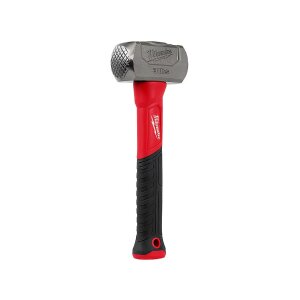 | Optimized for heavy strikes in tight spaces, it combines a compact, weighted head with a durable fiberglass handle for shock absorption and control. | Construction and Manufacturing Industries |
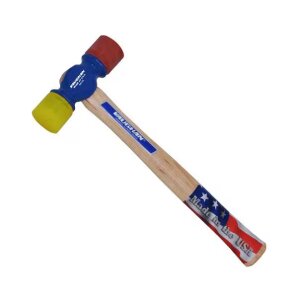 | The soft face minimizes damage, with an ergonomic grip for comfort. | Manufacturing |
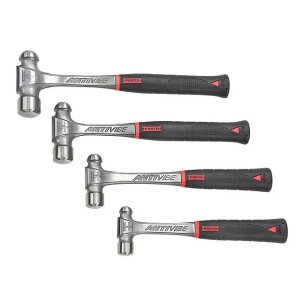 | Has an anti-vibration handle with a slip-resistant grip for better control. | Manufacturing |
Choosing the Right Hammer: What to Look For
Handle Material—Steel handles are durable, fiberglass absorbs shock, and wood offers a classic feel with balanced vibration control.
Weight & Balance—The right weight reduces fatigue and boosts efficiency. Heavier hammers deliver more driving force, while lighter ones offer precision.
Head Material & Surface—Smooth faces are ideal for finish work, while milled faces help keep nails in place during framing.
Ergonomics & Grip—A secure, comfortable grip means better control and less strain, especially for all-day use.
Vibration Control—Titanium and composite hammers help minimize strain and reduce the risk of long-term injury.
Hammer Shape—The right head shape ensures optimal control and impact force so you can get the job done right.
FAQs
What is the best hammer for woodworking?
A finish hammer with a smooth face and lightweight design (10-16 oz.) is ideal for woodworking, as it drives nails without damaging the surface.
Which hammer is less likely to damage delicate surfaces?
A non-marring hammer with a rubber or soft-faced head minimizes impact, making it perfect for delicate materials like wood, tile, and soft metals.
What is the difference between a hammer and a mallet?
A hammer has a metal head designed for driving nails, while a mallet has a rubber or wooden head used for shaping materials without leaving marks.
What is the best material for a hammer head?
Steel is the most durable and commonly used material, but titanium offers a lighter weight with superior shock absorption, reducing strain on the user.
Quality Tools for Precision Finishing
At Zoro, we make it easy to find the right hammer for the job. Whether you need a powerhouse for demolition or a precision tool for finishing work, we’ve got you covered. Check out our selection of industrial-grade hammers and get the job done right.
Product Compliance and Suitability
The statements contained in this guide are intended for general informational purposes only. Such statements do not constitute a product recommendation or representation as to the appropriateness, accuracy, completeness, correctness, or currentness of the information provided. Information provided in this guide does not replace the use by you of any manufacturer instructions, technical product manual, or other professional resource or adviser available to you. Always read, understand, and follow all manufacturer instructions. Portions of this article were generated in part by ChatGPT, and edited by a member of the Zoro team.
