


How to Choose Chemical-Resistant Gloves by Chemical Type

If you manage safety on the job or run a business where chemical handling is part of daily work, choosing the right gloves can make a big difference. Not all chemical-resistant gloves offer the same protection, and selecting the right pair depends on the substances your team encounters.
What Are Chemical-Resistant Gloves?
Chemical-resistant gloves are personal protective equipment (PPE) designed to help protect hands from hazardous substances such as solvents, acids, oils, and caustic cleaners. These gloves act as a barrier between the skin and potentially harmful chemicals, reducing the risk of burns, absorption, or skin irritation.
Why Wearing Chemical-Resistant Gloves Matters
Whether you’re overseeing a facility, shop floor, or maintenance crew, skin exposure to chemicals can lead to serious injuries. But with the right protective gear, many of these risks are preventable. Glove performance varies by material, so the gloves that work for one chemical may break down quickly with another. That’s why glove selection should always begin with a clear understanding of the chemicals in use.
Where Chemical-Resistant Gloves Are Used
Chemical-resistant gloves are essential in many industries. If your team handles cleaners, solvents, oils, or acids, you’re likely already using them—or should be. Common workplaces using potentially damaging chemicals include:
- Manufacturing and production
- Janitorial and sanitation services
- Food processing and packaging
- Automotive and maintenance shops
- Research and lab environments
Each setting comes with its own hazards. A glove that holds up in food processing may not withstand industrial solvents.
Understanding Glove Materials
When it comes to chemical-resistant gloves, the material matters. Each type of glove offers strengths and limitations based on what it's made from. Here's a breakdown to help guide your selection.
| Nitrile | Neoprene | Butyl Rubber | PVC | Rubber | Latex |
 |  |  | 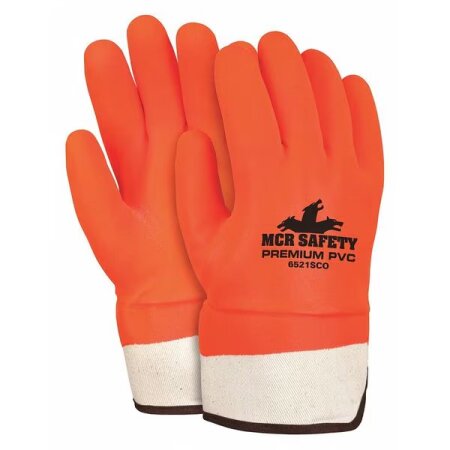 | 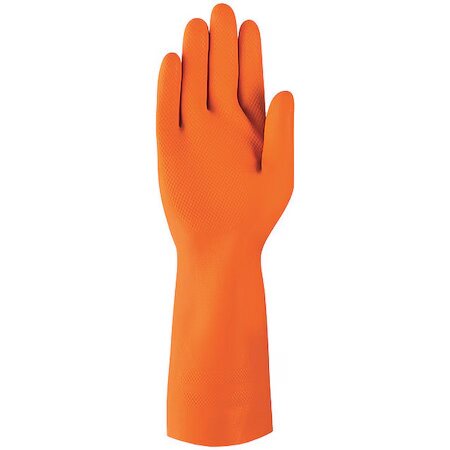 |  |
| Resists oils, greases, fuels, and many solvents. Common uses include manufacturing, automotive, maintenance | Resists acids, caustics, alcohols, and some solvents. Common uses include laboratories, sanitation, chemical processing | Protection from gases and chemicals like ketones and esters. Common in pharmaceutical and hazmat industries | Affordable and resists water-based chemicals, oils, and some acids. Common uses include food processing, light chemical handling | Offers good grip and elasticity. Resists mild acids, alcohols, and detergents for general cleaning and maintenance | Good dexterity; resists some acids and alkalis. Common uses include janitorial, lab work, food services |
Choosing by Chemical Class
Matching glove material to chemical type helps narrow your choices quickly. Please refer to this table from the U.S. Department of Energy (Occupational Safety and Health Technical Reference Manual). Each material is suited to specific chemicals. That’s why it’s critical to consult a glove chemical resistance chart and supplier documentation before choosing PPE for your team.
Storage, Inspection, and Fit
To get the most from your gloves:
- Store them in a cool, dry place away from light and heat
- Inspect before each use—look for cracks, discoloration, or swelling
- Make sure gloves fit properly to maintain comfort and protection
Poorly stored or ill-fitting gloves can compromise safety, even if they’re made from the correct material.
Supporting Workplace Compliance
As a safety manager or business owner, staying compliant with OSHA’s PPE standards (29 CFR 1910 Subpart I) is part of your responsibility. This includes:
- Conducting regular chemical hazard assessments
- Documenting how gloves and other PPE are selected
- Training employees on glove use, care, and limitations
These steps not only help protect your team, but they also support regulatory compliance and minimize liability. Ready to match gloves to your team’s tasks? Explore our selection of chemical-resistant gloves.
Product Compliance and Suitability
The statements contained in this guide are intended for general informational purposes only. Such statements do not constitute a product recommendation or representation as to the appropriateness, accuracy, completeness, correctness, or currentness of the information provided. Information provided in this guide does not replace the use by you of any manufacturer instructions, technical product manual, or other professional resource or adviser available to you. Always read, understand, and follow all manufacturer instructions. Portions of this article were generated in part by ChatGPT, and edited by a member of the Zoro team.
