


How to Choose Cut-Resistant Gloves for Your Team’s Safety
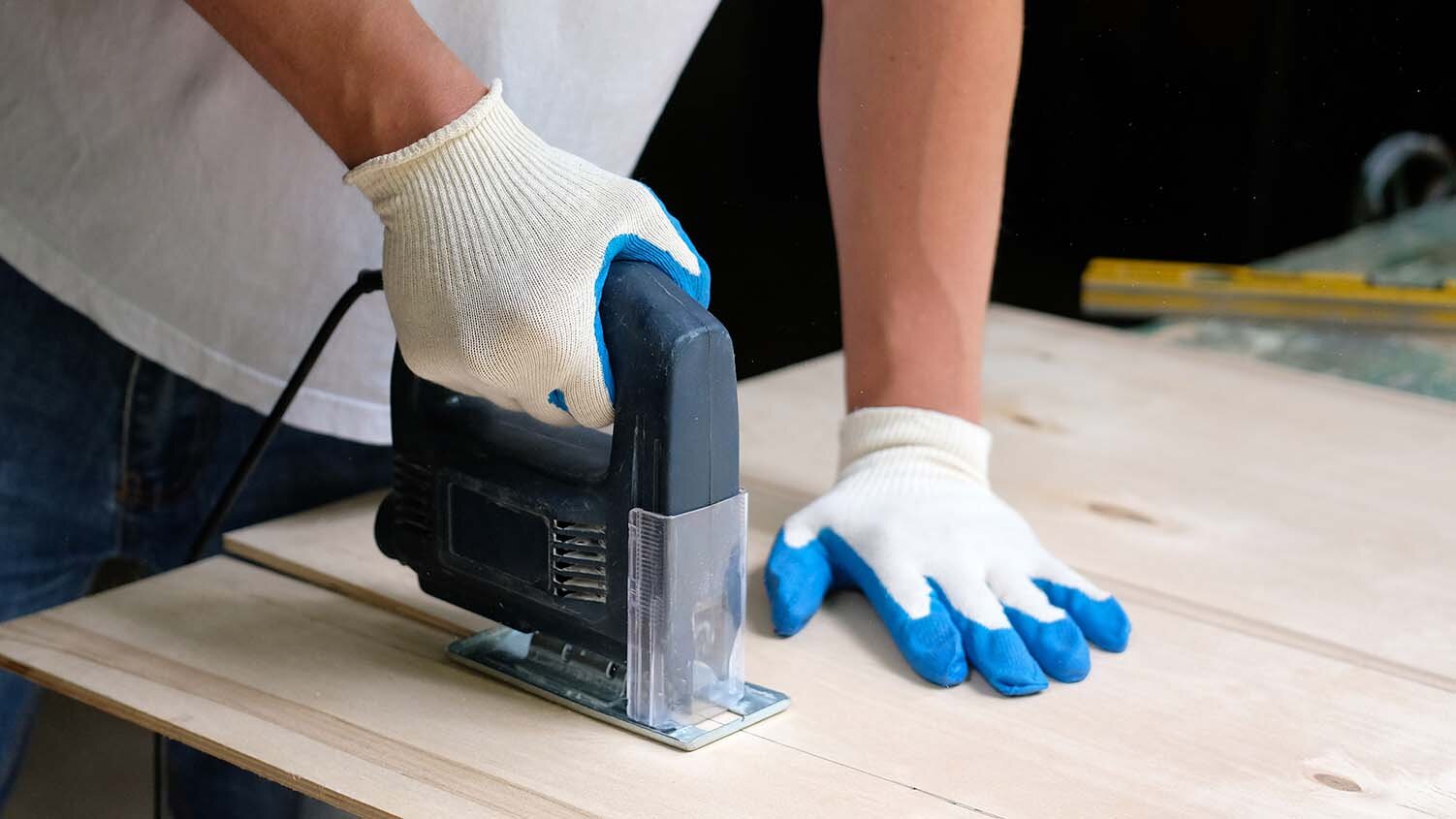
If you’re running a jobsite or facility, maintaining team safety is a constant priority. Hand injuries are among the most common workplace risks, many of which may be reduced with proper precautions. Whether it’s glass, metal, or blades, even a brief slip can result in injury. That’s why selecting appropriate cut-resistant gloves can play a role in promoting a strong safety culture.
What Are Cut-Resistant Gloves?
Cut-resistant gloves are a type of personal protective equipment (PPE) designed to reduce the risk of lacerations and punctures to the hands. They're typically made from engineered materials that provide enhanced resistance against sharp objects such as glass, blades, or metal edges.
Cut-Resistant Glove Materials
Material matters when selecting gloves for your team. Different materials offer distinct benefits, depending on the application. Here’s a breakdown of two commonly used materials.
Kevlar® is a synthetic fiber known for its high tensile strength and lightweight feel. It's commonly used in cut-resistant gloves because of its:
- Durability—Kevlar® fibers maintain strength even under repeated stress.
- Heat Resistance—It can withstand moderate heat, making it suitable for applications that involve warmth or friction.
- Flexibility—Gloves made with Kevlar® tend to be lightweight and flexible, which supports dexterity.
Nitrile is a synthetic rubber coating often applied over other glove materials (such as HPPE or Kevlar®) to enhance grip and protection. Key properties include:
- Grip in Wet or Oily Conditions—Nitrile coatings help workers maintain control when handling slippery or sharp items.
- Abrasion Resistance—Adds an extra layer of protection against surface wear.
- Liquid Resistance—Offers some resistance to oils and light chemicals.
Understanding ANSI Cut Resistance Levels
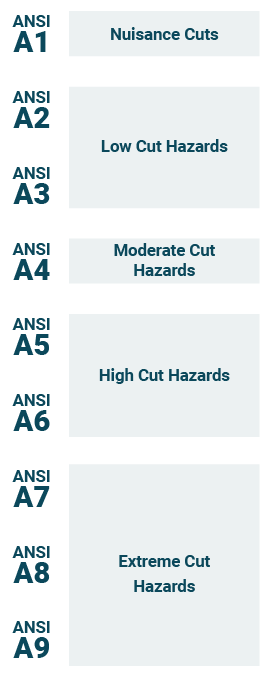
Not all gloves are created for the same type of hazard. The ANSI/ISEA 105 standard offers a rating system that helps you compare gloves based on their cut resistance. These ratings are measured from A1 to A9, based on the amount of force (in grams) needed to cut through the glove material. These recommendations are of a general nature and are not specific to everyone's needs. Always ensure your selected glove complies with the mandated safety standard recommended for your application.
ANSI A1: Paper cuts, material handling, parts assembly
ANSI A2/3: Material handling, small parts handling, general purpose, warehouse, construction
ANSI A4: Bottle and glass handling, drywalling, electrical, HVAC, automotive assembly, metal handling
ANSI A5/6: Sharp metal stamping, metal recycling, pulp and paper, automotive, aerospace industry, meat processing
ANSI A7+: Sharp metal stamping, pulp and paper, butchering, oil and gas, industrial pipe fitting, sheet metal, steel cable handling
|  |
Matching the Glove to the Job
Here are a couple of examples of how glove levels may align with real tasks your team encounters daily.
- A worker cutting cardboard or strapping might consider using an A2 glove.
- A technician installing ductwork or cutting aluminum may benefit from an A5 glove.
- Glass handling tasks may require gloves in the A7–A9 range, depending on the specific materials and risks involved.
In addition to cut level, consider materials. Gloves made with high-performance polyethylene (HPPE), Kevlar®, or steel fiber blends can offer different balances of protection, weight, and flexibility. You’ll also find options with coatings like nitrile that may enhance grip or provide some resistance to liquids.
Glove Maintenance and Replacement
Inspect gloves at the start of each shift and train your team to promptly flag any signs of wear such as thinning or tears. In small businesses, early detection may help reduce downtime and the likelihood of injury.
Staying Aligned with Safety Standards
OSHA requires employers to assess hand hazards and provide suitable personal protective equipment (PPE). Cut-resistant gloves are part of a broader safety plan, which includes job hazard analysis, employee training, and PPE documentation. Providing gloves is important, but training workers to use, care for, and inspect them is just as critical.
Selecting suitable cut-resistant gloves can contribute to crew safety and operational efficiency. When protective gear is well-matched to the task, it may help reduce injury risks and promote team confidence.
Product Compliance and Suitability
The statements contained in this guide are intended for general informational purposes only. Such statements do not constitute a product recommendation or representation as to the appropriateness, accuracy, completeness, correctness, or currentness of the information provided. Information provided in this guide does not replace the use by you of any manufacturer instructions, technical product manual, or other professional resource or adviser available to you. Always read, understand, and follow all manufacturer instructions. Portions of this article were generated in part by ChatGPT, and edited by a member of the Zoro team.
