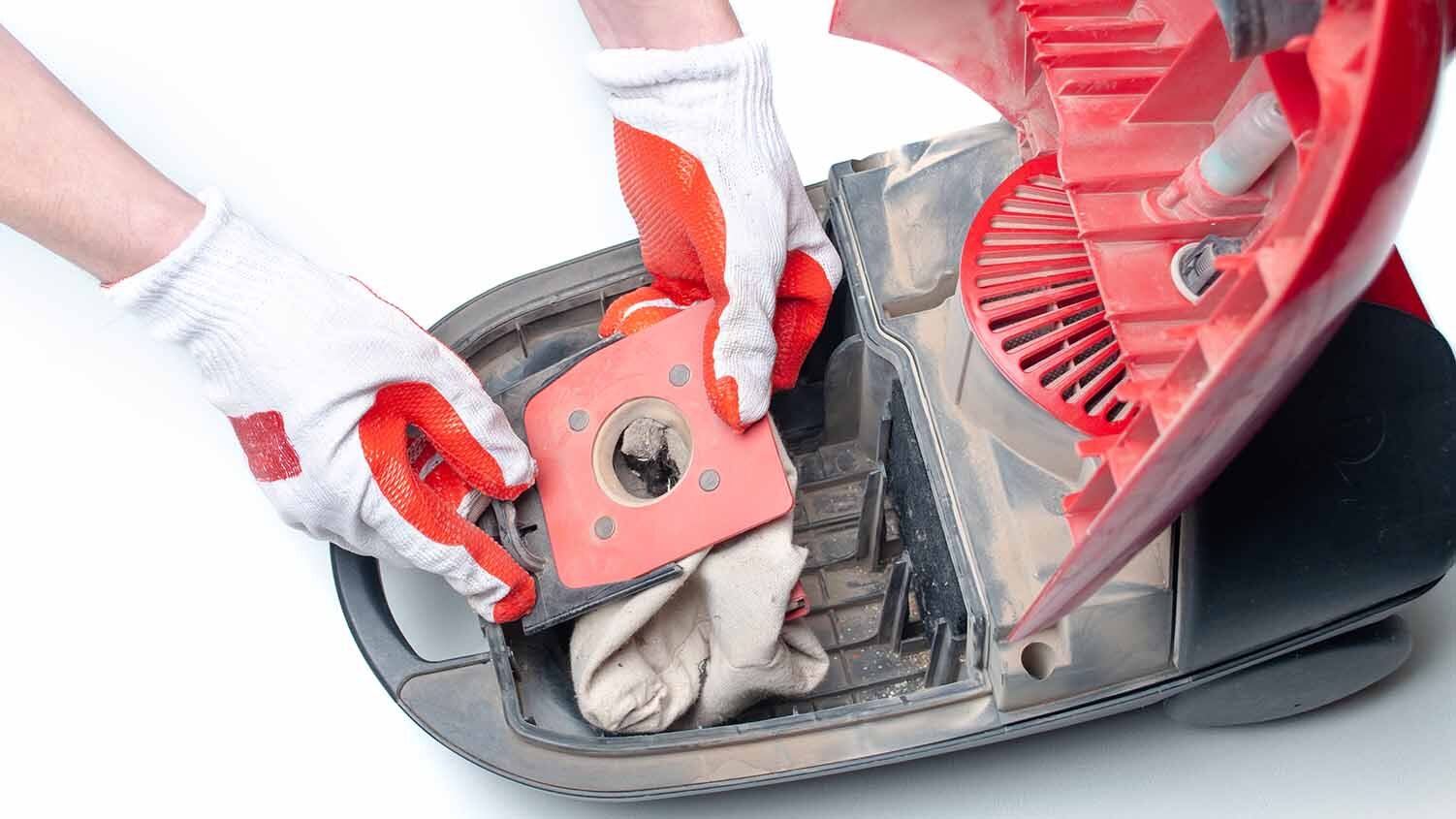
How to Choose an Industrial HEPA Vacuum for Your Business
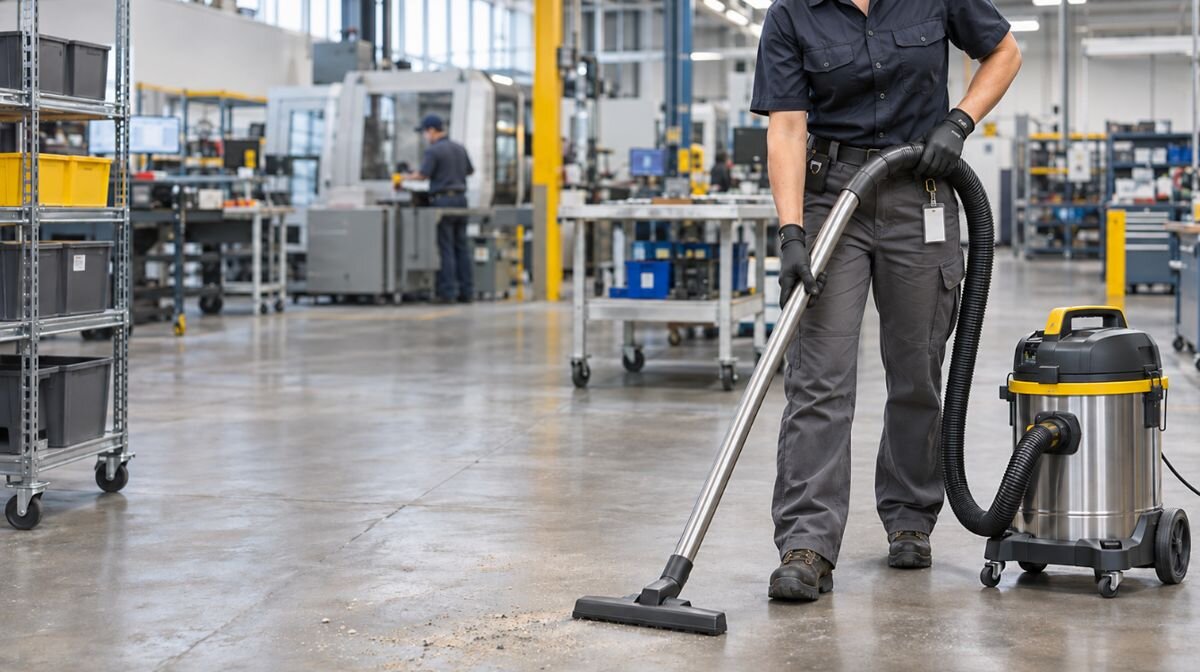
Table of Contents
- Start with the basics: What is a HEPA Vacuum?
- 1. Identify what your team needs to collect
- 2. Check the complete filtration system
- 3. Compare pickup performance on your job
- 4. Match capacity and configuration to your workspace
- 5. Make maintenance and emptying part of the decision
- 6. Compare the full cost of ownership
- Frequently Asked Questions
Choosing an industrial HEPA vacuum starts with what you need to clean up. Identify the material, how much collects and how often your team cleans. Then check the vacuum’s filtration, capacity and maintenance needs against that workload.
A contractor collecting concrete dust has different needs from a warehouse team cleaning shelves or a manufacturer removing production debris. This guide walks through the questions to ask so you can choose equipment that fits your work.
Start with the basics: What is a HEPA Vacuum?
A HEPA vacuum uses a high-efficiency particulate air filter to capture fine particles from the air passing through it. According to the Environmental Protection Agency, HEPA filters can remove at least 99.97% of airborne particles measuring 0.3 microns.
The filter is only part of the system. The vacuum’s design, collection method and intended use also determine whether it is suitable for your material and workplace.
1. Identify what your team needs to collect
Before comparing models or requesting quotes, write down what employees will collect, how much accumulates and how often they clean. Separate fine dust, larger debris, liquids and mixed materials.
Your work may call for a closer look at specific materials or access needs:
- Construction and renovation: Identify whether dust contains silica or comes from lead-painted surfaces.
- Manufacturing and metalworking: Distinguish ordinary debris from sharp chips, fine powders and potentially combustible metal dust.
- Woodworking and food processing: Determine whether collected dust presents a fire or explosion hazard.
- Warehousing and facilities: List the floors, shelving, equipment and overhead areas employees need to reach.
HEPA filtration does not make a vacuum suitable for combustible dust. OSHA identifies additional equipment safeguards for collecting combustible particulate solids. Have a qualified safety professional and the supplier confirm equipment suitability for the material and location.
2. Check the complete filtration system
When comparing a true HEPA vacuum, look beyond the filter. Air that escapes through gaps or damaged seals can bypass filtration.
For a sealed system HEPA vacuum, ask how the machine directs collected air through the filter and what testing supports its performance. EPA’s lead-renovation purchasing guidance explains that adding a HEPA filter to an ordinary shop vacuum does not necessarily create a properly sealed HEPA vacuum. EPA also recommends asking whether the machine has been tested for the required filtration performance.
Ask each supplier:
- Was the vacuum designed for HEPA filtration?
- Does testing cover the filter or the assembled machine?
- Which bags, seals and replacement filters does it require?
- What inspections help maintain its performance?
If a listing uses the term “HEPA certified vacuum,” request the named standard, what the testing covers and the supporting documentation. Compare those details with your application’s requirements.
3. Compare pickup performance on your job
An industrial HEPA vacuum cleaner needs to collect your material with the hoses and attachments your team will use. Ask suppliers to explain these specifications:
- Airflow: How much air the vacuum moves, commonly measured in cubic feet per minute.
- Water lift: A measure of suction pressure.
Compare measurements taken under equivalent conditions. Motor wattage alone does not tell you how well a vacuum will collect a particular material with your setup.
Request a demonstration using your intended hose length, attachments and representative debris. Check how the vacuum works around machinery and in narrow spaces. Ask how dust buildup in the filter affects pickup and how employees can recognize reduced performance.
For construction work, a HEPA construction vacuum used for housekeeping may have different requirements from a dust extractor connected to a power tool. Confirm the equipment requirements for your specific task and applicable exposure-control method.
4. Match capacity and configuration to your workspace
Choose a collection capacity based on how much material builds up between emptying breaks. A larger container may need less frequent emptying, but it also takes up more storage space and may be harder to move when full.
Before ordering, check:
- Doorway widths, stairs and aisle access
- Available electrical supply
- Distance between cleaning areas
- Storage space
- How long and how often the motor is designed to run
If you need a wet dry vacuum with hepa filter, ask how the exact model must be configured for liquid pickup and dry dust collection. Switching tasks may require different filters, bags or procedures. Follow the manufacturer’s instructions for both the model and the material.
5. Make maintenance and emptying part of the decision
A vacuum’s day-to-day upkeep matters as much as its pickup performance. During the demonstration, have an employee try moving it, changing the collection bag and reaching service points.
Review how the collection system contains dust during emptying. Ask about replacement-part availability, service turnaround and the cost of approved bags, filters and other consumables.
Request written instructions for inspecting hoses and seals, replacing filters and performing any permitted cleaning. Include these steps in staff training.
For silica-contaminated equipment, OSHA emphasizes handling collected dust and filters in ways that minimize employee exposure. Review those maintenance procedures as part of your equipment decision.
6. Compare the full cost of ownership
The purchase price is one part of the cost. Include collection bags, filters, accessories, servicing, energy use and employee time in your comparison.
Give each supplier the same description of your work so you can compare quotes. Include expected cleaning hours, material volume, hose length and emptying frequency.
Ask for estimated annual consumable costs and the assumptions behind them. A vacuum that takes longer to empty or regularly waits for replacement parts may disrupt cleaning schedules, even if its upfront price is lower.
Frequently Asked Questions
For business use, what is a HEPA vacuum used for?
Business applications include cleaning floors, machinery, workstations and other surfaces where dust or debris collects. Suitability depends on the material, workplace hazards and the complete vacuum configuration. Confirm those details before choosing a model.
How much is a HEPA vacuum for business use?
When asking “how much is a hepa vacuum,” request a quote for the complete setup your work requires. Cost depends on capacity, construction, filtration documentation, how long and how often the machine is designed to run, accessories and hazard-specific features.
Ask for an itemized quote that includes replacement bags, filters and other consumables.
Can a commercial hepa vacuum handle industrial cleaning?
Check the model’s documented capabilities against your material, hazards and operating schedule. The labels “commercial” and “industrial” alone do not establish whether a vacuum is suitable for the job.
What should I confirm before ordering?
Give the supplier a written description of your application. Request a demonstration, maintenance instructions and written confirmation that the proposed configuration fits your material, work environment and expected workload.
Choose around your daily work
Start with your material, workspace and cleaning routine. Use those details to compare documented filtration performance, pickup, capacity, maintenance and operating costs.
Once you know what your setup needs, explore industrial vacuum options and related cleaning supplies to find equipment that fits your team’s day-to-day work.
AI Product Compliance and Suitability
The statements contained in this guide are intended for general informational purposes only. Such statements do not constitute a product recommendation or representation as to the appropriateness, accuracy, completeness, correctness, or currentness of the information provided. Information provided in this guide does not replace the use by you of any manufacturer instructions, technical product manual, or other professional resource or adviser available to you. Always read, understand, and follow all manufacturer instructions. Portions of this article were generated in part by ChatGPT.