
How to Measure a Window Screen: A Guide to Window Screen Sizes and Dimensions
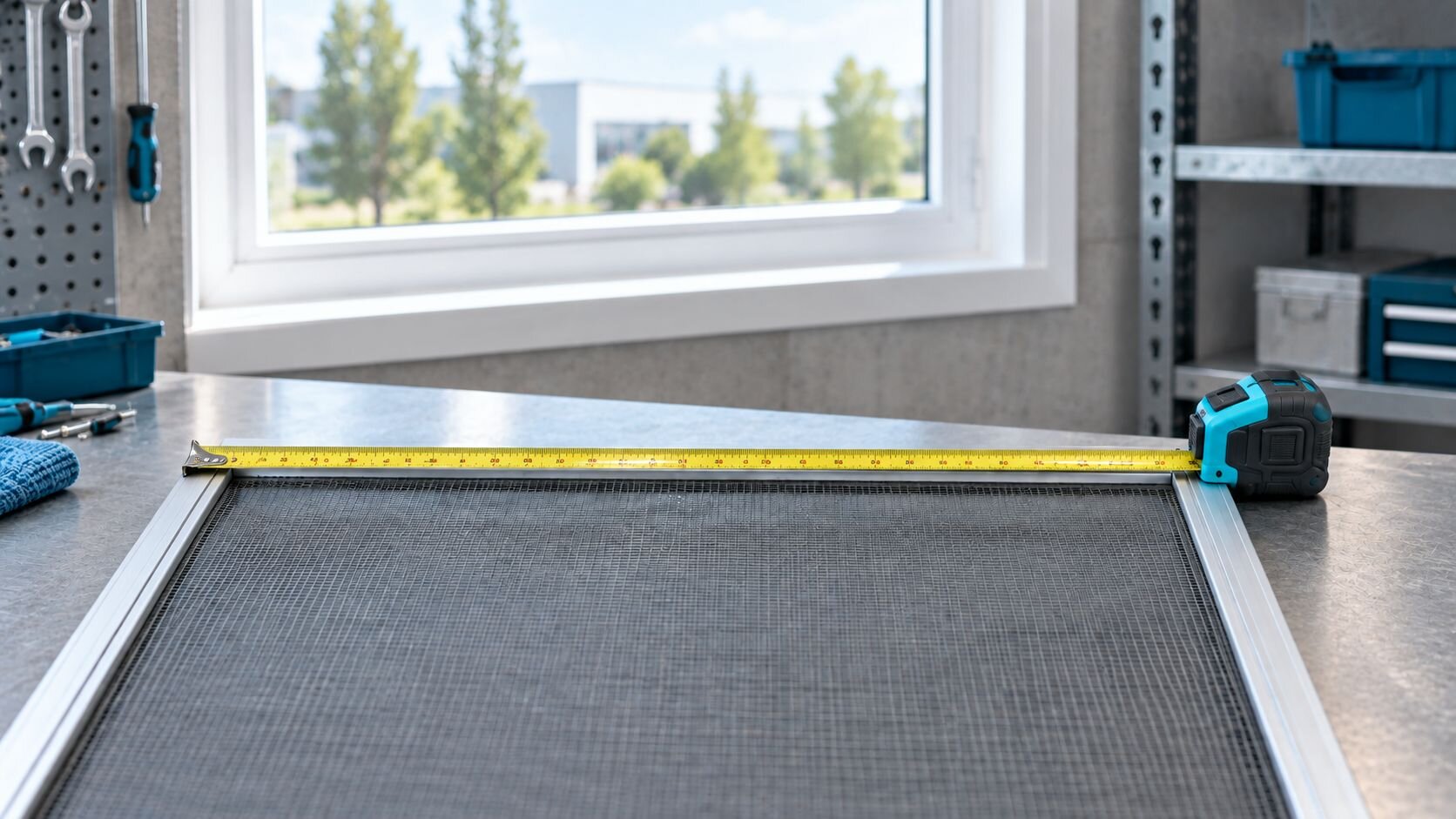
Table of Contents
When it’s time to replace a damaged or missing screen, accurate measurements help keep the process organized. Many business properties have windows that look alike but use slightly different screen frames, channels, or hardware. Measuring each opening individually helps prevent delays when ordering replacement screens. This guide explains how to measure a window screen, what to record, and why common window screen sizes may not fit every property.
Are There Standard Window Screen Sizes?
You’ll find a range of standard window screen sizes available from suppliers, but there is no universal size that fits every window. Window screen dimensions can vary based on the window manufacturer, frame material, channel design, and installation method. Even small differences can affect fit. A screen that is too large may not seat in its channel, while one that is too small can move within the opening or leave gaps around the frame.
Use a window screen size chart as a reference for available products, not as a substitute for measuring your specific window. For replacement screens, the dimensions of the existing screen or screen channel are what matter most.
What You’ll Need
Gather these tools before you begin:
- Tape measure
- Notepad
- Pen or pencil
- Phone or camera for hardware photos
- Flathead screwdriver, if needed to remove a screen
- Step stool or ladder for elevated windows
Measure to the nearest 1/16 inch. Avoid rounding measurements to the nearest whole inch or half inch.
Identify the Window Type First Before Measuring
The window style affects where the screen sits and which surfaces you need to measure.
| Double-hung | Single-Hung | Casement | Slider or Glider |
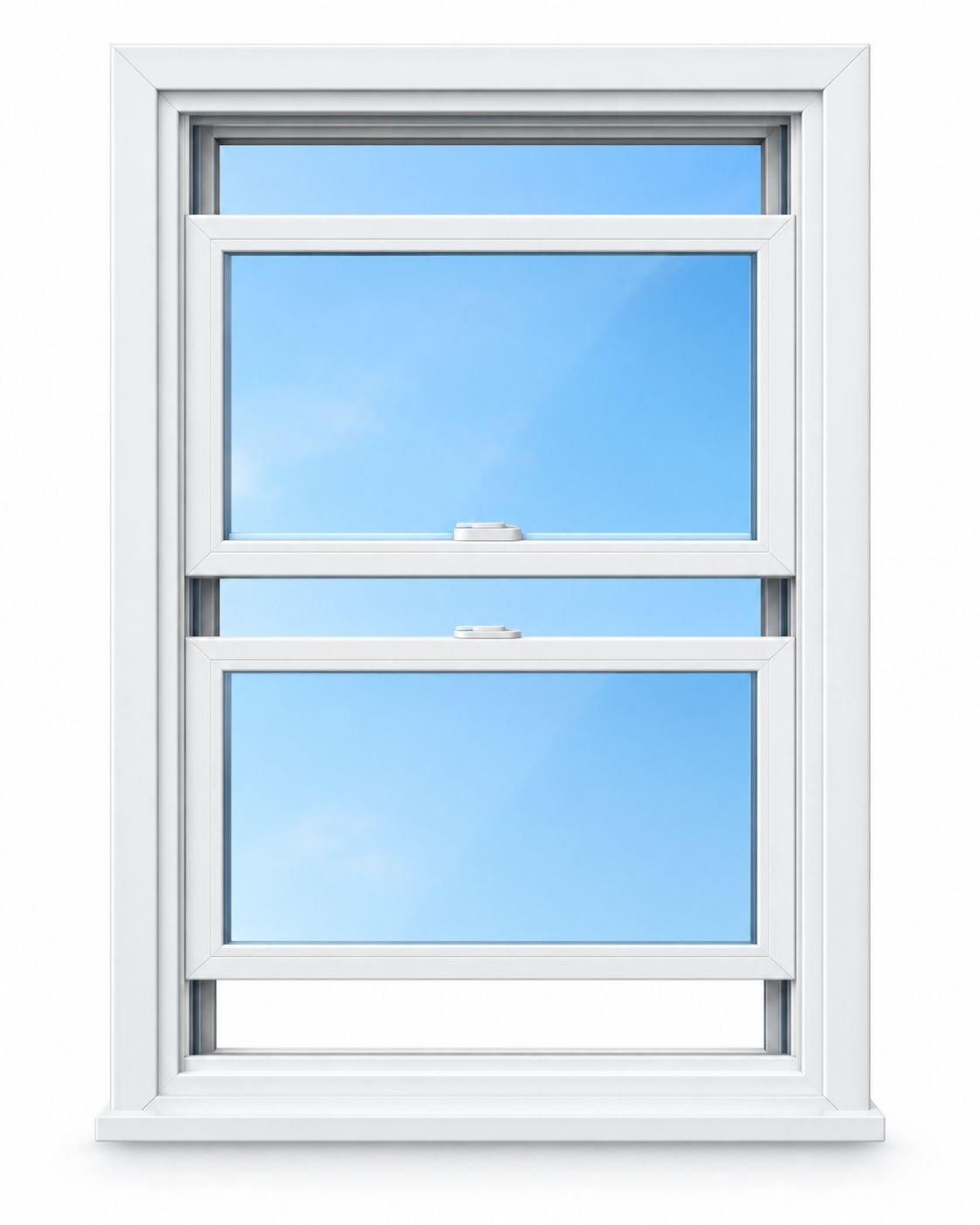 | 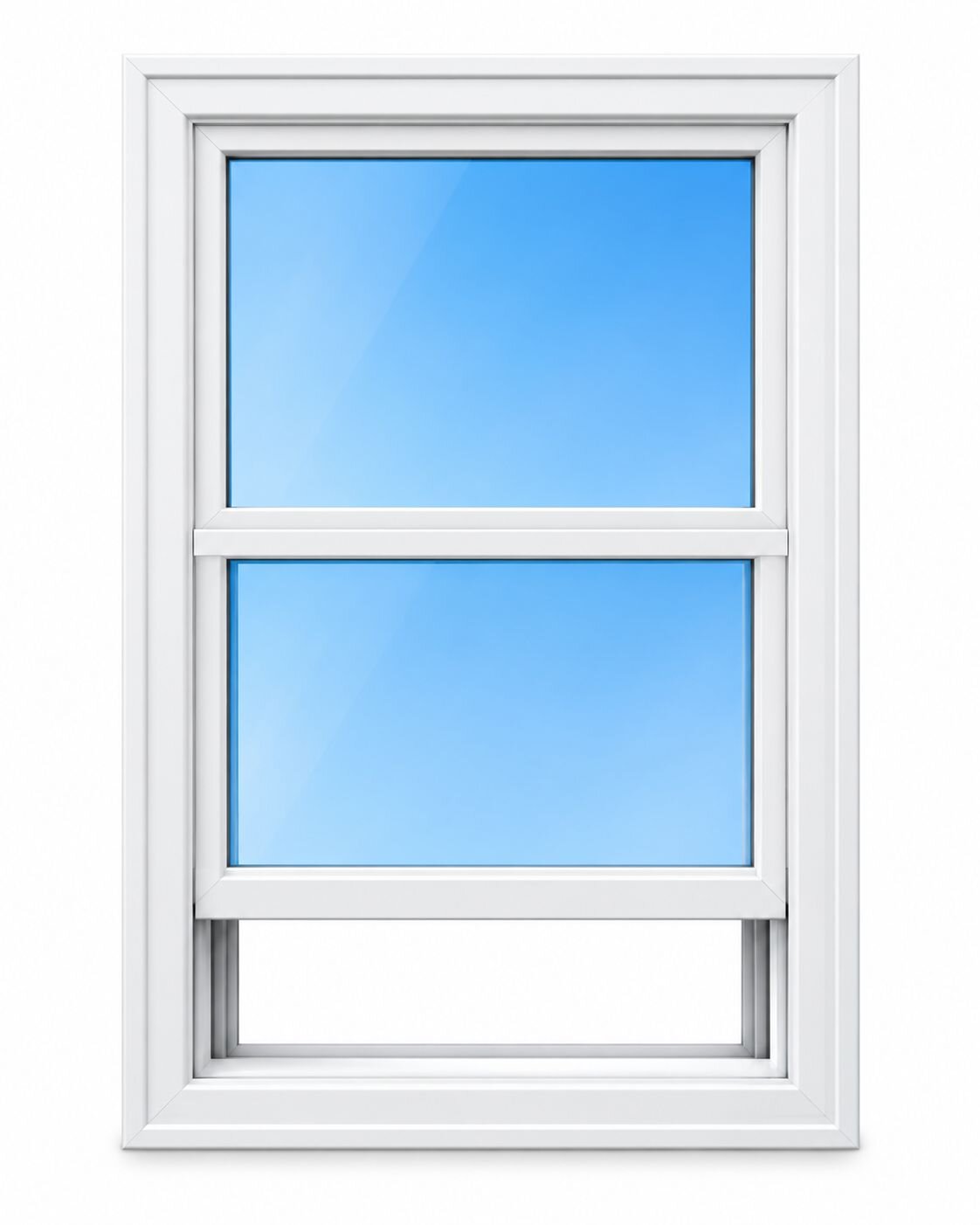 | 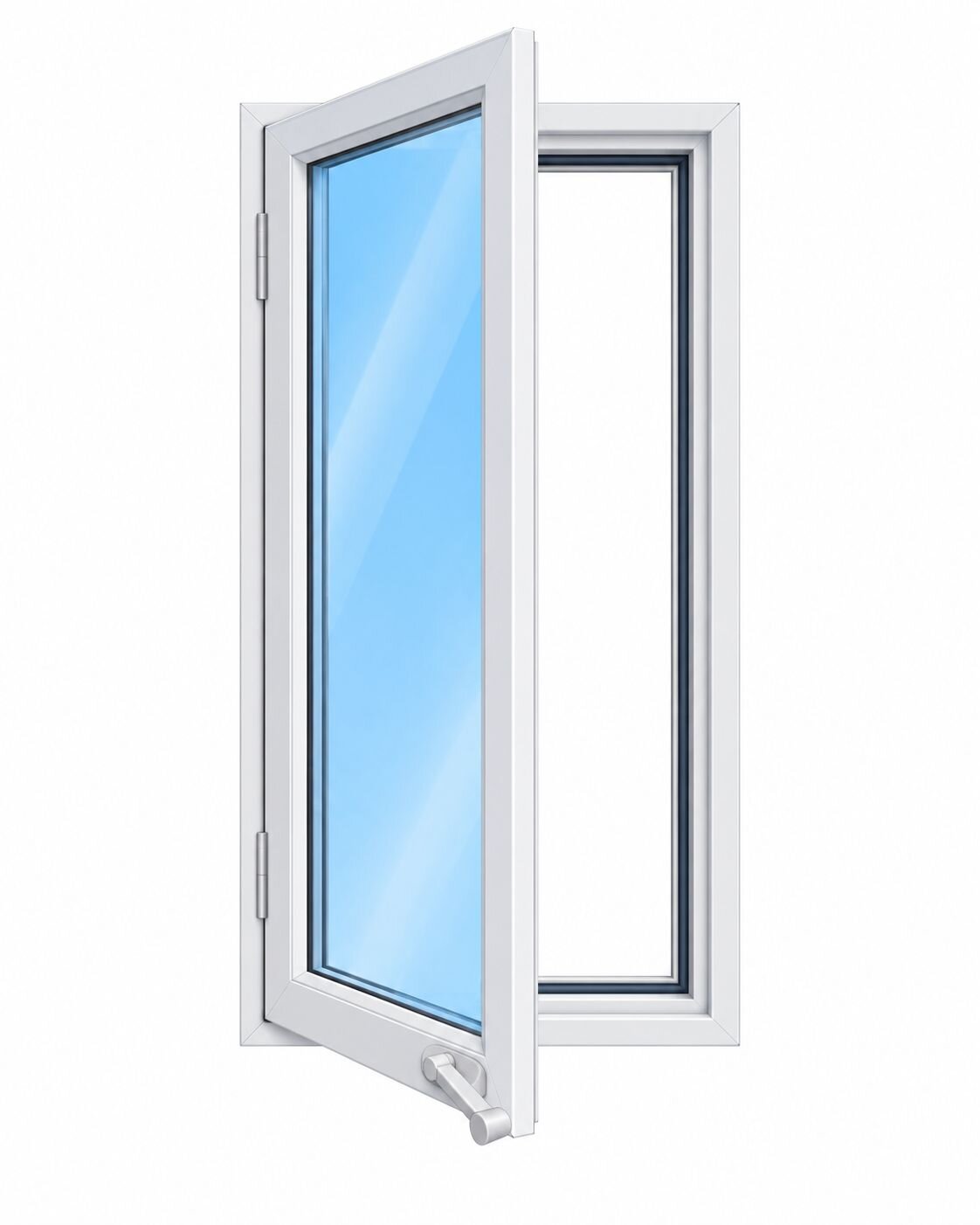 | 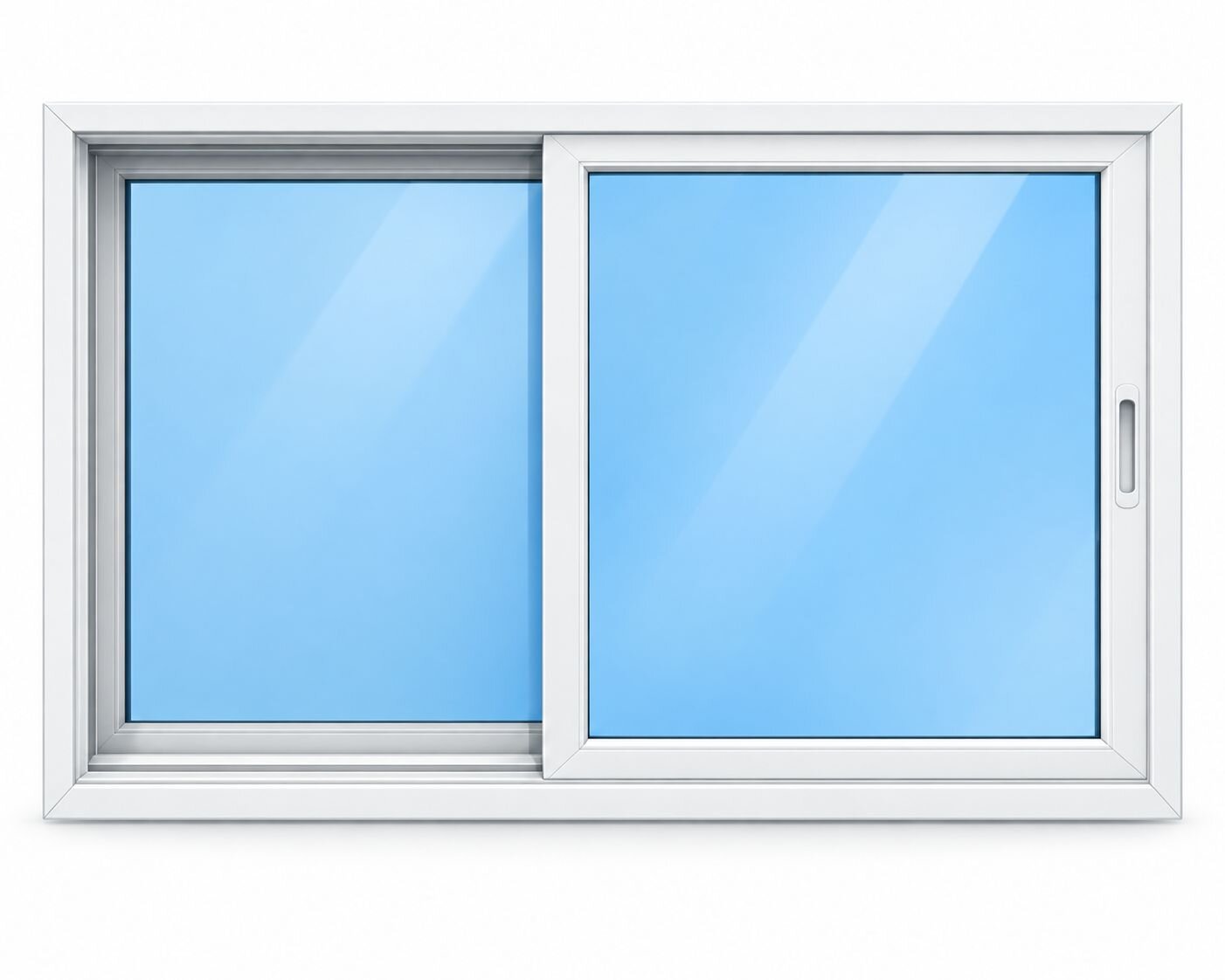 |
| Double-hung windows have two vertically stacked sashes that can slide up and down. Replacement screens commonly cover the lower portion of the window and may be held in place with channels, tabs, or other hardware. | Single-hung windows also have two vertically stacked sashes, but only the lower sash moves. The upper sash remains fixed. Screens typically cover the lower section and may stay in place year-round or be removed seasonally. | Casement windows are hinged along one side and crank outward to open. Their screens are generally mounted on the interior side of the window, so their frame style and dimensions can differ from hung or slider window screens. | Slider windows open horizontally along a track. One sash moves past the other, and the screen is typically tall and narrow to match the operable section. Screen placement and frame dimensions can vary by window design. |
| Awing | Adjustable or combination | Wicket | Full or fixed |
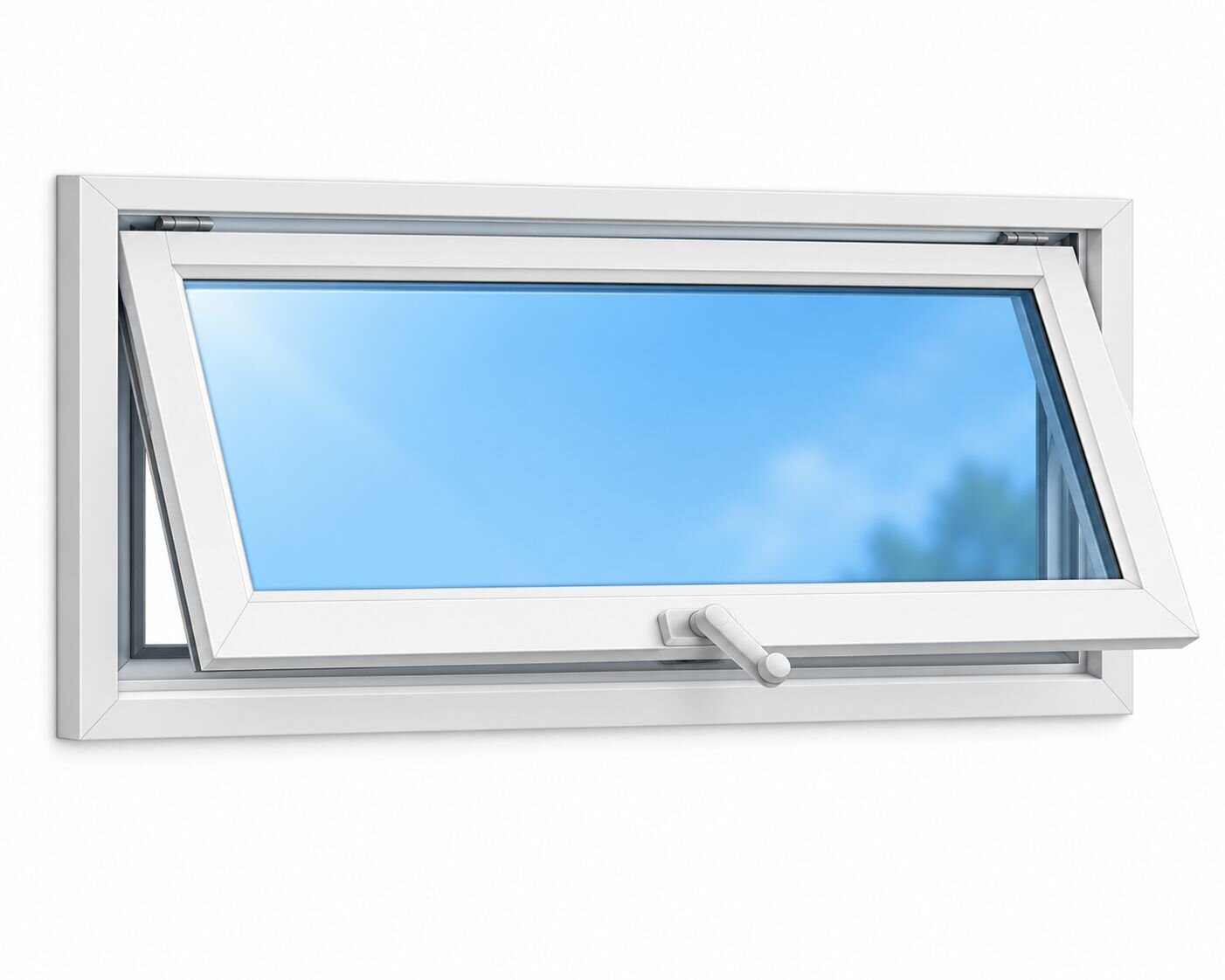 |  | 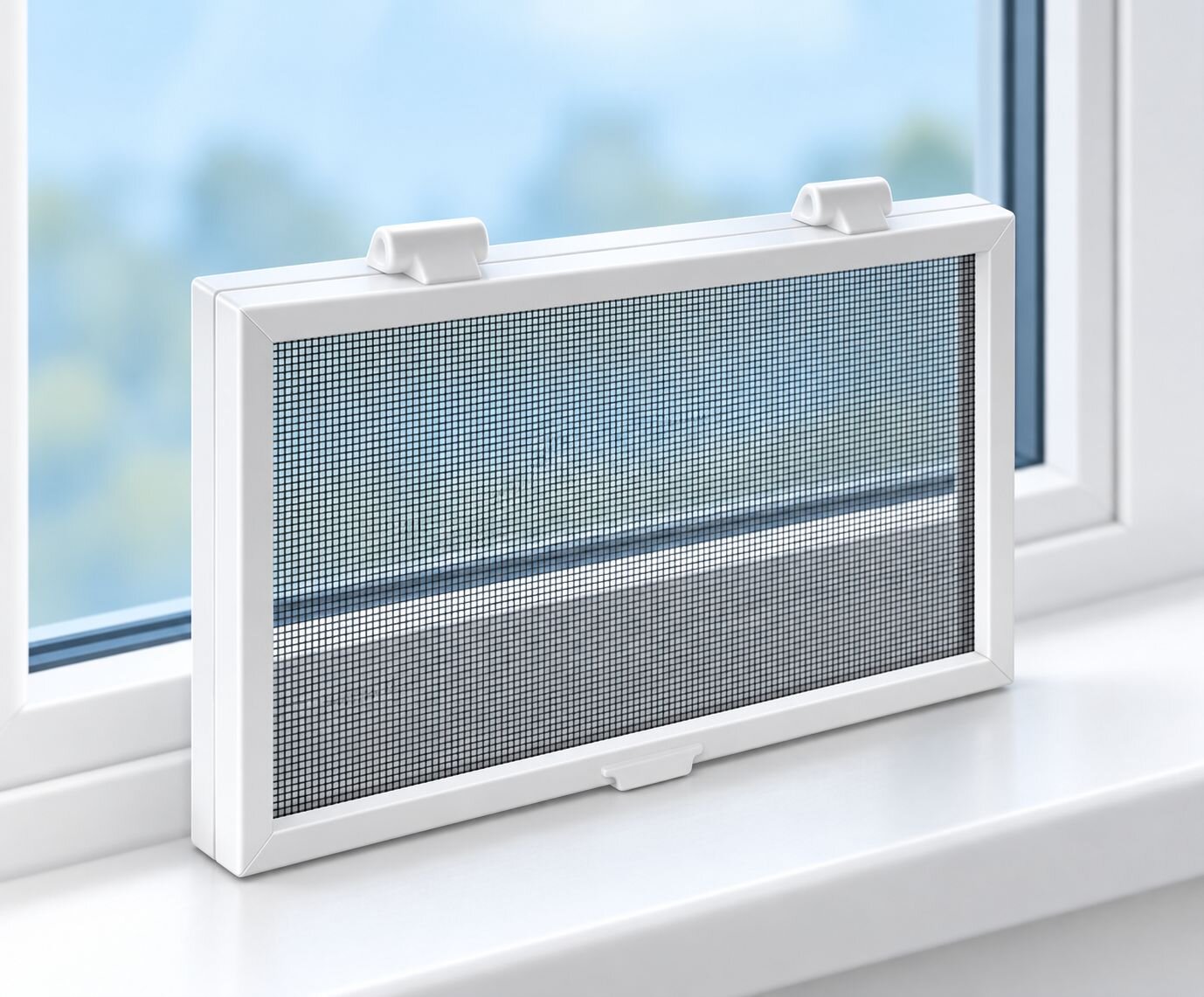 | 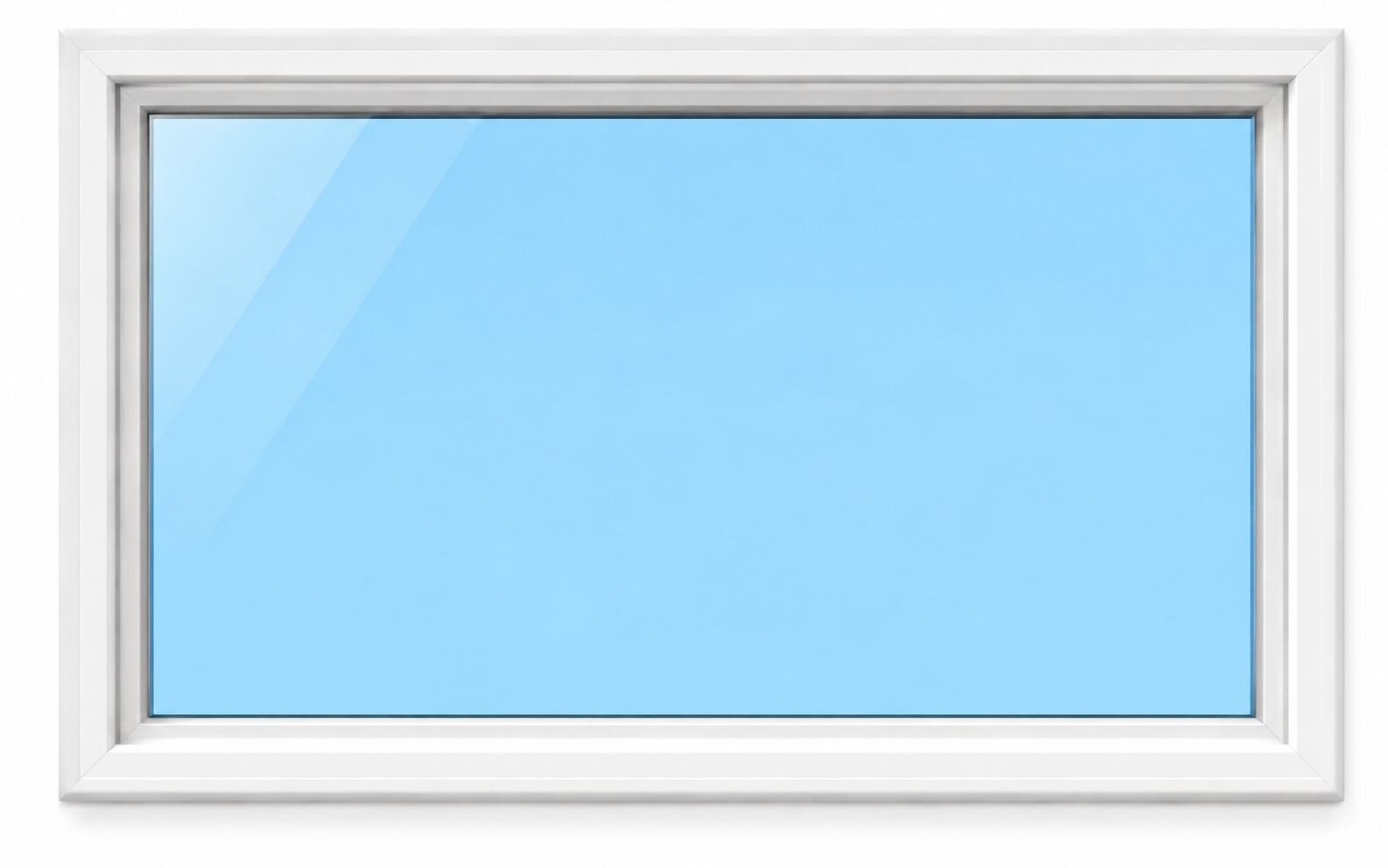 |
| Awning windows are hinged along the top edge and open outward from the bottom. They commonly use interior-mounted screens, and their compact horizontal dimensions can vary by window design. | Adjustable, or combination, windows combine multiple window sections in one unit. Because the configuration, screen placement, and dimensions can vary, measure each operable section separately before ordering a screen. | Wicket windows include a smaller operable panel within a larger fixed window. The screen typically fits only over the smaller operable section, not the entire window opening. | Full or fixed windows do not open and have one stationary glass area. When a screen is used for a ventilation system or another application, it generally covers the full opening and may require custom dimensions. |
How to Measure a Window Sizes
If you have an existing screen that fits properly and its frame is not bent or warped, measure the frame itself. This method provides the finished dimensions for the replacement screen.
Remove the screen carefully and lay it flat on a clean, level surface. Measure the outside edges of the frame, not the screen mesh.
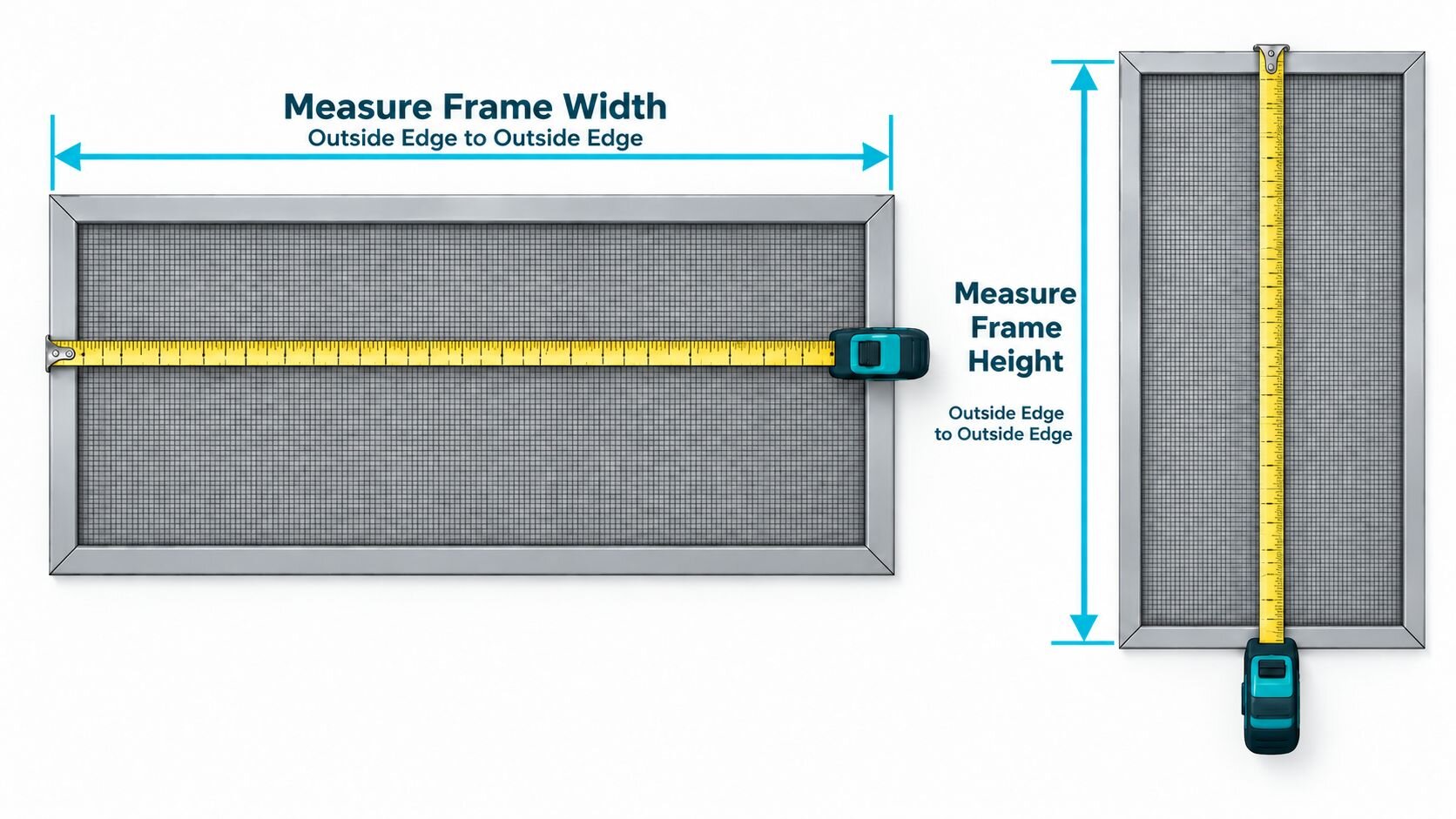
- Measure the width: Measure from the outside edge of the left side of the frame to the outside edge of the right side. Take this measurement at the top and bottom. If the measurements differ, record the smaller number.
- Measure the height: Measure from the outside edge of the top frame to the outside edge of the bottom frame. Take measurements on both sides. Use the smaller number if there is a difference.
- Measure the frame thickness: Measure the frame depth from front to back. This helps confirm that the replacement screen can fit within the existing channel or track. Record the information as: Width × Height × Frame Thickness
For example: 30 1/2 in. W × 48 3/8 in. H × 5/16 in. thick. Do not deduct clearance from measurements taken from an existing frame that already fits. Share the finished window screen dimensions with the supplier, along with your hardware notes.
How to Measure a Window Screen Opening Without the Old Screen
When the old screen is missing or too damaged to measure, measure the channel where the new frame will sit. Locate the screen channels or tracks on the top, bottom, and sides of the window. Many windows have one deeper channel that allows the screen to compress or slide into place during installation. Measuring the channels is often more precise than measuring only the visible opening.
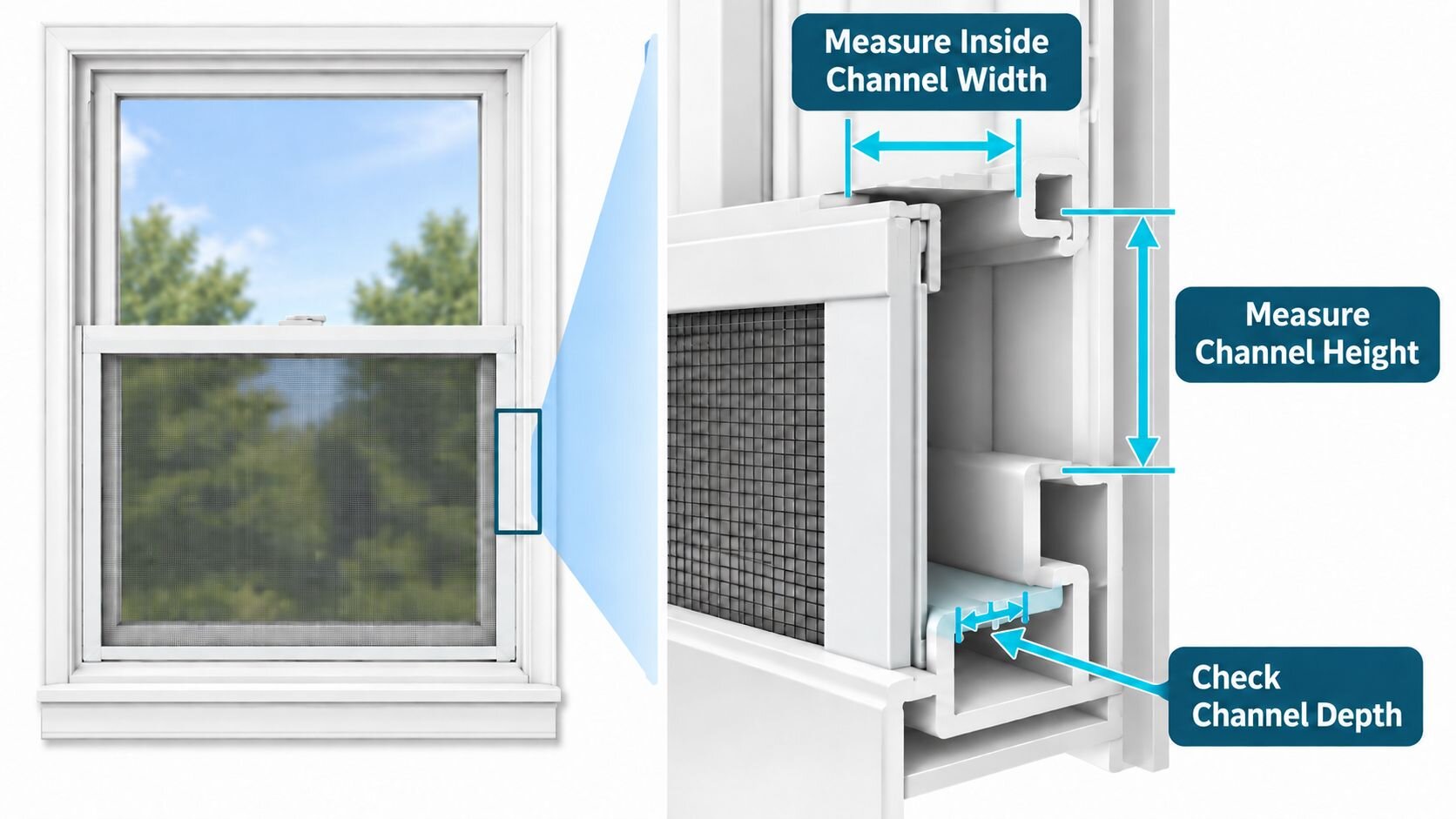
- Measure width and height: Measure the width from the inside edge or deepest point of one channel to the opposing channel edge. Keep the tape level and take readings at the top, middle, and bottom. Measure the height between the top and bottom screen channels. Take readings at the left, center, and right sides. For both dimensions, record the smallest measurement.
- Check frame and channel depth: Measure the depth available for the screen frame. This helps determine the thickness needed for the replacement. Some manufacturers specify a clearance deduction when ordering from channel measurements. That amount varies by window style and screen frame, so review the supplier’s instructions before adjusting your numbers.
Document Hardware Details
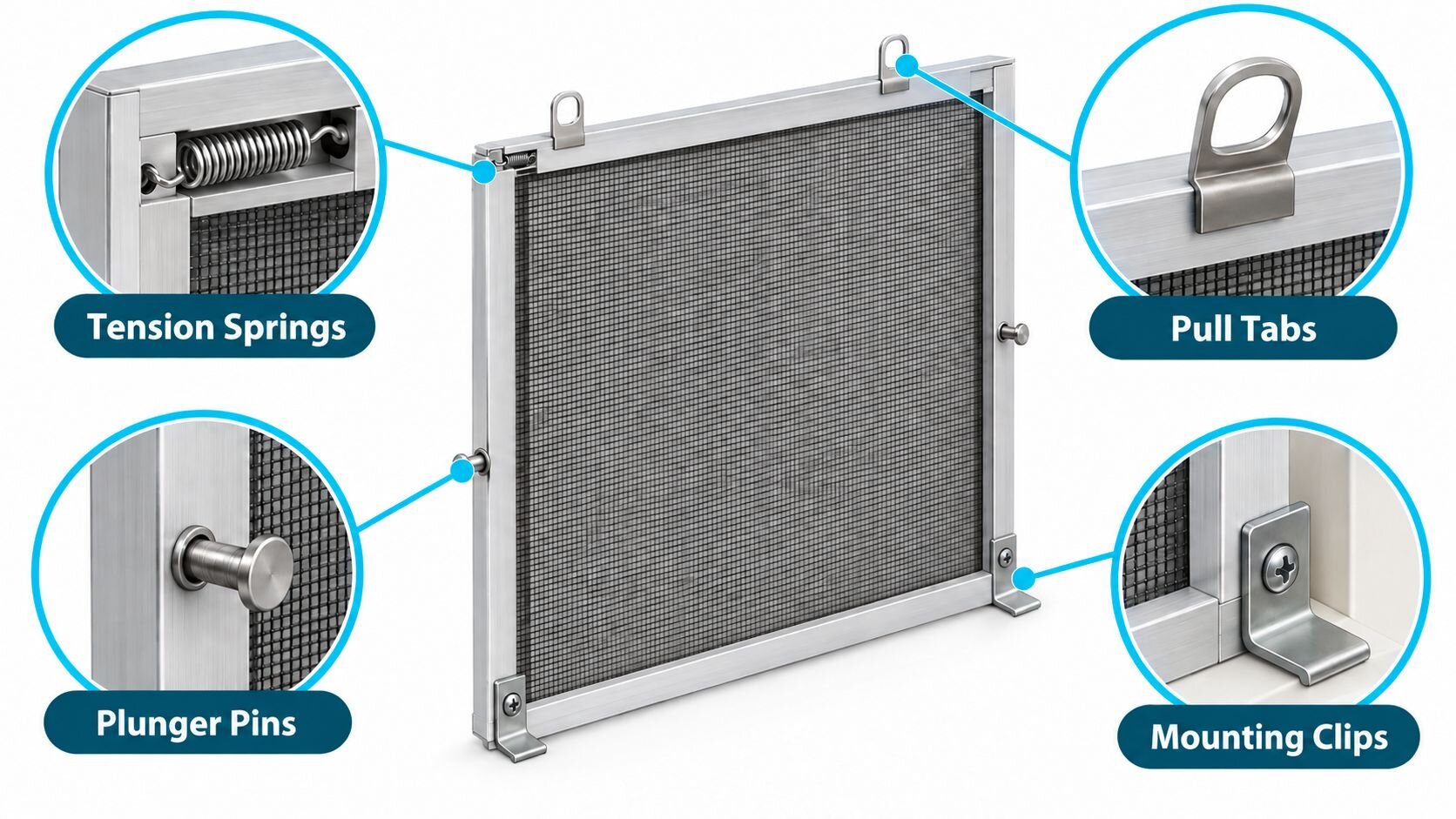
Window screen dimensions are only part of the order. Inspect the existing screen or nearby matching windows and document:
- Tension springs
- Pull tabs or lift tabs
- Plunger pins
- Mounting clips
- Hardware location, such as the top, bottom, or sides
- Frame color
- Mesh type
- Whether the screen mounts inside or outside the window
A clear photo of the screen and channel can help a supplier confirm the frame profile and hardware placement.
Common Measuring Mistakes to Avoid
Avoid these issues when ordering replacement screens:
- Measuring the mesh instead of the frame
- Measuring a bent or warped screen as though it were a reliable template
- Recording only one width and one height measurement
- Rounding measurements too broadly
- Skipping frame thickness or channel depth
- Assuming common window screen sizes will fit every opening
- Forgetting tabs, springs, clips, or their placement
- Applying a standard deduction without confirming supplier specifications
Window Screen Measurement Checklist
Before ordering, confirm you have:
- Width and height measurements to the nearest 1/16 inch
- Measurements from multiple points on each window
- The smallest recorded width and height
- Frame thickness or screen channel depth
- Notes and photos of hardware
- A label for each window’s location
- The supplier’s measuring and ordering instructions
Key Takeaways
Ready to order replacement screens? Measure each window individually, label your notes by location, and confirm the recorded dimensions and hardware details with your supplier. Then use those specifications to place a more organized replacement-screen order instead of relying on a standard size listing.
Product Compliance and Suitability
The statements contained in this guide are intended for general informational purposes only. Such statements do not constitute a product recommendation or representation as to the appropriateness, accuracy, completeness, correctness, or currentness of the information provided. Information provided in this guide does not replace the use by you of any manufacturer instructions, technical product manual, or other professional resource or adviser available to you. Always read, understand, and follow all manufacturer instructions. Portions of this article were generated in part by ChatGPT.
