


How to Choose Lockout Tagout Equipment That Meets OSHA Requirements
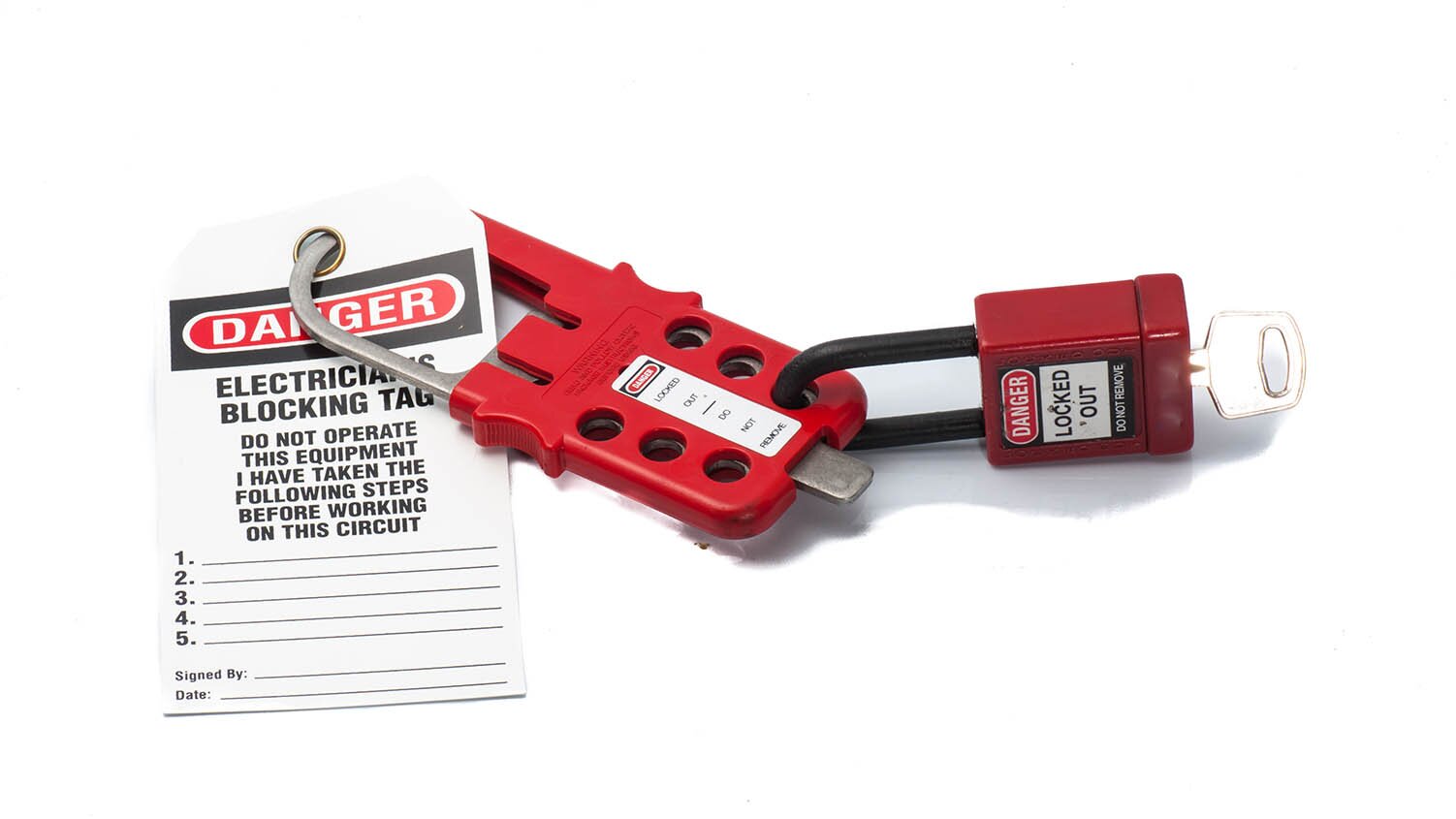
When you’re running a business, safety isn’t just a policy; it's a promise to protect your people, your equipment, and your operations. One of the most important steps in creating a safe workplace is following OSHA lockout tagout (LOTO) requirements. These standards make sure hazardous energy is controlled during servicing or maintenance, preventing serious injuries and downtime. This guide explains what lockout tagout is, the types of equipment available, and how to build a compliant LOTO system.
What Is Lockout/Tagout?
Lockout/tagout (LOTO) is a safety procedure that ensures machinery and equipment are properly shut off and cannot restart until maintenance or servicing is complete. It applies to energy sources such as:
- Electrical (circuit breakers, outlets, motors)
- Mechanical (moving parts, belts, gears)
- Hydraulic and Pneumatic (pressurized lines, valves)
- Chemical and Thermal (tanks, pipes, heat sources)
According to OSHA, compliance with standard 29 CFR 1910.147 prevents hundreds of fatalities and tens of thousands of injuries each year.
OSHA Lockout Tagout Requirements
For businesses, OSHA’s lockout tagout standard requires a structured program that includes both equipment and training. Key compliance points include:
- A written lockout/tagout program outlining procedures
- Training for all authorized employees
- Durable, standardized, and identifiable devices
- Use of both locks and tags together, when possible
- Group LOTO procedures (such as a group lock box) when multiple employees are involved
Quick Takeaway: Your lockout tagout program must cover equipment, training, and documentation to be fully OSHA compliant.
Lockout Tagout Supplies
Padlocks, Hasps, Tags, and ID
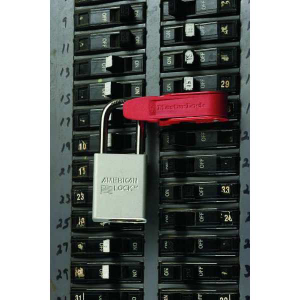
Start with the essentials when building your lockout/tagout system. Padlocks and hasps give your team a simple, dependable way to secure equipment that could pose a risk. Tags and clear identification make it easy to see what’s been shut off, what needs attention, and what’s ready to go. It’s a straightforward setup that helps everyone stay on the same page—and stay safe.
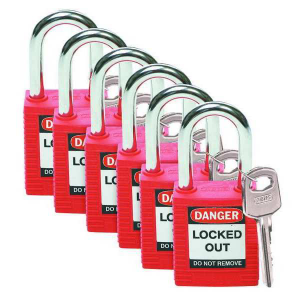
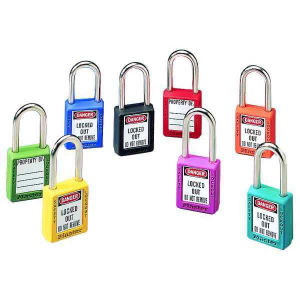

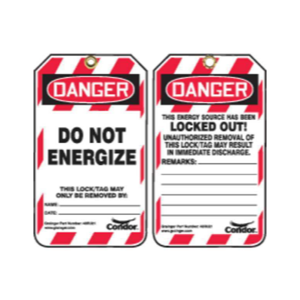
Lock Boxes, Lockout Kits, and More
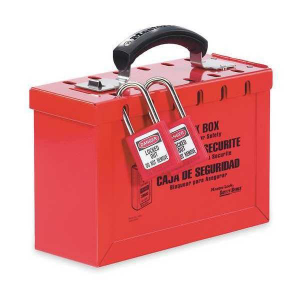
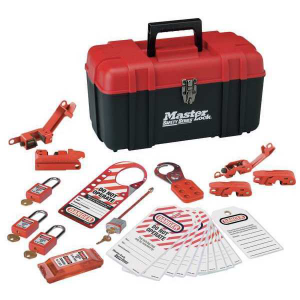
Keep building out your lockout/tagout system with practical tools like lock boxes, lockout kits, and more. These essentials help your team safely store keys and clearly mark equipment that’s out of service or under repair. It’s about making safety second nature so everyone knows what’s safe to use and what’s not.

Building a Compliant Lockout Tagout System
Every facility has different energy sources and workflows. Use these steps to build a compliant LOTO system.
- Identify all energy sources in your workplace.
- Determine who performs maintenance and what tools they need.
- Assess existing controls, such as circuit breakers or valve systems.
- Plan for group lockouts when multiple employees service equipment.
- Select compatible components, like kits, lock boxes, or specialty devices.
Pro Tip: All devices should be durable, standardized, and easily identifiable to avoid confusion.
Training and Procedures Matter Too
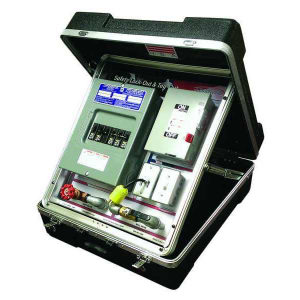
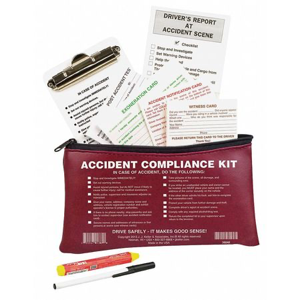
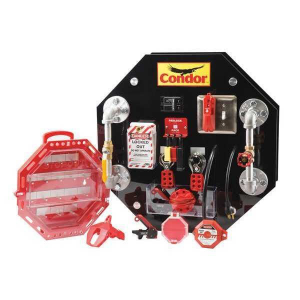
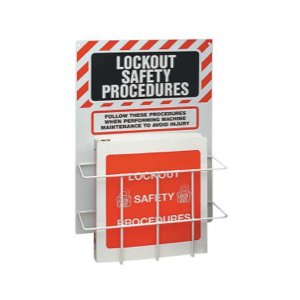
A solid lockout/tagout program starts with the right gear, but it doesn’t stop there. Everyone who works with or around hazardous equipment needs clear, hands-on training. With easy-to-use training systems and accident compliance kits, you can help your team understand the steps, stay compliant, and look out for one another every day.
Lockout Tagout Compliance Checklist
Here’s a quick reference checklist for small businesses. Make sure that:
- A written lockout/tagout program is in place.
- Employees are trained on procedures.
- OSHA-compliant locks, tags, and devices are available.
- A group lock box procedure is defined.
- Regular audits of your LOTO program are conducted.
Final Thoughts
Staying compliant with OSHA lockout tagout requirements isn't just about avoiding fines; it's about protecting your team. As a small business, you know every person counts. The right lockout tagout equipment helps you keep your operations running smoothly and your people safe. Whether you're investing in electrical lockout kits, group lock boxes, or full lockout tagout kits, it pays to keep your safety procedures as organized as the rest of your operation.
Product Compliance and Suitability
The product statements contained in this guide are intended for general informational purposes only. Such product statements do not constitute a product recommendation or representation as to the appropriateness, accuracy, completeness, correctness, or currentness of the information provided. Information provided in this guide does not replace the use by you of any manufacturer instructions, technical product manual, or other professional resource or adviser available to you. Always read, understand, and follow all manufacturer instructions.
