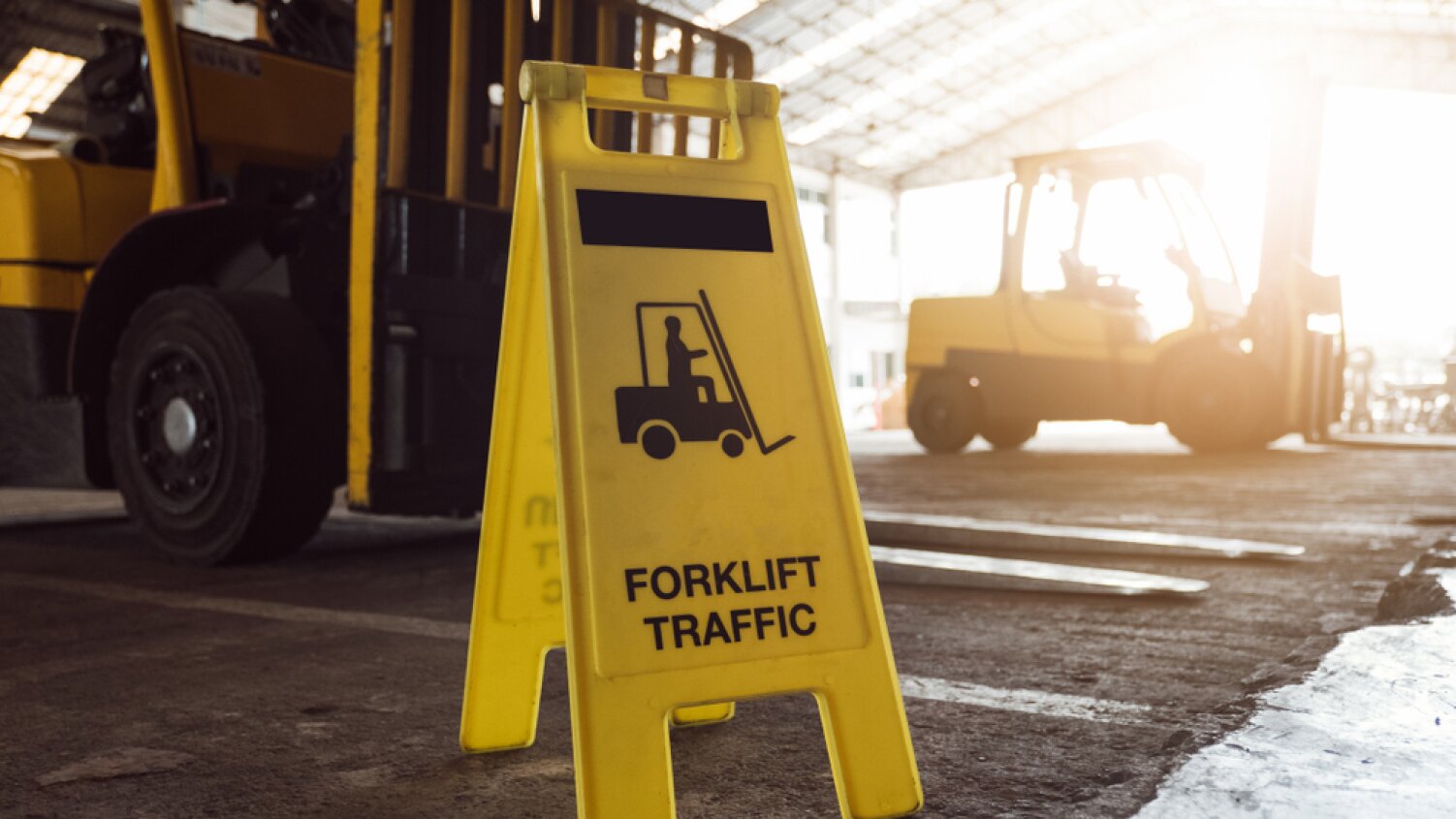
Safe Lifting Strategies for Small Business Owners
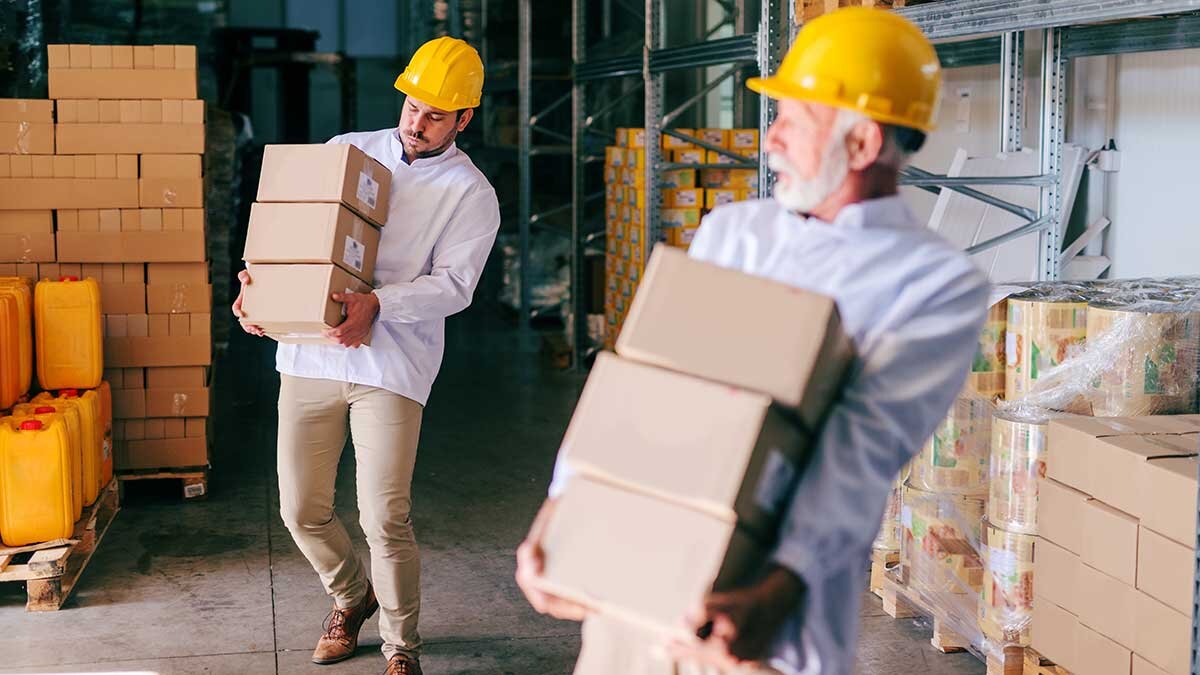
Heavy lifting of large items and loads is one of the leading causes of injury in the workplace. From overexertion to the cumulative effects of days and hours spent lifting heavy items, improper lifting and unsafe conditions can lead to shoulder injuries, back pain, and high costs for treatment and recovery.
However, solutions are available. Beginning with smart lifting practices that emphasize techniques like planning ahead, diagonal lifting, and using the power zone, you can educate your team about proper lifting to greatly reduce the risk of injury. In addition, you should take steps to reduce the strain on your employees, like providing proper PPE, requiring regular breaks and rotations in the workplace, reducing the size of each item or container, and others.
Here's everything you need to know about promoting safe lifting practices in the workplace to cut down on injuries and accidents.
Before Your Team Lifts
Before lifting any object, it’s crucial to plan ahead. Start by evaluating the weight, size, and shape of the item to determine if you can safely lift it on your own or if assistance (from a person or tool) is necessary. Knowing your limits is key to avoiding strain or injury.
Once you've assessed the load, clear the path where you’ll be moving the object, removing any obstacles or tripping hazards. Check for debris and slick surfaces that could lead to slipping, too. Ensuring a safe, unobstructed route can help prevent accidents and make the process smoother and more efficient.
Basic Diagonal Lifting Technique
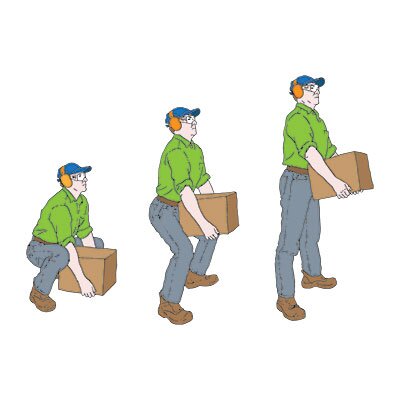
Use the diagonal lifting technique to reduce strain and injury risk when lifting large objects.
Start by getting as close as you can to the item you're lifting, using a wide stance with one foot forward and the other to the side of the item. Bend your knees, keep your back straight, use your legs to lower yourself, and grasp the item firmly with two hands. Finally, use your legs, hips, and core to lift the item, keeping the item close to your body and your back straight as you go up.
Effective Lifting Solutions for Heavy Equipment Handling
 |
 |
 |
 |
|---|
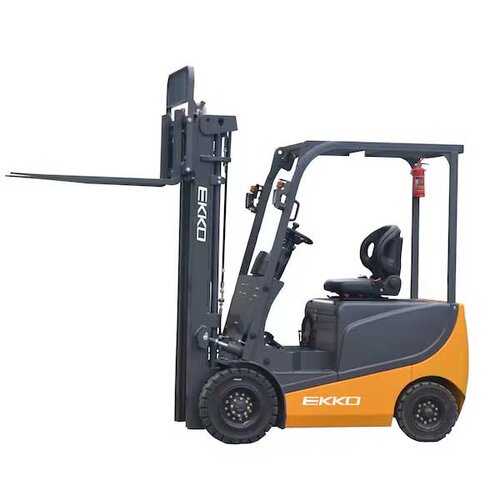
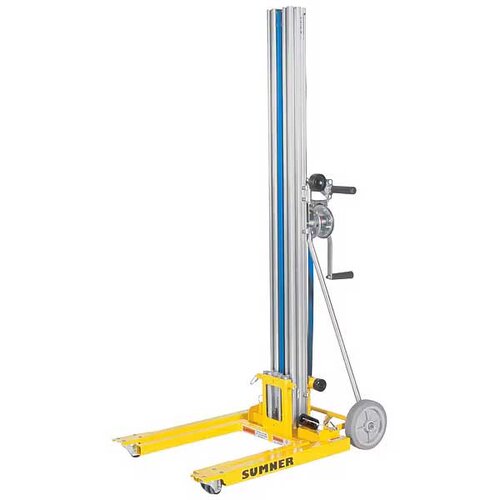
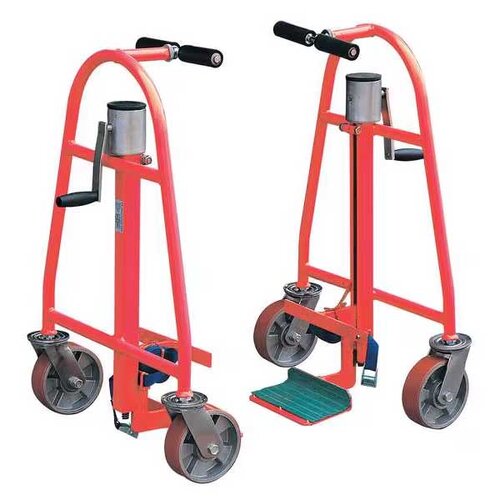
- Use mechanical solutions (e.g., forklifts and duct lifts) when available to lift heavy equipment and machinery.
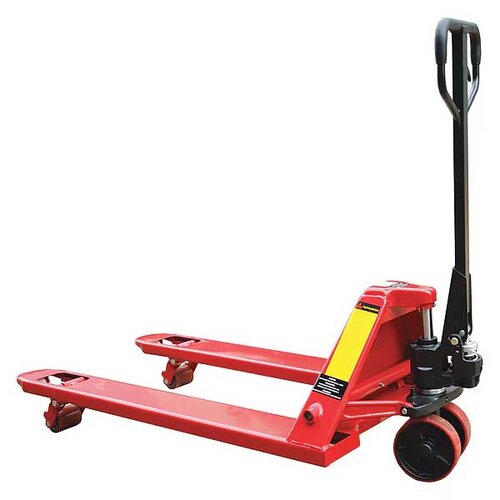
- Move heavy items with help from pallet jacks and hand trucks.
- Suction devices can help with lifting if the items have smooth, flat surfaces.
- Instead of lifting items into trucks, use ramps when available.
- Make use of your power zone and practice safe lifting techniques. Bend your knees and keep your back straight when lifting.
- Keep injuries (and dropped items) to a minimum with proper PPE and high-quality gloves.
- Consider your handholds. If you can't get a good grip on something, you might want to move it to a container with better handholds.
- Make sure you have mechanical lifts that can be used when working with heavy items in manufacturing and fabrication.
- For loads over 50 pounds, plan on using two or more people to carry the item.
Smart Strategies for Effective Employee Management
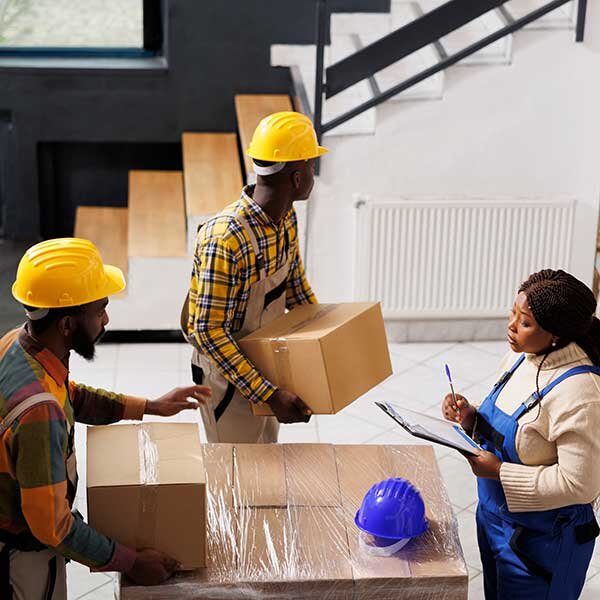
- Use teams to work together and delegate tasks. Separate multiple tasks or use more than one person for heavy lifting.
- Rotate employees to different tasks to reduce repetitive injury risk.
- Make sure your team is taking regular breaks. Longer jobs should be broken up into segments to reduce injury risk.
- Whenever possible, assemble items ahead of time to reduce extra carrying and injury risk.
- Make sure your team is adequately protected from the risks of cold and hot weather. Hydrate appropriately, especially in hot conditions.
- Provide adequate lighting for visibility, which will further reduce your injury risks.
Optimize Supplier Relationships for Efficient Operations
- Reduce injury risks and boost safety with a more efficient operation.
- Order small quantities and ask for larger loads to be broken down or segmented so that each load is lighter.
- Request smaller or lighter containers (with adequate handholds) whenever possible.
Lifting heavy items is a common source of workplace risk and can lead to serious injuries. Fortunately, by following these guidelines and focusing on safe lifting techniques on the job, you can greatly reduce this risk for your team members. From learning proper techniques to taking breaks and wearing PPE, there are many steps you can take to ensure your team is able to get the job done while remaining healthy and meeting OSHA regulations.
Shopping for lifting solutions, PPE, and other equipment for heavy lifting on the job? Find everything you need to get the job done at Zoro.com!
Product Compliance and Suitability
The statements contained in this guide are intended for general informational purposes only. Such statements do not constitute a product recommendation or representation as to the appropriateness, accuracy, completeness, correctness, or currentness of the information provided. Information provided in this guide does not replace the use by you of any manufacturer instructions, technical product manual, or other professional resource or adviser available to you. Always read, understand, and follow all manufacturer instructions.