Strapping Machine Guide: Manual, Semi-Automatic and Automatic Options
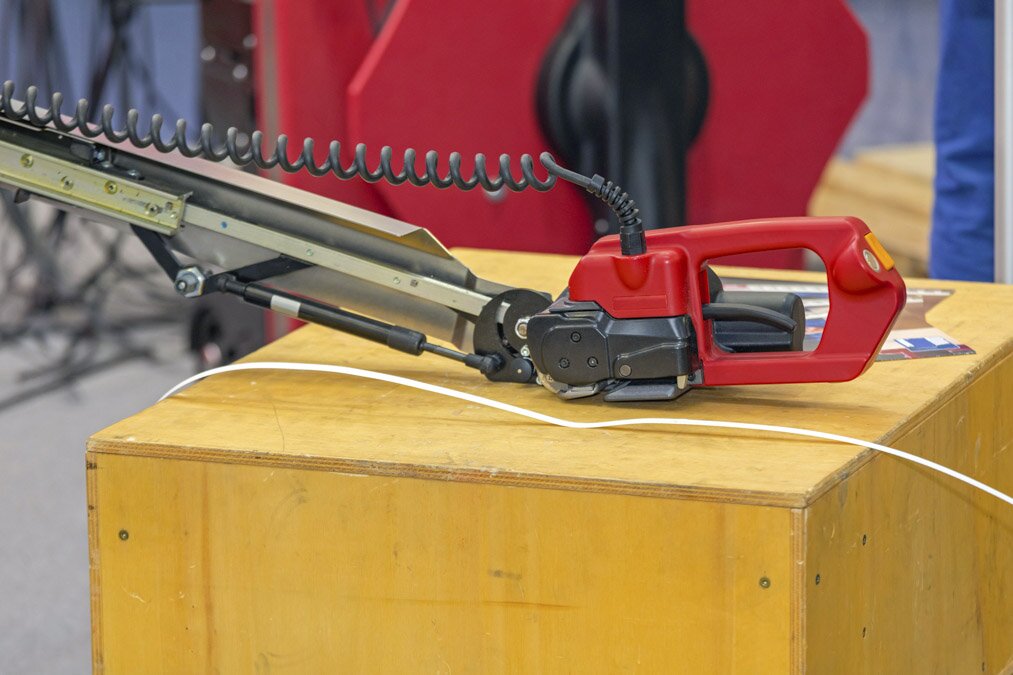
A strapping machine wraps a tensioned band of plastic or steel strap around a carton, bundle or pallet load and seals the ends to help hold it together for handling, storage and shipping. Options range from manual hand tools to semi-automatic tabletop machines to an automatic strapping machine built into a packaging line. The right choice depends on your load, your volume and the space you have. Warehouses, distribution centers, manufacturers and shipping departments all use strapping. But the equipment that makes sense for a small shipping room looks very different from what a high-volume packaging line needs. A hand tool can work well for occasional jobs, while a semi-automatic or automatic machine may be a better fit when cartons are moving all shift long. This guide walks through the main types of strapping equipment, how they compare and what to check before you buy, so you can match the machine to the work you actually do.
What Is a Strapping Machine?
A strapping machine applies a band of strap around a package or load to help secure it. Most strapping equipment, whether handheld or fully automated, carries out the same four steps:
- Feed: The strap is wrapped or guided around the package.
- Tension: The strap is pulled snug to the set tension.
- Seal: The strap ends are joined, typically with heat, friction or a metal seal.
- Cut: The excess strap is trimmed off.
The difference between equipment types is how many of those steps the operator does by hand and how many the machine handles. Keep in mind that strapping is one part of a packaging method, not the whole thing. Load design, strap placement, product characteristics and carrier requirements all play a role in how well a load holds up in transit.
Types of Strapping Machines
Manual strapping tools
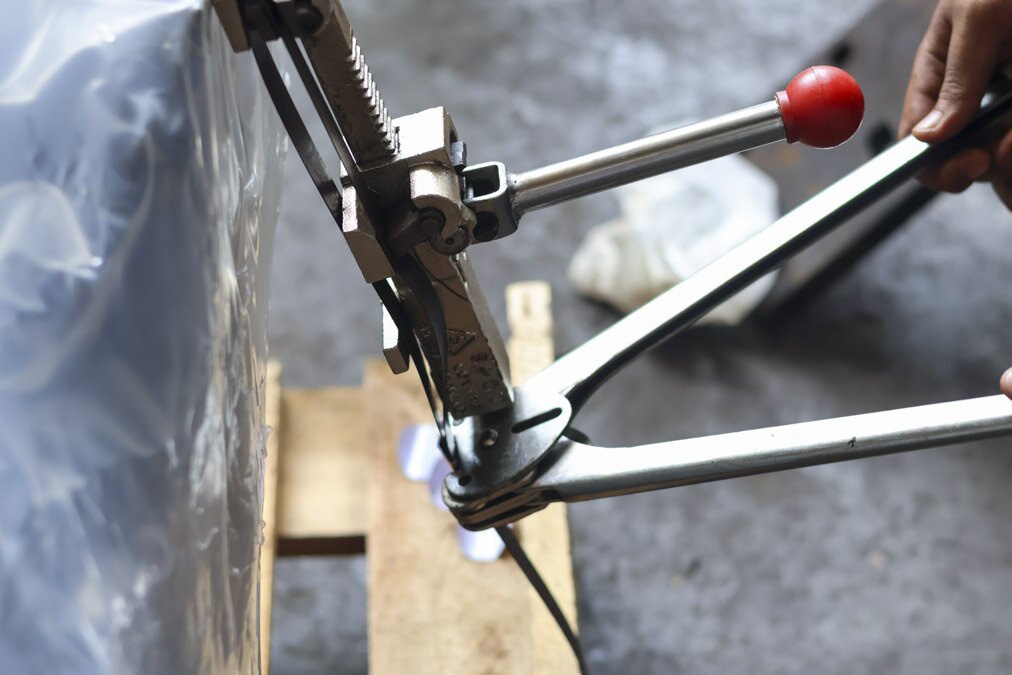
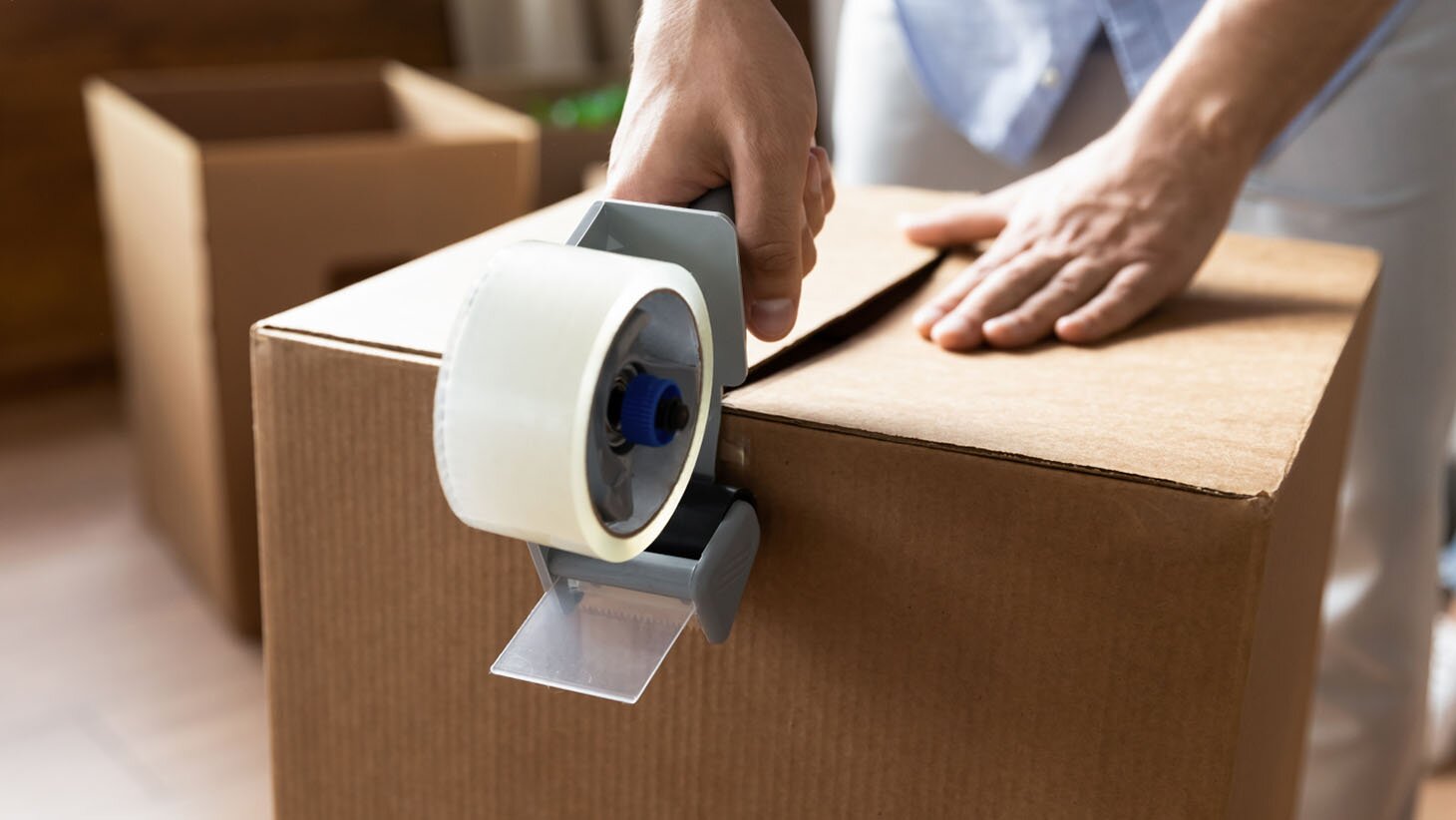
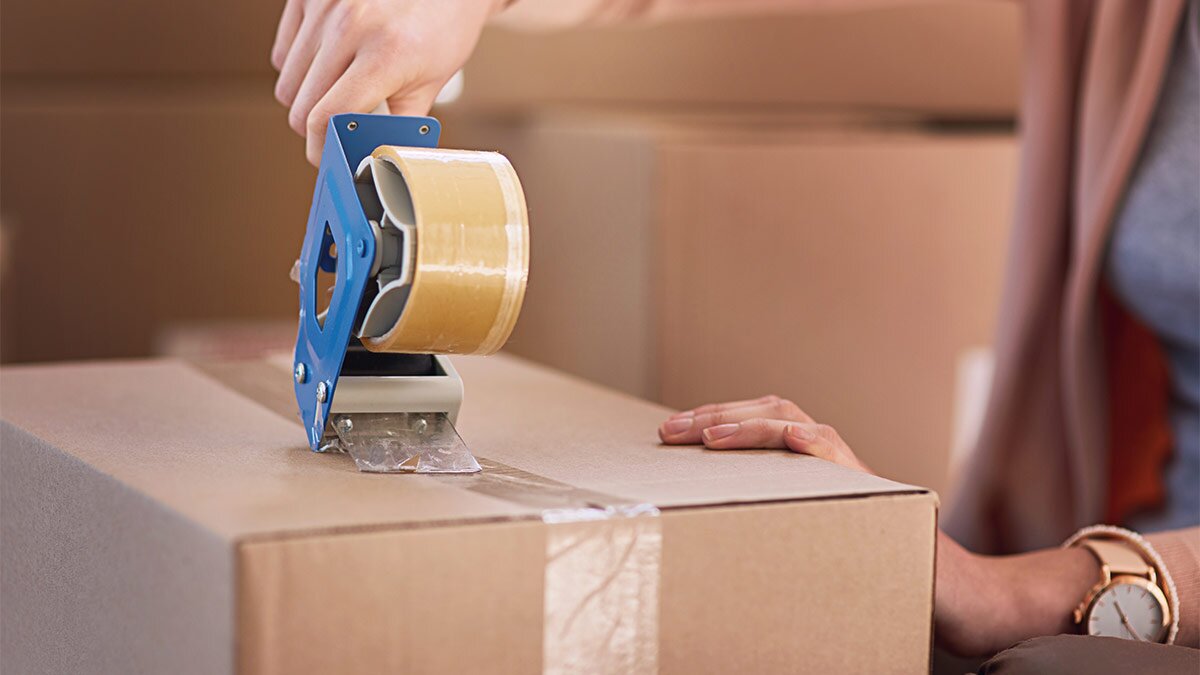
With manual strapping tools, the operator does most of the work: wrapping the strap, tensioning it with a hand tensioner and securing the ends with a seal, buckle or sealer. Some battery-powered handheld tools combine tensioning and sealing in one unit.
Manual tools can make sense for low-volume work, oddly shaped packages, field jobs or spots where a powered machine isn't practical. They also give you flexibility when package sizes change a lot from one job to the next. The trade-off is operator effort and time per package.
A manual tool may fit when:
- You strap occasionally rather than all shift.
- Package sizes or shapes vary widely.
- Operators need to move around a large or irregular load.
- Space or utilities make a powered machine hard to install.
Before you choose one, look at the effort the tool requires, how it tensions and seals, which strap materials it accepts and how much training your team will need.
Semi-automatic strapping machines
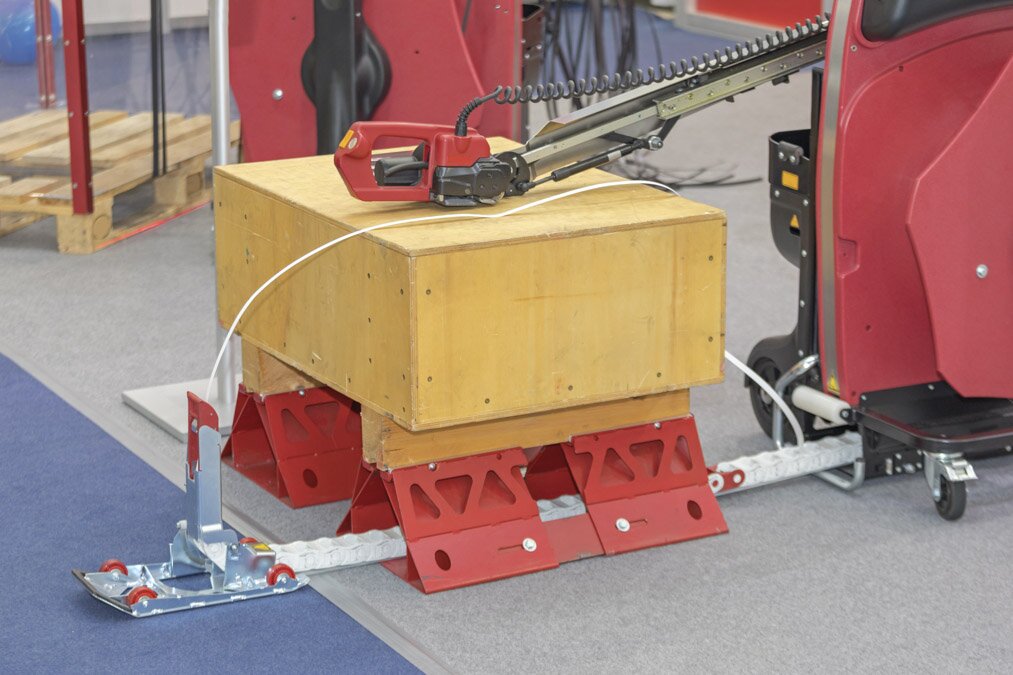
A semi-automatic strapping machine, often a tabletop unit, handles part of the cycle while the operator positions the package and feeds or starts each strap. On many models, the operator places the strap end into the machine, which then tensions, seals and cuts it.
These machines are common in shipping departments and production areas that strap a steady flow of cartons but don't need a fully automated line. They can reduce repetitive hand work and make results more consistent, though operators still load each package and follow the machine's operating procedure.
A semi-automatic machine may fit when:
- You strap cartons regularly throughout the shift.
- Package sizes fall within a predictable range.
- Operators can work at a dedicated station.
- You want fewer manual steps without automating the whole line.
Automatic strapping machines
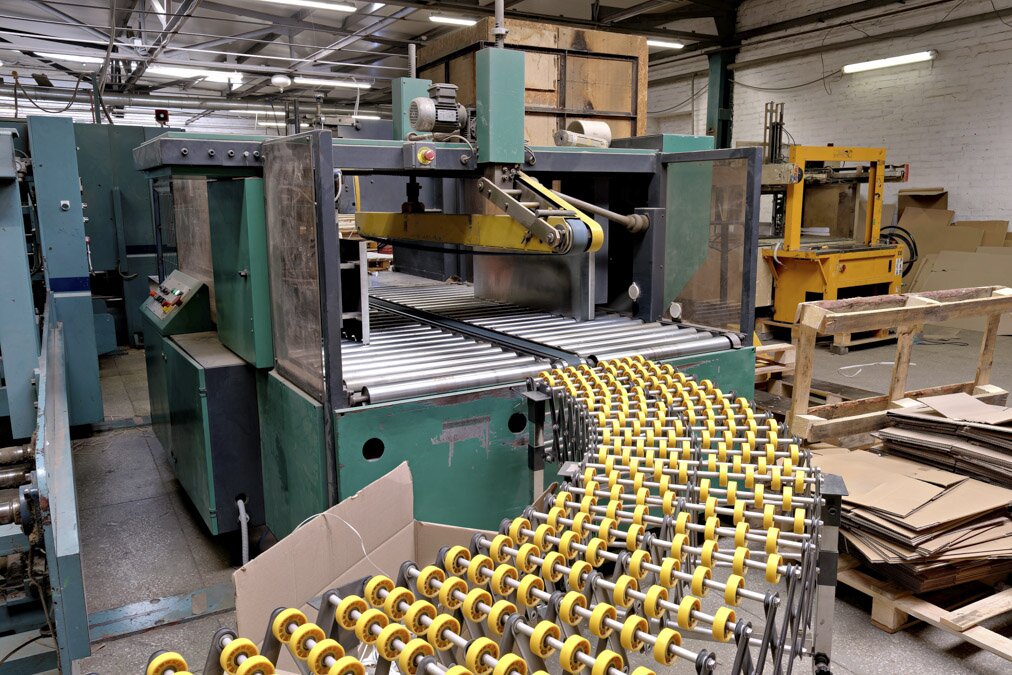
An automatic strapping machine runs the full cycle (feed, tension, seal and cut) with little operator input once the package is in position. You'll find more on how they work in the next section.
An automatic machine may fit when:
- Your volume is high or your schedule depends on steady throughput.
- Package sizes and strap patterns are fairly standard.
- Your facility can support installation, utilities and maintenance access.
- Cutting repetitive operator tasks is a priority.
- The machine can connect with the equipment before and after it in your line.
Pallet strapping equipment
Pallet strapping equipment is built for palletized loads and larger packages. Options include handheld tools, mobile units, vertical strapping machines and systems that connect to pallet-handling equipment.
When comparing options, look at pallet dimensions, load height, package shape, the strap path, whether you can reach all required sides and how the pallet will be positioned during strapping.
A carton strapping machine usually isn't built for pallet loads, so check the model's maximum dimensions and intended use before you buy.
What Is an Automatic Strapping Machine?
An automatic strapping machine feeds, tensions, seals and cuts the strap with little operator input once a package is in position. Many use an arch that the package passes through, and some connect to conveyors so cartons move in and out without being handled.
The level of automation varies by model. Some machines still need an operator to place each package and press a start button or foot pedal. Others sense the package and start the cycle on their own, and some are built to integrate with conveyors and other packaging equipment.
An automatic strapping machine is typically used where volume is high and package sizes are fairly consistent. Because it's usually part of a larger workflow, plan for:
- Package flow: How cartons arrive, get positioned and move on afterward.
- Controls: How the machine communicates with nearby equipment and how it's stopped for service, per the manufacturer's instructions.
- Space: Room for the machine, strap coils and maintenance access.
- Utilities: Power and any other utility requirements listed on the model's spec sheet.
Specific features vary by model, so confirm the specifications for your application before you commit.
Manual vs. Semi-Automatic vs. Automatic Strapping Machines
| Factor | Manual | Semi-automatic | Automatic |
| Operator involvement | High: the operator does most steps | Shared: the operator positions and feeds; the machine tensions, seals and cuts | Lower for automated steps; varies by model |
| Typical applications | Occasional or varied jobs | Regular carton strapping at a workstation | High-volume, standardized packaging lines |
| Package variation | Often flexible, within tool and strap limits | Within the machine's supported size range | Within the machine's configured range |
| Installation | Little or no dedicated setup | Workstation space and power | More installation and integration planning |
| Throughput drivers | Operator speed and workflow | Machine cycle and package handling | The full line, package flow and system design |
| Maintenance | Tool inspection and part replacement | Machine and tool upkeep | Machine, controls, integration and service needs |
Strapping Materials and Key Terms
Strapping equipment is designed around specific strap materials and sizes, so it helps to know the basics before you compare machines.
| Material | What it is | Typical applications |
| Polypropylene (PP) | Lightweight plastic strap | Cartons, light bundles, general shipping |
| Polyester (PET) | Stiffer plastic strap | Heavier cartons and many palletized loads |
| Steel | Metal strap | Heavy or rigid loads, such as steel coils, metal bundles or bricks |
Use only the strap material, width and thickness that your machine or tool is rated for.
Terms you'll see on spec sheets:
- Arch: The frame on many automatic machines that guides the strap around the package.
- Tension range: How tightly the machine or tool can pull the strap.
- Joining or sealing method: How the strap ends are connected, such as a heat seal, friction weld or metal seal and crimp.
- Strap width and thickness: The strap sizes a machine accepts.
- Coil core: The inner diameter of the strap coil, which must match the machine's dispenser.
- Cycle time: How long one strapping cycle takes under the manufacturer's stated conditions.
How to Choose a Strapping Machine
1. Know what you're strapping
List the items you strap: cartons, bundles, long products, irregular packages or pallet loads. Measure the smallest and largest package sizes and note how each will sit during strapping. Also consider fragility, weight distribution, surface finish and where the strap needs to go.
2. Estimate your volume, including peaks
Count how many packages or loads you strap in a typical shift, then look at your busiest periods. A machine that keeps up on an average day may fall behind at peak.
When comparing cycle times, ask suppliers how they're measured and under what conditions. Real output also depends on loading, operator movement, coil changes and what happens after strapping.
3. Match the strap to the machine
Machines are built for specific strap materials, widths, thicknesses and sealing methods. Not every machine accepts every strap, so confirm compatibility for the exact model and consumable. Check:
- Approved strap material
- Minimum and maximum strap width and thickness
- Compatible coil and dispenser sizes
- Tensioning and sealing method
- Availability of replacement strap and seals
4. Set the right tension and seal
More tension isn't always better. Too much can crush cartons or damage the product, and too little may let the load shift. Review the machine's tension range, set tension according to the manufacturer's instructions and test it on your actual load. The seal also needs to suit the strap material and the handling the load will see.
5. Plan how packages will move
Think through how operators will place cartons and how the machine fits your packing flow. A semi-automatic machine can work well at a dedicated bench, while an automatic strapping machine may need conveyors or other handling equipment.
Measure your floor space, aisles and working height, and leave room for strap coils, maintenance access and clear operator walkways.
6. Check power and installation needs
Powered equipment may have specific electrical, compressed-air, anchoring or environmental requirements. Confirm them for the exact model before you set a purchase or installation date. For automated equipment, find out how the machine will connect with nearby equipment, what controls it needs and how it's stopped for service.
7. Compare the total cost of ownership
Purchase price is only part of the cost. Factor in strap use, labor, downtime, energy, maintenance, replacement parts, training and installation.
If you're considering automation, time your current strapping process first. Then compare it with a realistic estimate for the new equipment, including time to load, position, inspect and move each package. Base any labor-savings or payback estimate on your measured data, since results vary by operation.
Strapping Machine Buying Checklist
- What products, cartons, bundles or pallets need strapping?
- What are the smallest and largest package sizes?
- How many packages do you strap during typical and peak periods?
- Does manual, semi-automatic or automatic equipment fit your workflow?
- Which strap materials and sizes are compatible?
- What tensioning and sealing method do you need?
- What space and utilities are available?
- Does the machine need to connect with existing packaging equipment?
- What maintenance, consumables and training will be needed?
- How will you check that the packaging method works consistently?
Frequently Asked Questions
What is a strapping machine used for?
A strapping machine wraps strap around a package, bundle or load to help secure it for handling, storage or shipping. The right equipment depends on the package, the strap, your volume and the application.
How does an automatic strapping machine work?
Once the package is in place, an automatic strapping machine feeds strap around it, pulls it to the set tension, joins the ends, typically with heat or friction, and trims the excess. Some models also sense the package and start the cycle on their own.
What's the difference between automatic and semi-automatic strapping machines?
With a semi-automatic machine, the operator handles some steps in each cycle, such as positioning the package and feeding the strap. An automatic machine handles more of the cycle on its own. The exact difference depends on the model and how it's integrated.
Which strapping machine is right for boxes?
Manual tools, semi-automatic machines and automatic machines can all strap cartons. Choose based on carton size, volume, strap compatibility, workflow and available space.
Can a strapping machine be used for pallets?
Some machines and tools are designed for pallet loads. Confirm the intended use, load dimensions, strap path and operating requirements before you choose one.
What's the difference between PP, PET and steel strapping?
Polypropylene (PP), polyester (PET) and steel are common strap materials, each used for different load types. Use only the material and size your machine or tool is rated for.
How do I choose the right strap?
Consider the package, the load, how much restraint it needs, machine compatibility, strap size and sealing method. Test the packaging method on your actual load rather than choosing strap by appearance or nominal strength alone.
How much does a strapping machine cost?
Prices vary widely by type, features and installation needs. Compare current options in Zoro's strapping equipment categories, and include strap, maintenance and labor in your total cost.
Find Strapping Equipment for Your Workflow
A strapping machine should fit your packages, volume, strap, handling process and space. Comparing manual, semi-automatic and automatic options against how you actually work can help you avoid paying for complexity you don't need or buying equipment that can't keep up. Browse our strapping machines, strapping tools, strapping and seals and shipping supplies to compare options.
AI Product Compliance and Suitability
The statements contained in this guide are intended for general informational purposes only. Such statements do not constitute a product recommendation or representation as to the appropriateness, accuracy, completeness, correctness, or currentness of the information provided. Information provided in this guide does not replace the use by you of any manufacturer instructions, technical product manual, or other professional resource or adviser available to you. Always read, understand, and follow all manufacturer instructions. Portions of this article were generated in part by ChatGPT.