
Understanding OSHA’s Protective Footwear Standards
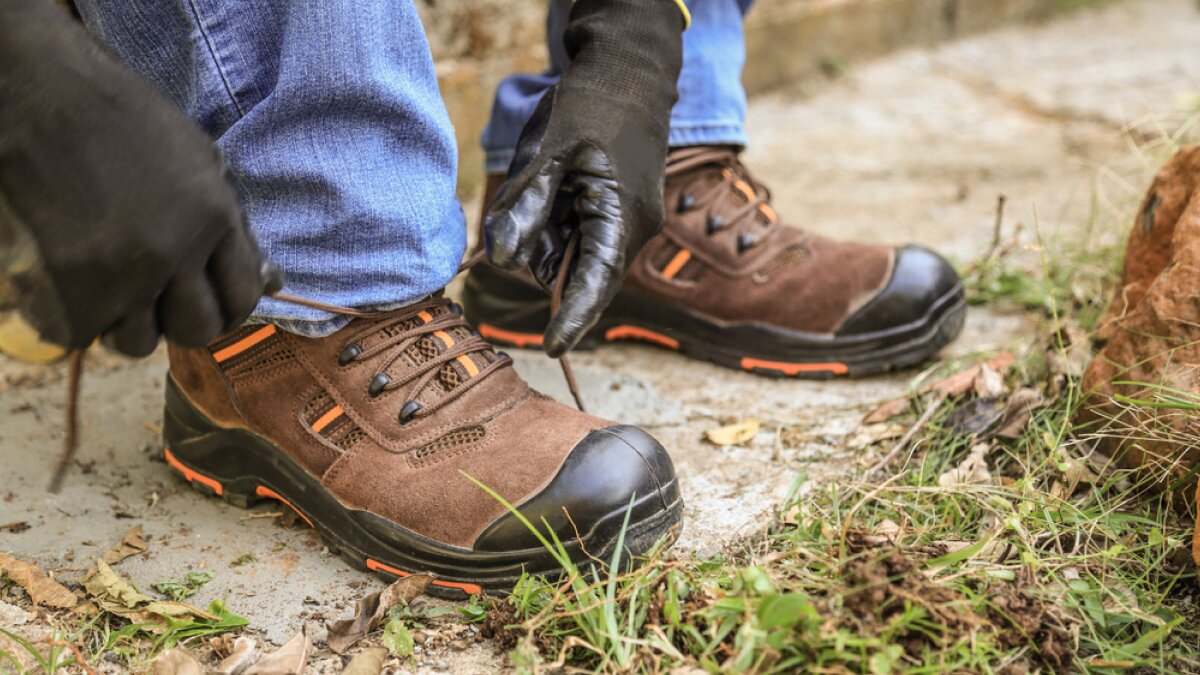
Protective footwear is an essential component of your crew’s PPE. The right type of safety footwear can protect your team from a variety of hazards, including impacts, chemical spills, rolling equipment, and more. Protective footwear is not just a “nice to have”—it’s required by law. Let’s look at OSHA’s guidelines to ensure you're in compliance and providing everything your employees need to stay injury-free on the job.
OSHA’s Protective Footwear Standards
OSHA’s guidelines for protective footwear are articulated in standards 29 CFR 1910.132 and 29 CFR 1910.136. They stipulate that employees must wear protective footwear in any areas where they are at risk for foot injuries from falling objects, rolling objects, hot or corrosive materials, bio-hazardous or poisonous materials, or sharp objects that can pierce the soles. Safety footwear is also required when there are electrical hazards present, such as the potential for electric shock or static discharge.
OSHA-approved work boots must have an oil-resistant leather upper, built-in toe caps, non-skid soles, and an impact and compression resistance rating of 75. Learn more about OSHA’s consensus standards here.
ASTM Footwear Standards
Safety footwear must comply with the American Society for Testing and Materials (ASTM) standards to meet OSHA regulations. These standards can be found in ASTM 2413-18. Here are some of the highlights:
- Protective footwear includes shoes or boots with a steel, alloy, or composite toe.
- Toe caps must be built into safety footwear.
- Work boots must pass the ASTM 2412-18a standard for impact and compression resistance to be ASTM-certified.
- Work boots may also be tested for conductive protection, electrical hazard resistance, static dissipation, metatarsal protection, and puncture resistance.
- Workers are permitted to wear overshoes, but they do not qualify as protective footwear.
If a shoe meets the ASTM standard, it will be noted on the shoe with an ASTM 2413-11 or ASTM 2413-18. The numbers indicate the ASTM standard and the year. For example, if a shoe features the mark ASTM 2413-18, it signifies that it’s in compliance with the 2018 standard update.
ASTM Footwear Safety Ratings
The ASTM tests and provides ratings and certifications for all types of protective footwear. The type of protection your employees need depends on the type of work they do. Here are the codes the ASTM uses to inform customers of the type of protection the safety footwear provides.
| Code | Protection |
|---|---|
| M | Male |
| F | Female |
| I/75 | Impact protection rating |
| C/75 | Compression protection rating |
| Mt/75 | Metatarsal protection rating |
| CD | Conductive protection |
| EH | Electrical hazard resistance |
| PR | Puncture resistant |
| SD | Static dissipative |
| WR | Water resistant |
Types of Protective Footwear
Protective footwear is made to protect workers from the hazards they face on the job. Whether your team needs a safety work boot or one that will protect them from electric shock (or both), you can learn all about the different types of safety footwear in this article.
Who Pays for Protective Footwear?
Since 2008, employers have been responsible for footing the bill for PPE—and that includes safety footwear. However, employers are not required to pay for general work boots or non-specialty safety footwear—as long as employees are permitted to wear the footwear off of the jobsite. Whether you want to purchase safety footwear for your employees or reimburse them, either way is permissible.
Implementing Protective Footwear Policies in Your Business
The safety of your employees should always be paramount. That’s why safety always needs to be a part of the conversation. Make sure to talk to your employees about the importance of wearing safety footwear and reassess footwear needs as your business evolves.
Zoro Is Your Source for Safety Footwear
Now that you’ve learned all about what OSHA requires to keep your employees’ feet protected on the job, it’s time to stock up on safety footwear. We offer safety boots from the top brands to meet all of your business’s needs.
Product Compliance and Suitability
The statements contained in this guide are intended for general informational purposes only. Such statements do not constitute a product recommendation or representation as to the appropriateness, accuracy, completeness, correctness, or currentness of the information provided. Information provided in this guide does not replace the use by you of any manufacturer instructions, technical product manual, or other professional resource or adviser available to you. Always read, understand, and follow all manufacturer instructions.
