


Understanding Washers: How They Work, Types, and Why You Need Them
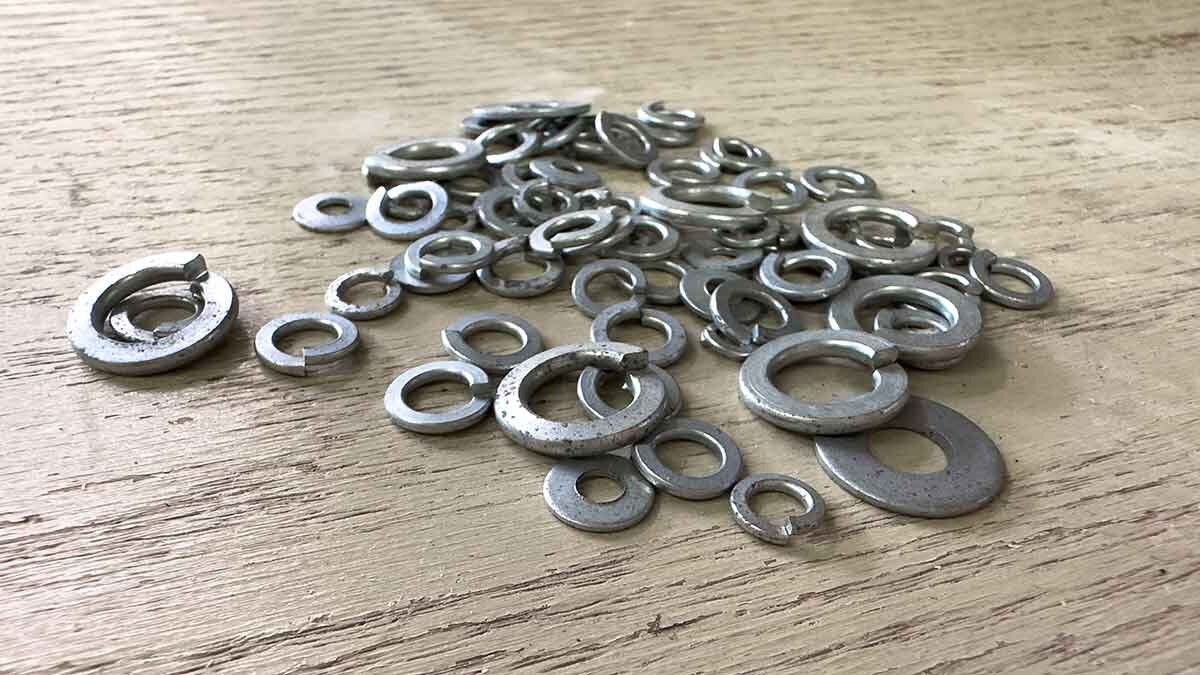
While basic washers aren’t a complicated type of fastener, they’re immensely beneficial to builders and machinists alike. Washers are used with bolts and screws to help evenly distribute pressure, prevent surface damage, and prevent fasteners from loosening over time. This article explores everything you need to know about washers—from what they are to which ones to use from job to job. Let’s get started.
What Are Washers?
Whether you know it or not, you’ve seen washers a million times—maybe as a kid in the garage or as you’ve assembled furniture as an adult. Washers are those little round discs with a hole in the middle—a flattened doughnut. There are various types of washers—such as flat washers—and they’re made from all kinds of materials, including steel, brass, ceramic, phenolic, and plastic. Washers are placed between a surface and a screw to dampen the effect of vibration, prevent corrosion, and deter loosening to ensure a secure connection.
What Are the Types of Washers?
Check out this chart to learn more about the most common types of washers and their uses.
| Types of Washers | |
|---|---|
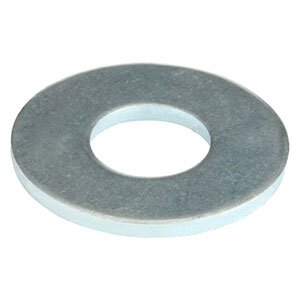
Flat Washers
|
Available in a wide variety of styles, materials, and finishes; used with machine screws and a variety of bolts. |
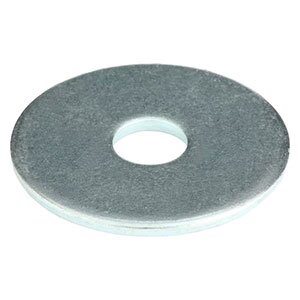
Fender Washers
|
Made with a larger bearing surface and thinner-gauge metal than flat washers. |
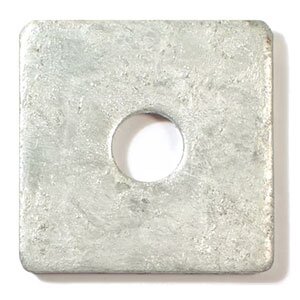
Square Washers
|
Flat and square-shaped; offer a larger surface area than round washers for better torque distribution. Their thick, broad shape helps prevent damage to wood fibers in wood construction. Available in different steel types, including stainless, galvanized, zinc-plated, and black oxide. |
Countersunk Washers
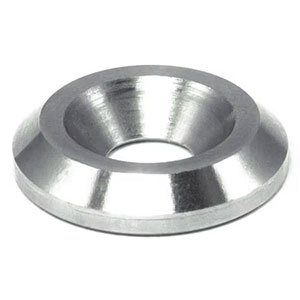
|
Metal washers with raised sides and a flat center. |
Split Lock Washers
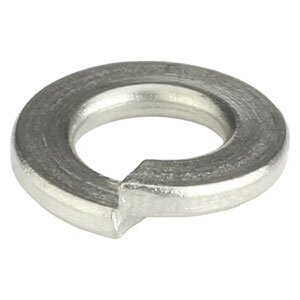
|
Feature a split cut and slightly bent ends to create tension when it is clamped down, creating a strong hold. |
Tooth Lock Washers
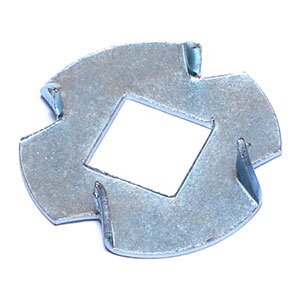
|
Feature twisted prongs, inside and outside. These “teeth” lock into bearing surfaces to dig and lock with another material. |
Wedge Lock Washers
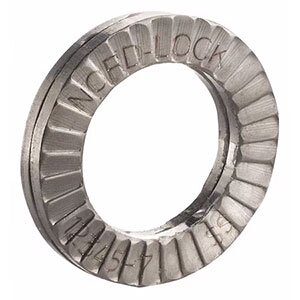
|
A beveled design engineered to use tension to secure bolts that are prone to loosening due to heavy loads or vibration. Preferred over standard washers due to lower maintenance costs. |
Spherical Washers
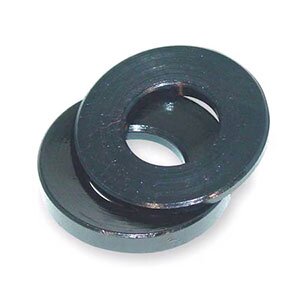
|
Feature a two-piece equalizing assembly with one flat washer and one dish-shaped washer. |
Beveled Washers
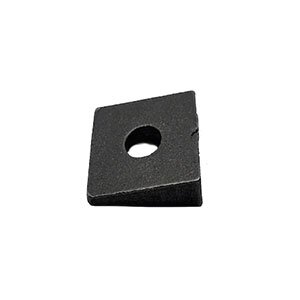
|
Designed to be used with structural bolts; features one bearing surface with an oblique angle. |
Wave Washers
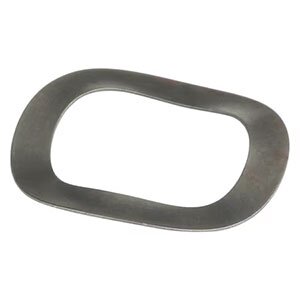
|
Feature curves in two directions; usually made of metal. |
What Types of Materials Are Washers Made From?
Washers are made from a variety of materials to suit all kinds of applications. Let’s look at the most common types of materials used to make washers—and their benefits.
Stainless Steel Washers
Washers are most often made from stainless steel. This metal is great for its resistance to rust and corrosion.
Other Metal Washers
Washers are also made from other metals, including brass, iron, copper, and aluminum. Metal washers are preferred in many applications because they form a powerful seal that can prevent leaks. Soft metals, such as copper, can also maintain connections to minimize vibration.
Rubber and Nylon Washers
Rubber and nylon washers are a great choice for sealing uneven surfaces because of their flexible properties. However, these washers can quickly lose their shape under compression and will need to be replaced.
Plastic Washers
In general, plastic washers are more affordable than metal washers. They’re a good choice if your application doesn’t require a lot of strength. Plastic washers are used when electrical isolation and vibration resistance are needed. They also come in multiple colors, making them a great option for use in electronics.
Zoro Has the Washers Your Projects Need
Find all the washers and fasteners you need for your jobs at Zoro. We have every type under the sun, plus their compatible bolts or screws. Don’t forget to shop for everything else you need for your business at Zoro today.
Product Compliance and Suitability
The statements contained in this guide are intended for general informational purposes only. Such statements do not constitute a product recommendation or representation as to the appropriateness, accuracy, completeness, correctness, or currentness of the information provided. Information provided in this guide does not replace the use by you of any manufacturer instructions, technical product manual, or other professional resource or adviser available to you. Always read, understand, and follow all manufacturer instructions.
