
Understanding Weather Hazards on the Jobsite
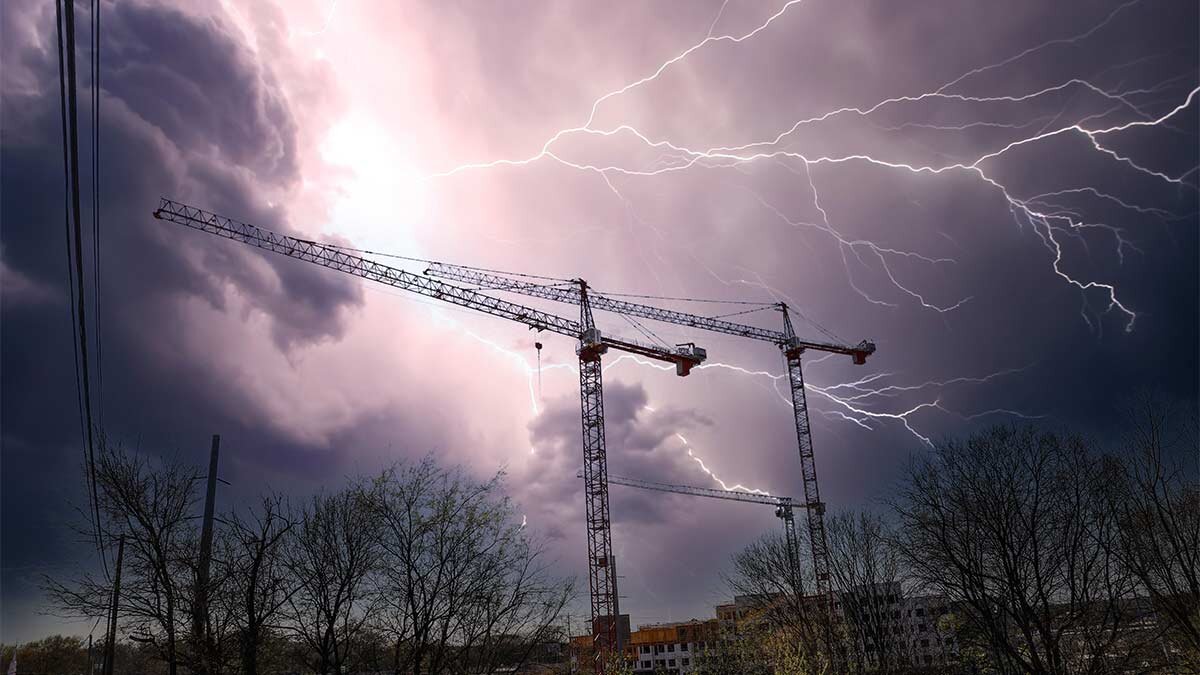
Weather hazards don’t wait for your schedule, and they can hit when you’re already stretched thin. That’s why it helps to have a severe weather plan in place to protect people, safeguard property, and keep projects moving when conditions change.
How Weather Impacts Your Jobsite
Weather shows up in many forms, and each type can bring setbacks that cost your business time and money. Heavy rain can flood work areas, high winds can destabilize scaffolding, lightning can force sudden evacuations, and snow or extreme heat can put workers at risk. Understanding these hazards and preparing for them gives you the confidence to keep your business moving, no matter the forecast.
Ways to Weatherproof Your Jobsite
Preparation doesn’t need to be complicated. A few everyday actions can make your site more resilient.
- Monitor the forecast. Use reliable weather apps and set thresholds for when to pause work.
- Protect materials and tools. Store them high and dry, cover them with tarps, and secure anything that could move in high winds.
- Plan for wet conditions. Use non-slip mats, signage, and good stormwater management practices to reduce hazards and prevent erosion.
- Document and train. Write down your plan and practice it so your crew knows what to do before severe weather arrives.
Heavy Rain and Flooding
When a downpour hits, it’s more than a delay. It’s a disruption that impacts both safety and productivity. Standing water can turn pathways into slip zones, damage materials, and cut off access points. Flooding raises bigger concerns, from electrical hazards to soaked equipment and lost workdays.
Flood safety isn’t just about reacting in the moment. It’s about having a plan for emergency flood response that includes moving materials to higher ground, protecting electrical panels, and keeping pumps or sandbags ready. For a full breakdown, see our in-depth resource about flood safety in the workplace.
High Winds
High winds are one of the most unpredictable hazards on a jobsite. Even when skies look calm, sudden gusts can scatter unsecured materials, damage temporary structures, or make crane and scaffold operations unsafe. A strong weather contingency plan should outline when to stop work, how to secure equipment, and what steps to take before winds reach dangerous speeds. Using weather apps and monitoring wind forecasts daily helps you set clear thresholds so your team isn’t left guessing.
Lightning and Severe Storms
Lightning strikes are a serious danger for crews working outdoors, especially near metal structures or in open areas. Severe storms also reduce visibility, create distractions, and make surfaces slick. The safest action is often the simplest: pause work until the storm passes. Your severe weather plan should include stop-work protocols, safe shelter locations, and clear communication channels so every worker knows where to go when lightning or severe weather is nearby.
Snow and Ice
Cold weather brings its own challenges. Snow and ice can make walkways hazardous, slow down tasks, and add weight that stresses temporary structures. The best defense is preparation: treat surfaces early, clear pathways often, and build extra time into your schedule for winter conditions.
We’ve created additional resources to help you stay ahead of winter.
- How to Keep Your Office Trailer Warm in the Winter—for tips to protect your workspace
- Preventing Frostbite on the Jobsite with the Right PPE—to keep your crew safe when temperatures drop.
- How to Stay Warm in a Cold Office: Practical Comfort Solutions for the Workday—to make indoor workspaces more manageable through the season.
Extreme Heat
Hot weather is just as disruptive as a snowstorm. Prolonged exposure increases the risk of dehydration, heat exhaustion, and other heat-related illnesses. To reduce risks, provide shaded rest areas, schedule regular water breaks, and rotate shifts to limit exposure during peak hours.
Clear communication shows your team that their safety matters, and it helps avoid costly slowdowns. If heat is a regular challenge, check out our resources.
You’re already balancing plenty, and weather hazards shouldn’t add unnecessary stress. A thoughtful weather contingency plan helps you stay one step ahead. Whether it’s flood safety in the workplace, managing wet weather conditions, or preparing for heat and cold, the goal is the same: keep your crew safe, your property protected, and your business running strong.
Product Compliance and Suitability
The statements contained in this guide are intended for general informational purposes only. Such statements do not constitute a product recommendation or representation as to the appropriateness, accuracy, completeness, correctness, or currentness of the information provided. Information provided in this guide does not replace the use by you of any manufacturer instructions, technical product manual, or other professional resource or adviser available to you. Always read, understand, and follow all manufacturer instructions. Portions of this article were generated in part by ChatGPT, and edited by a member of the Zoro team.
