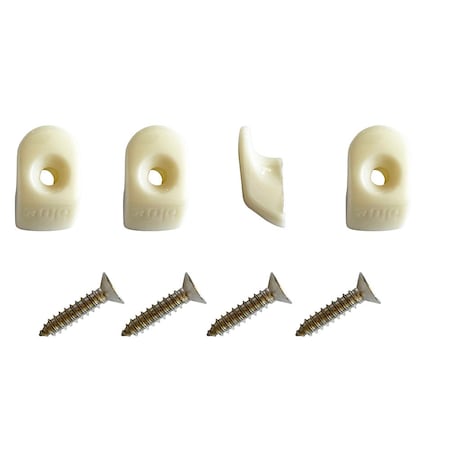
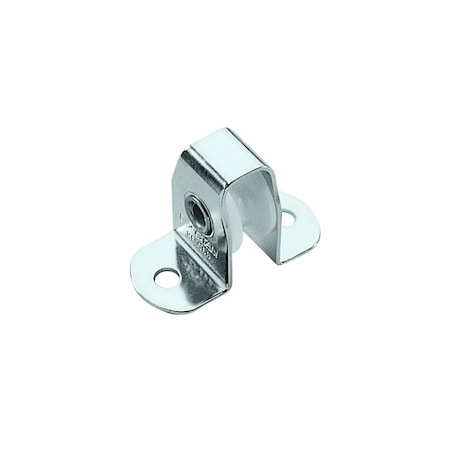
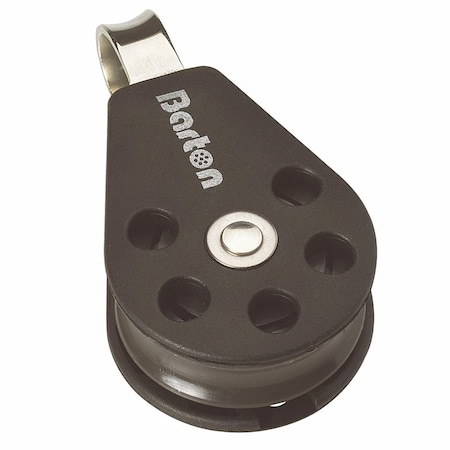
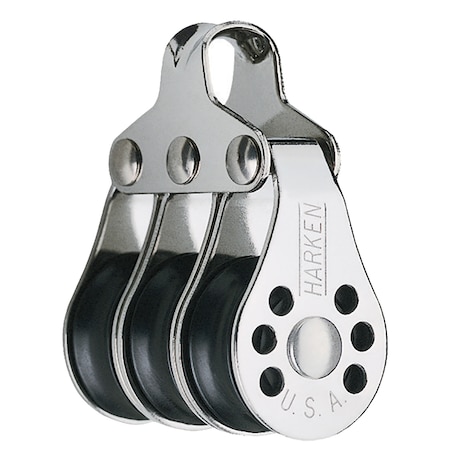
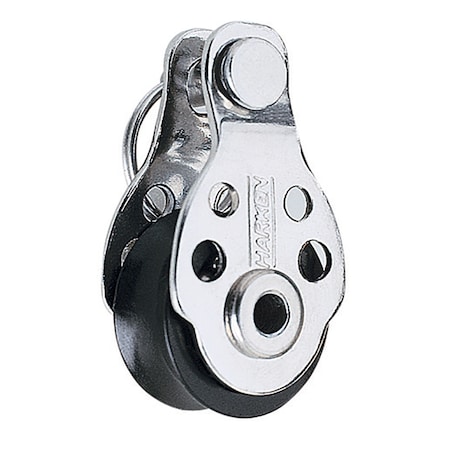
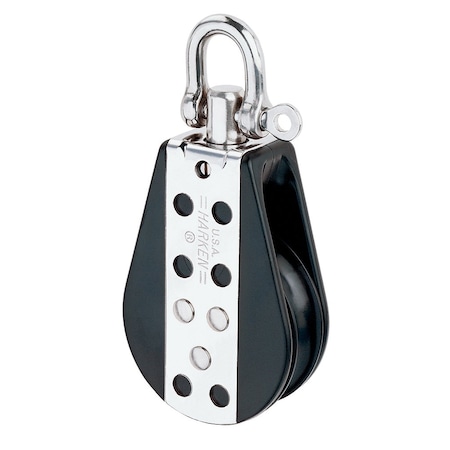
Sailing blocks should have a high safe working load (SWL) to ensure they can handle the forces exerted on them by the sails. Additionally, the materials used in the block's construction, such as stainless steel or aluminum, are important considerations for durability and longevity in marine environments. Sealed ball bearings also reduce friction and increase efficiency during rope handling.
The diameter of rigging wire should be determined based on the expected load it will carry. It should be thick enough to withstand the maximum load without breaking or stretching excessively. Additionally, factors like the type of sailboat, the size of the mast and sails, and the distance between the mast and the attachment points play a role in selecting the appropriate wire size.
There are three main types of sailboat winches: self-tailing winches, which have a mechanism that holds the rope in place while winding, reducing the need for manual rope handling; electric winches, which use power to operate, increasing efficiency and reducing manual effort; and manual winches, which require manual operation and offer a basic and dependable option.
Regular maintenance is crucial to ensure the longevity and reliability of sailing equipment. This involves cleaning and lubricating moving parts, such as blocks and winches, to minimize friction and wear. Additionally, inspecting ropes, wires, and sails for damage or fraying is important. Proper storage in a dry and protected environment when not in use further enhances equipment preservation.