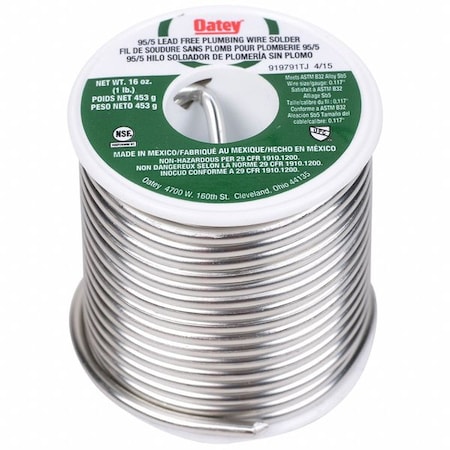
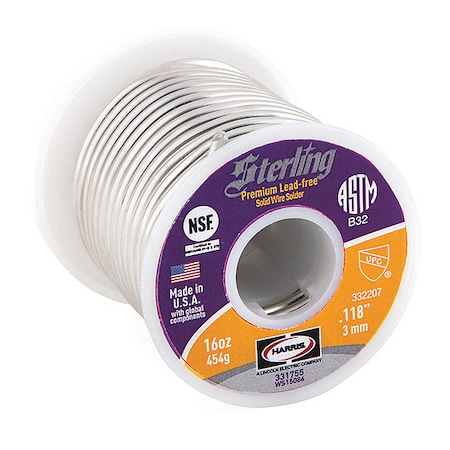
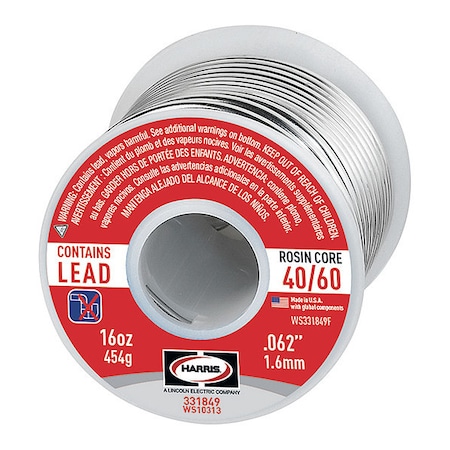
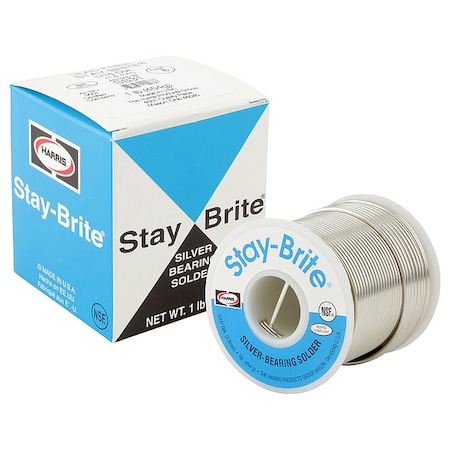
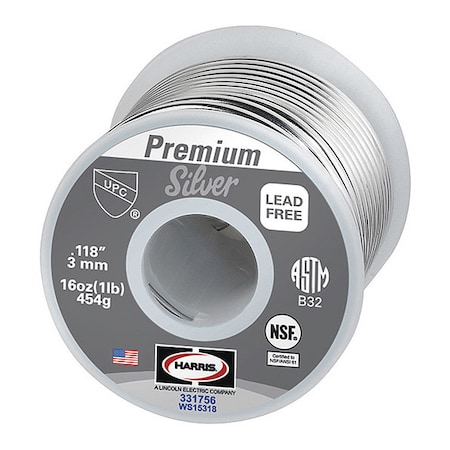
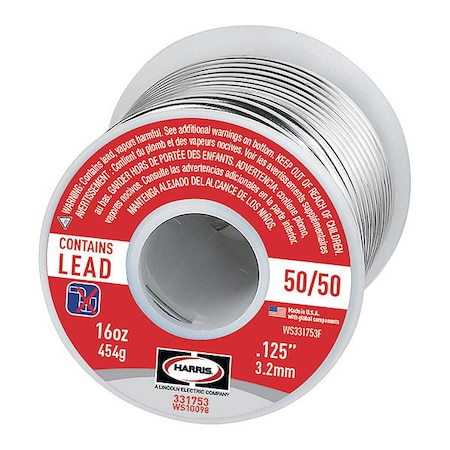
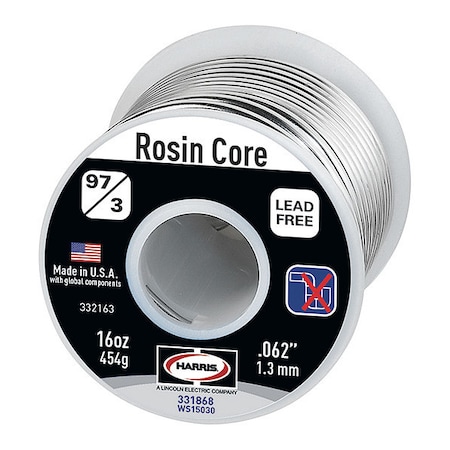
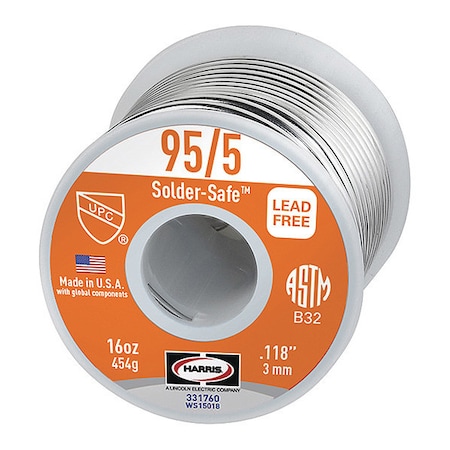
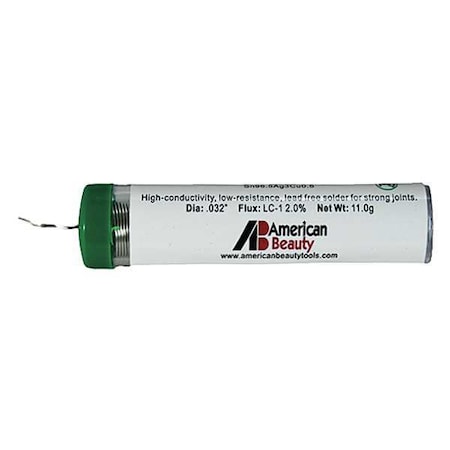
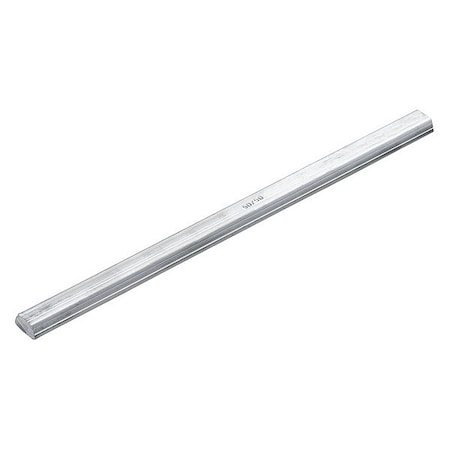
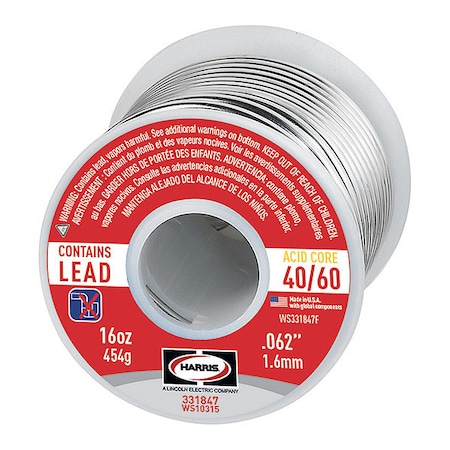
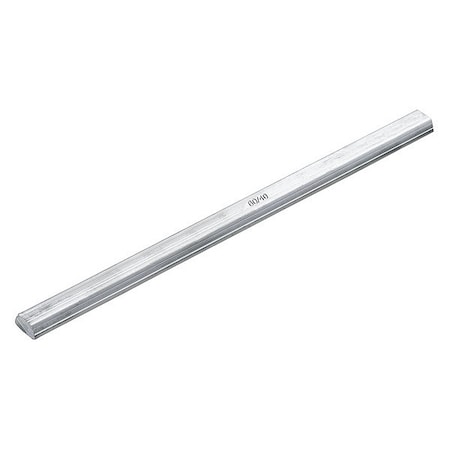
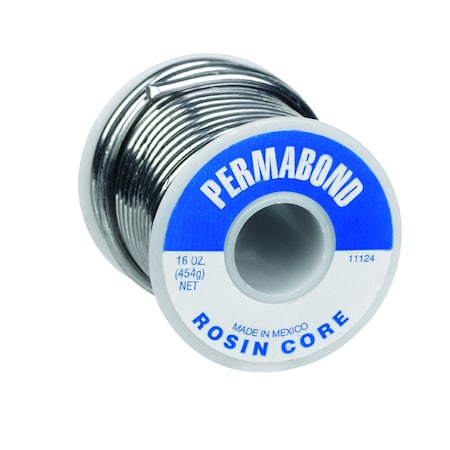
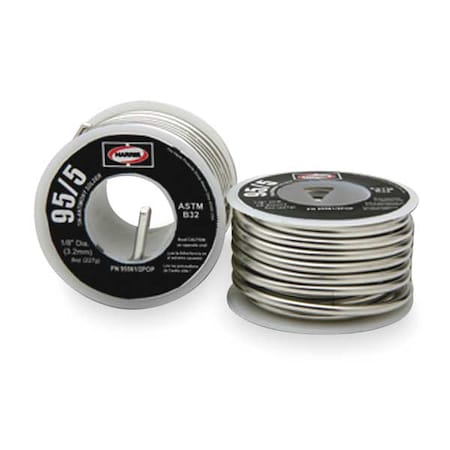
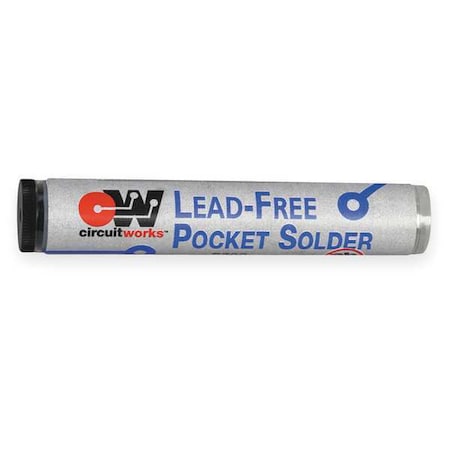
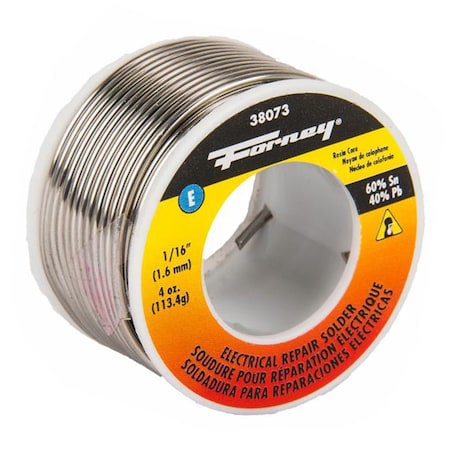
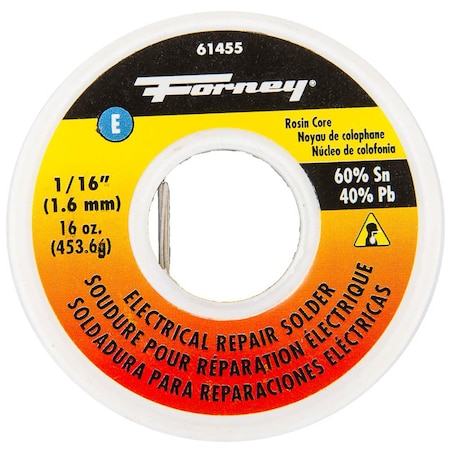
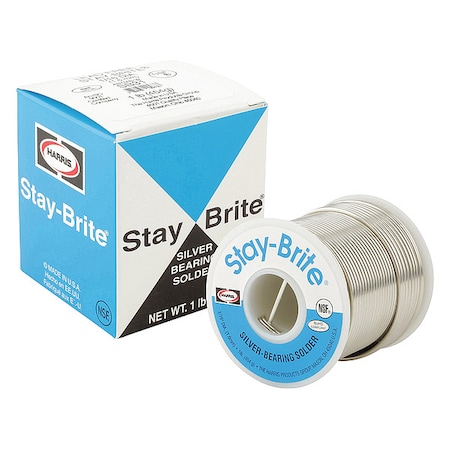
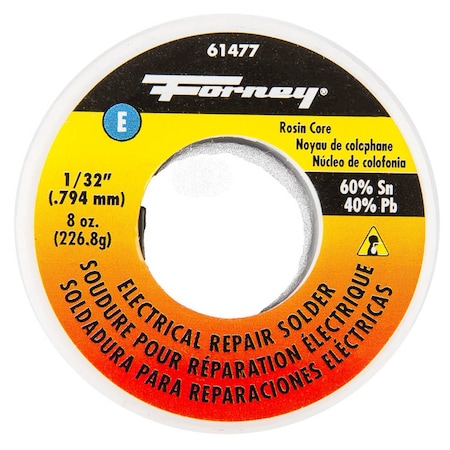
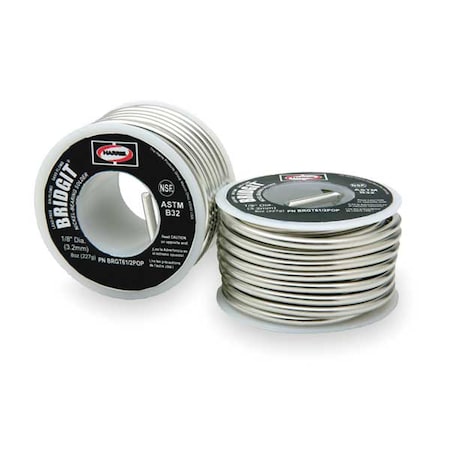
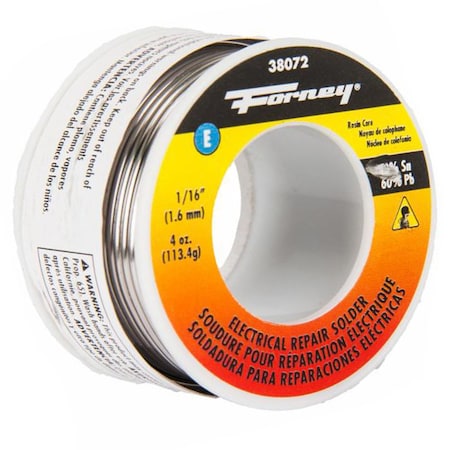
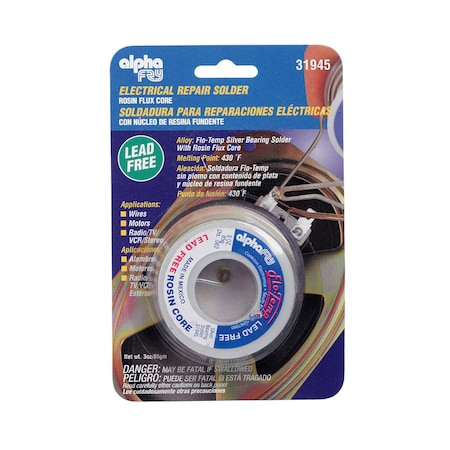
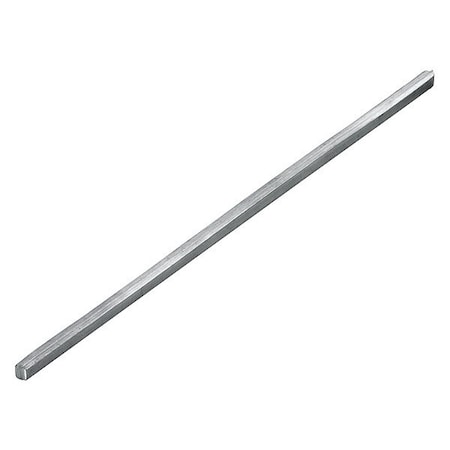
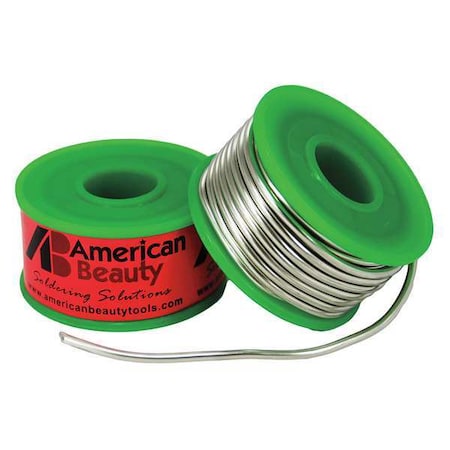
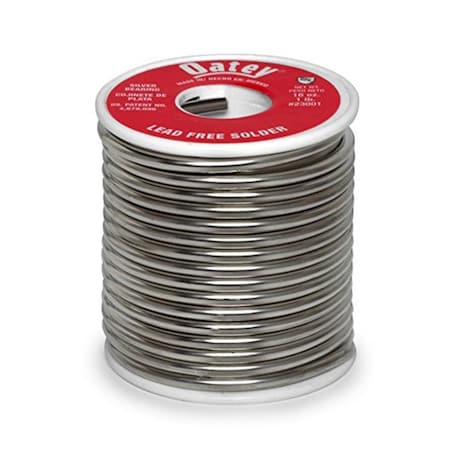
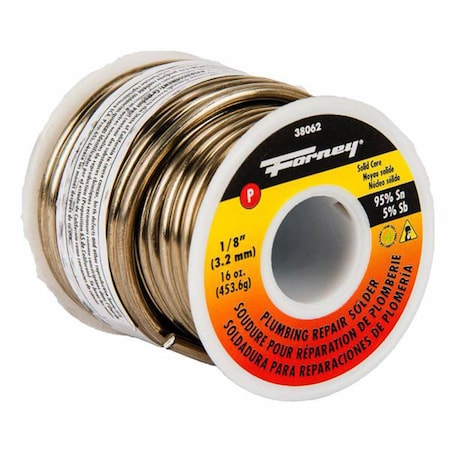
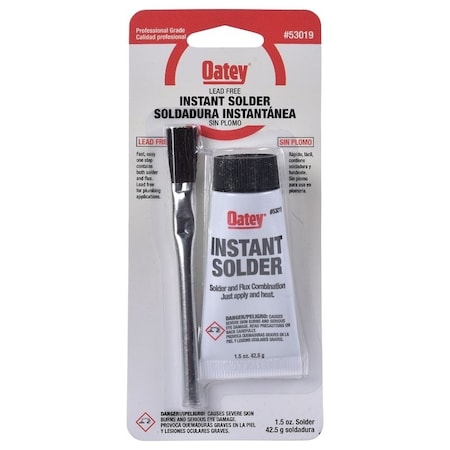
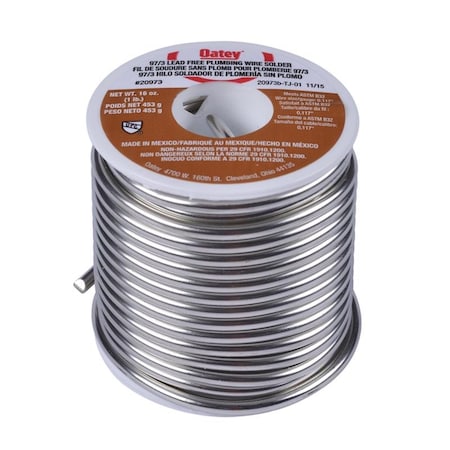
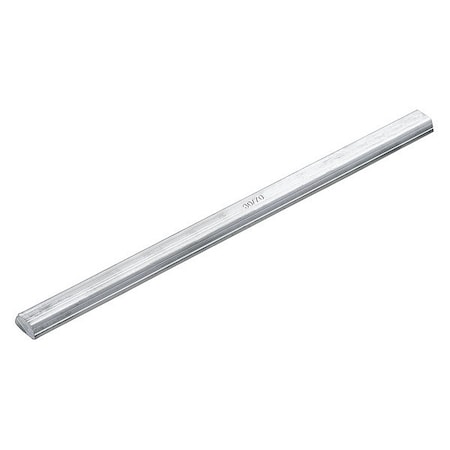
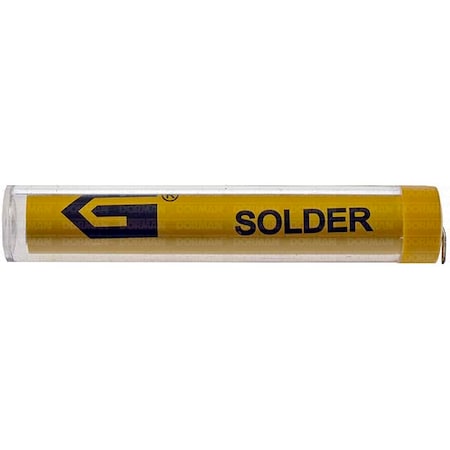
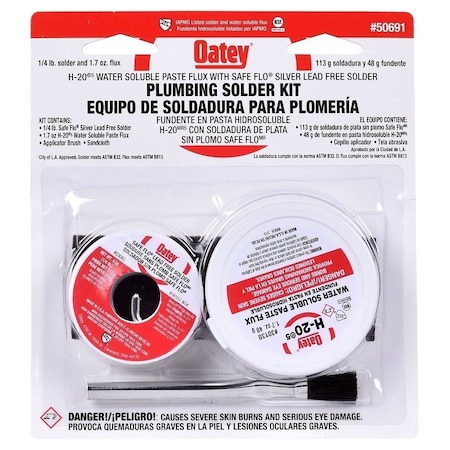
Electronic technicians use soldering irons and solder for things like computers, medical equipment and precision measurement systems. There are 2 main types of solder: lead based and lead free. Because of concerns around disposal of electronic items, lead free solder is often used however they do melt at higher temperatures and require a higher dwell time. Leaded solder is an obvious health hazard because the lead can rub off onto your fingers and be ingested through the skin. Before you start soldering, make sure you have flux on hand to clean the solder joints.
Frequently Asked Questions
Solders are metal alloys used to join metal parts by melting the solder and allowing it to flow into the joint between the two pieces of metal. They provide a strong and durable bond that can withstand various environmental conditions.
There are various types of solders available, each with its own unique properties and applications. Some common types include lead-based solders, lead-free solders, rosin-core solders, and acid-core solders.
Several factors should be considered when choosing the right solder for a particular application, including: the type of metals being joined; the melting point of the solder; the strength and durability required for the joint; and any applicable regulations or industry standards.
Solders can contain hazardous materials, so it's essential to take appropriate safety precautions when working with them. Use proper ventilation to avoid inhaling fumes, wear protective gear to prevent skin contact, and follow the manufacturer's instructions.