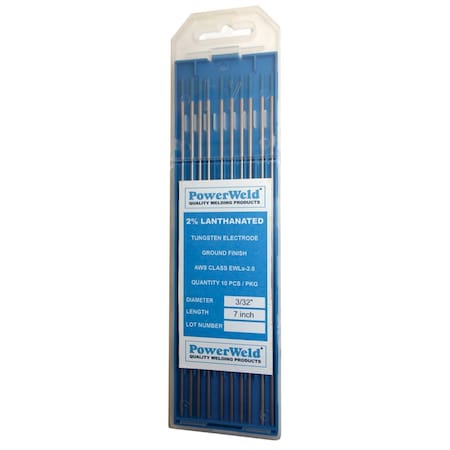
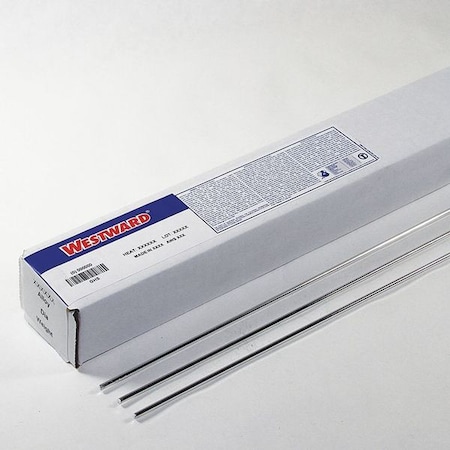
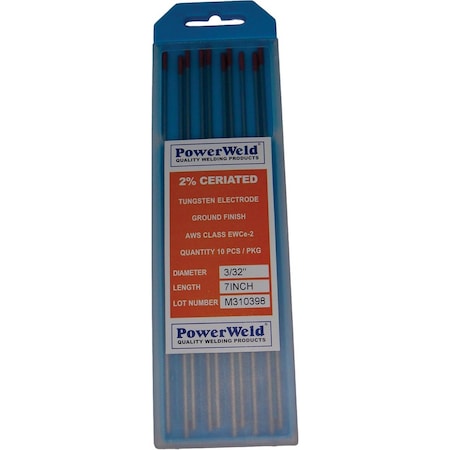
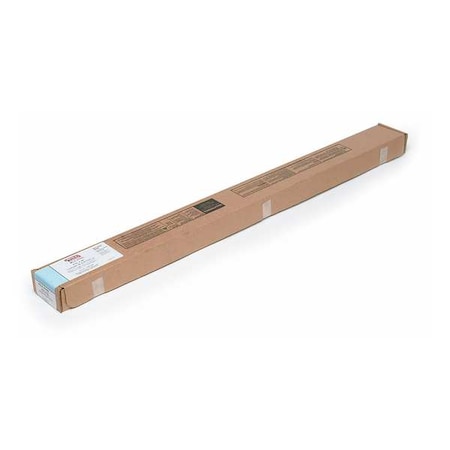
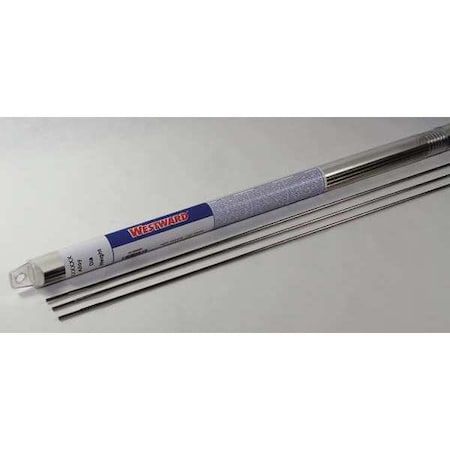
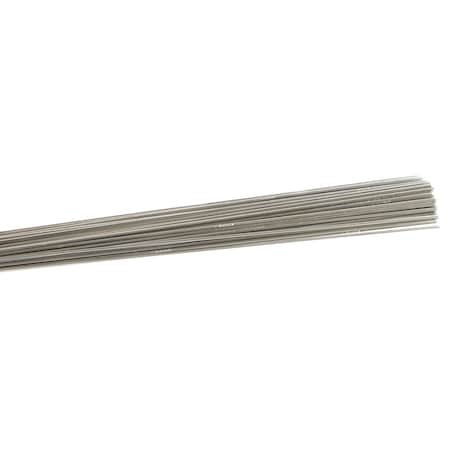
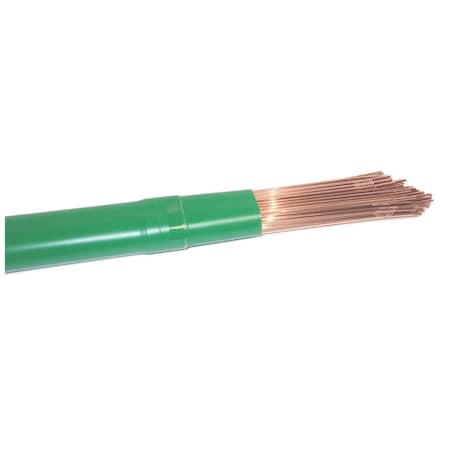
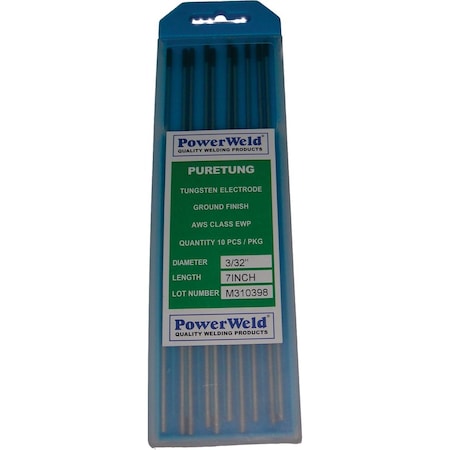
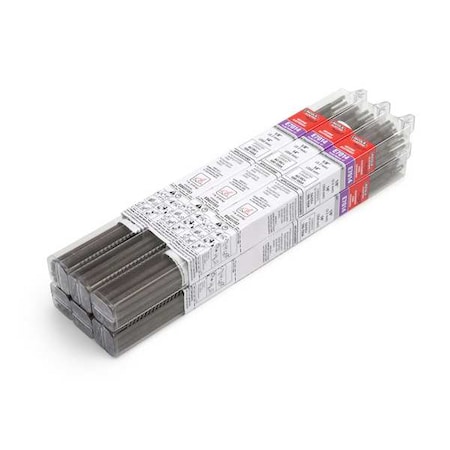
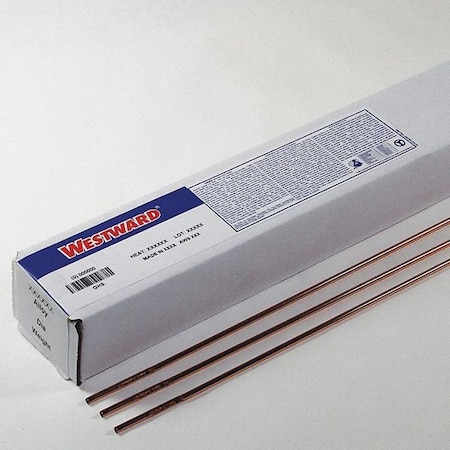
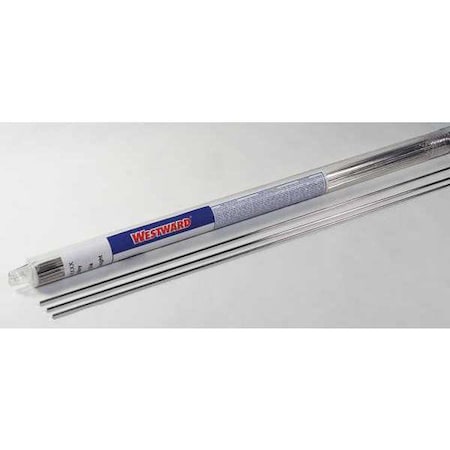
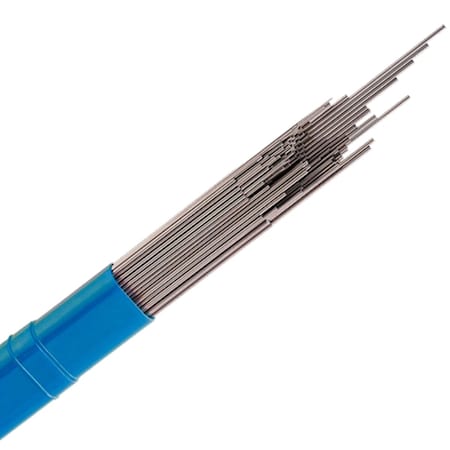
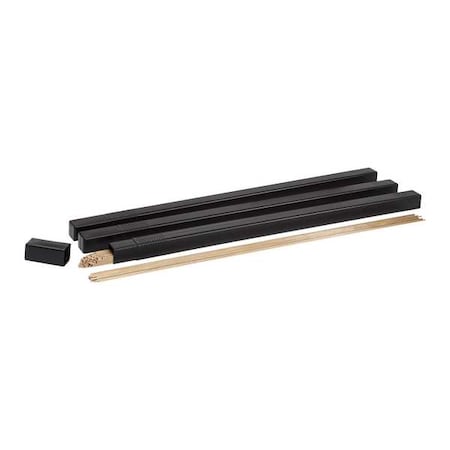
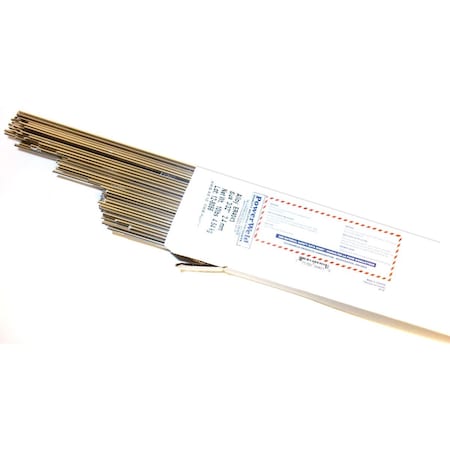
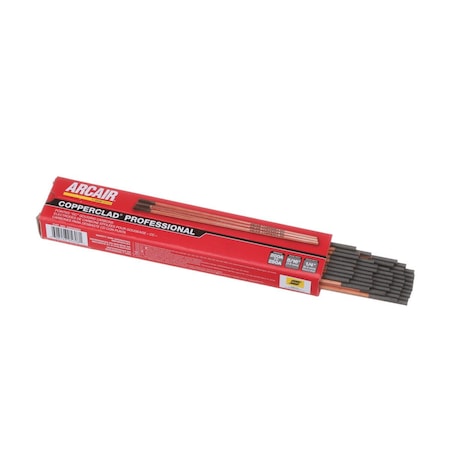
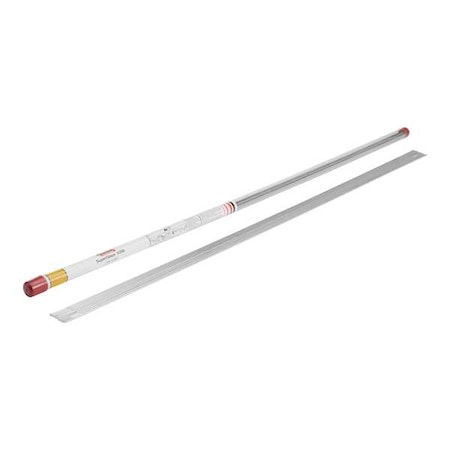
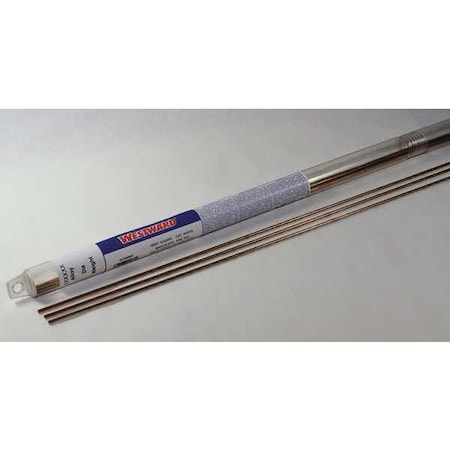
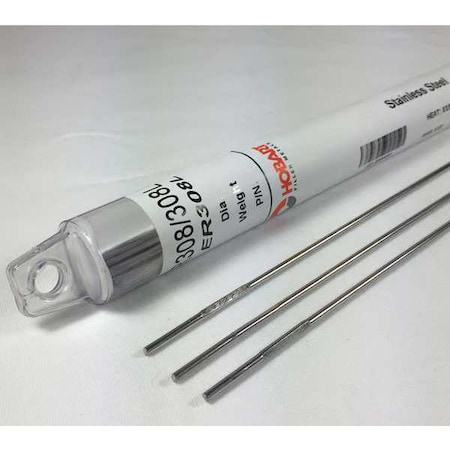
Tungsten inert gas (TIG) welding is a type of arc welding that uses a TIG welder to melt TIG welding rods with an electrode’s electric arc, to form a weld pool. A TIG welding rod is essentially filler metal for the weld, and is typically made of a low alloy steel. Welding rods may vary by container size, number per box, number of rods per containment tube, rod diameter, rod length and tensile strength (in PSI), among other considerations.
Frequently Asked Questions
TIG welding rods provide several advantages including: precise weld control, high-quality welds with minimal spatter, and the ability to weld a wide range of materials.
There are various types of TIG welding rods, each designed for specific applications and materials. These include tungsten electrodes (AWS classification EWP), thoriated tungsten electrodes (AWS classification EWTh), ceriated tungsten electrodes (AWS classification EWC), lanthanated tungsten electrodes (AWS classification EWL), and zirconiated tungsten electrodes (AWS classification EWG).
Selecting the appropriate TIG welding rod depends on the material being welded, the desired weld characteristics, and the specific application. Consulting the AWS classification system or referring to manufacturer's recommendations can guide you in choosing the optimal rod for your project.
Proper storage of TIG welding rods is crucial to maintain their performance and longevity. Store rods in a dry and cool environment (ideally below 10% relative humidity), keep them clean and free of contaminants, and store them upright to prevent bending or damage.