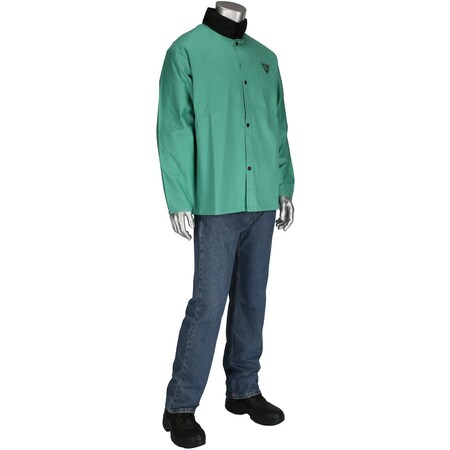
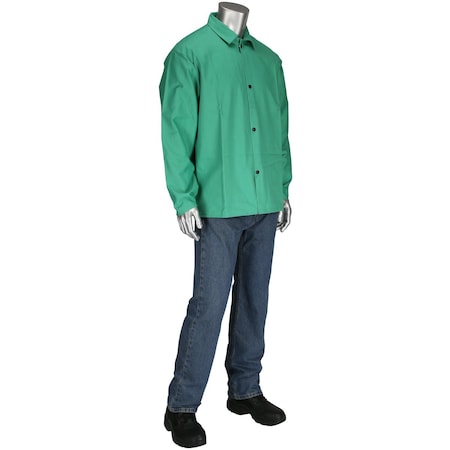
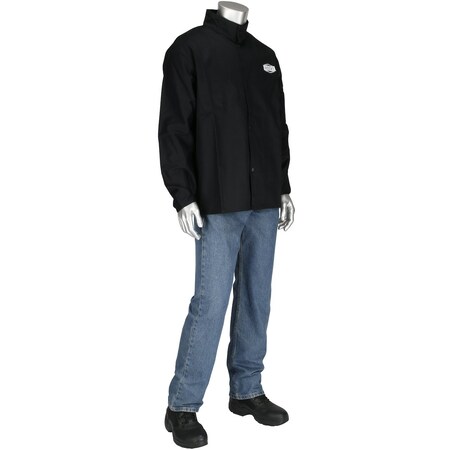
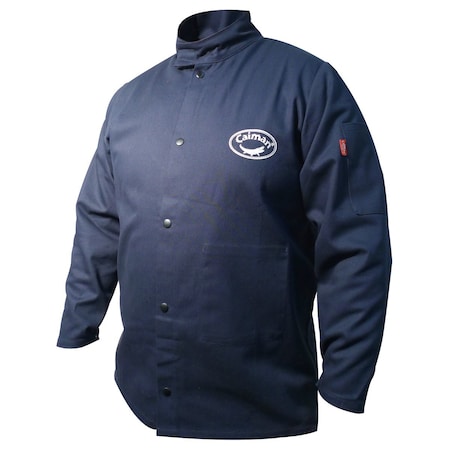
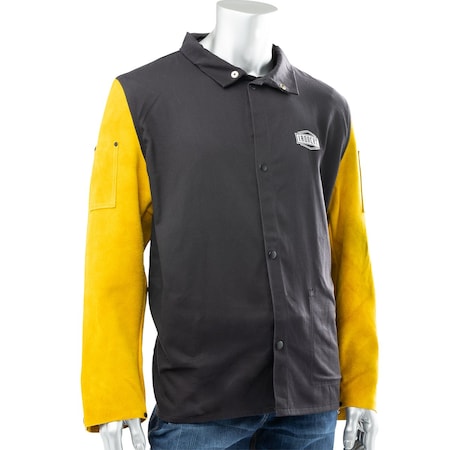
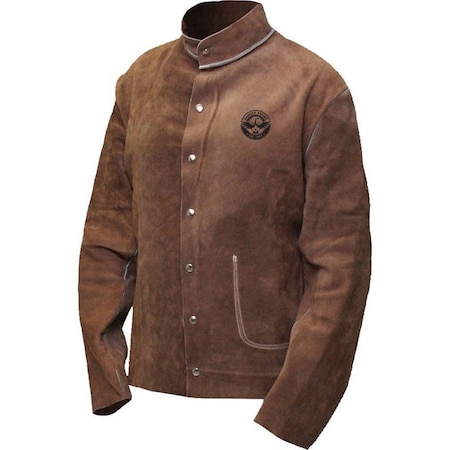
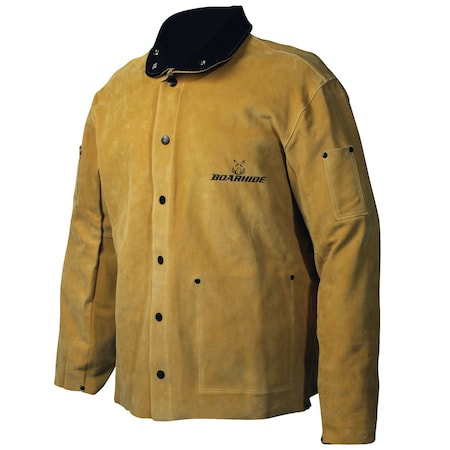
Welding jackets come in various types including leather welding jackets that provide excellent protection against heat and sparks, flame-retardant cotton welding jackets that are lightweight and breathable, and synthetic welding jackets designed to offer specific features like water repellence or chemical resistance.
When selecting a welding jacket, consider factors such as the level of protection it offers, the materials used in construction, breathability and comfort, durability and construction quality, special features like pockets or sleeves, and compliance with industry safety standards.
To ensure a proper fit, consult the size charts provided by manufacturers. Pay attention to measurements like chest, waist, shoulder width, and arm length. Allow some room for movement and layering underneath the jacket for maximum comfort and safety.
Regular care is essential to extend the life of your welding jacket. Follow the manufacturer's instructions for cleaning. Use appropriate cleaning methods depending on the material, such as hand washing for leather or machine washing for cotton. Inspect your jacket regularly for any damage or wear and make repairs as needed.