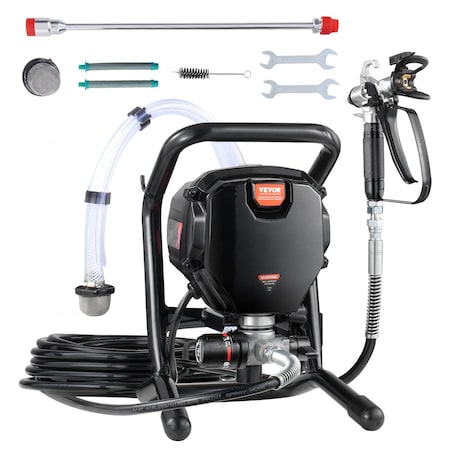
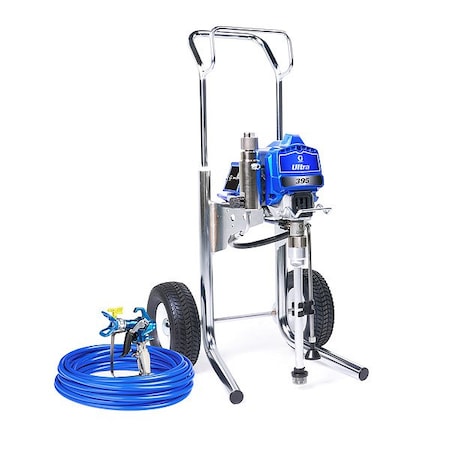
A revolution is happening, and it is airless. Airless paint sprayers represent a seismic shift in the paint sprayer game in that no air is required to be mixed with paint before you start the job. Beyond this technological leap, airless paint sprayers operate in essentially the same fashion as other high-volume, low-pressure sprayers. A wide variety of airless paint sprayers are available for your commercial, professional or DIY painting project. In addition, replace your spray gun cup when you’re switching to a different color of paint, and keep a supply of rightly sized airless spray tips on hand as they’ll eventually need replacing.
Frequently Asked Questions
Consider the tip size, the power of the motor, the length of the hose, and the maximum pressure when selecting an airless paint sprayer. These factors will impact the type of paint you can use, the spray pattern, and the overall efficiency of your painting project.
Airless paint sprayers offer several advantages over traditional methods. They can apply paint more quickly and evenly, reducing the time and effort required to complete your project. Additionally, airless sprayers provide a more consistent finish and reduce paint waste, providing a professional-looking result.
When operating an airless paint sprayer, it's crucial to prioritize safety. Wear appropriate protective gear, including a respirator, gloves, and eye protection. Ensure the work area is well-ventilated to avoid inhaling paint fumes. Always follow the manufacturer's instructions for safe operation and maintenance.
Airless paint sprayers come in various types, each suited to specific applications. Electric airless sprayers are ideal for smaller projects and DIY enthusiasts, while gas-powered airless sprayers provide more power for larger jobs. Hydraulic airless sprayers are designed for heavy-duty industrial applications, where high pressure and flow rates are required.