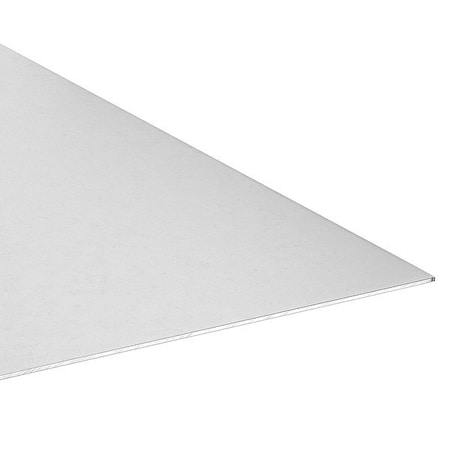
Aluminum Sheets, a versatile and lightweight yet robust material, are often utilized in fabrication, manufacturing, and construction projects. The variety of Aluminum Sheets available cater to different needs with variations in thickness or gauge, size, finish type, or alloy composition. These sheets originate from molten metal poured into molds which is then rolled flat after cooling and solidifying. Additional treatments such as anodizing or painting can enhance their durability or provide specific finishes. Industries like automotive repair shops, aircraft maintenance facilities and engineering firms frequently employ aluminum sheets for creating vehicle parts or constructing frames and structures. This includes the creation of custom panels for enclosures or cabinets using thicker gauges of aluminum sheeting.
Frequently Asked Questions
Aluminum sheets are commonly available in thicknesses ranging from 0.008 inches to 0.25 inches, providing a wide selection for various applications.
3003 aluminum sheets possess higher strength and are ideal for forming and welding, while 5052 aluminum sheets offer superior corrosion resistance, making them suitable for marine and outdoor applications.
Yes, aluminum sheets are highly workable and can be easily cut using shears, saws, or CNC machines. Their malleability allows for shaping and bending to meet specific design requirements.
Aluminum sheets find versatile applications in industries such as construction, transportation, aerospace, and manufacturing. They are used for roofing, cladding, vehicle components, aircraft skins, and countless other products due to their lightweight, durability, and corrosion resistance.