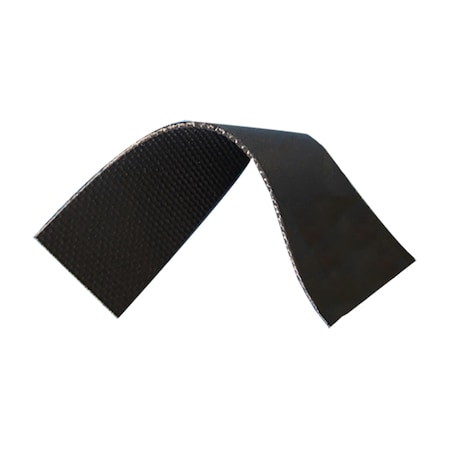
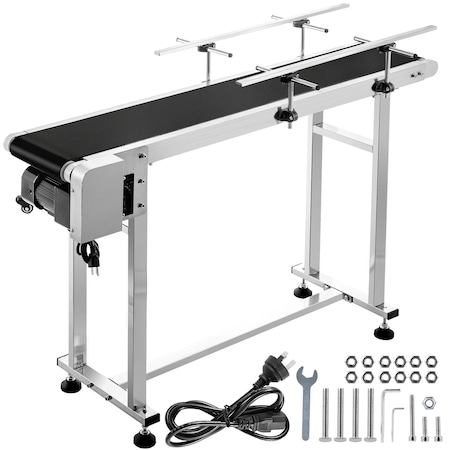
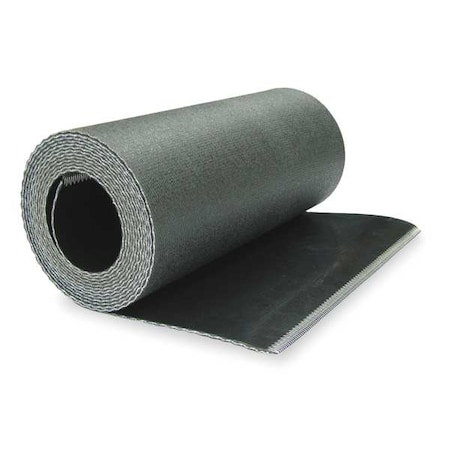
Belt conveyors are widely employed in material handling systems and come in various types, including flat belt conveyors suitable for general-purpose horizontal or inclined conveying, troughed belt conveyors designed for increased capacity and stability when handling loose unpackaged materials, and cleated belt conveyors that feature cleats or projections on the belt surface to convey products up inclined planes.
Selecting the most appropriate belt conveyor for your specific application involves considering factors like the type of material being conveyed, the required capacity and flow rate, the distance and layout of the conveyor system, and any environmental conditions or space constraints.
Optimizing belt conveyor efficiency encompasses various factors, including proper belt tensioning to prevent excessive wear and slippage, regular cleaning and maintenance to minimize friction and downtime, and ensuring optimal loading and discharge points to achieve smooth material transfer.
Belt conveyors offer versatile material handling solutions across numerous industries, including manufacturing and production facilities for conveying raw materials, components, and finished goods, mining and aggregate operations for transporting loose raw materials, and agriculture for handling crops and grains.