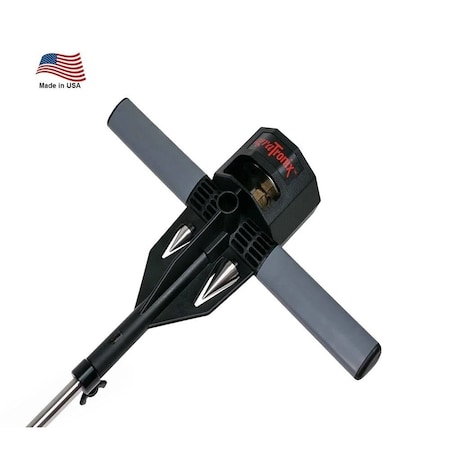
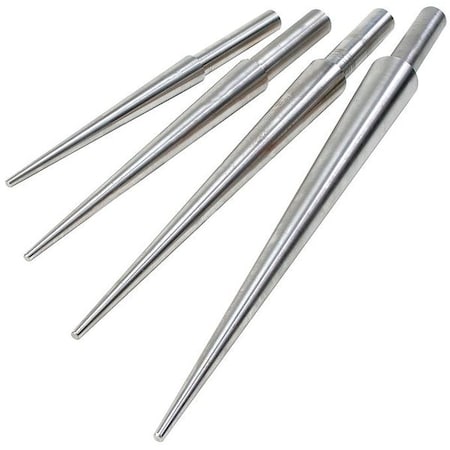
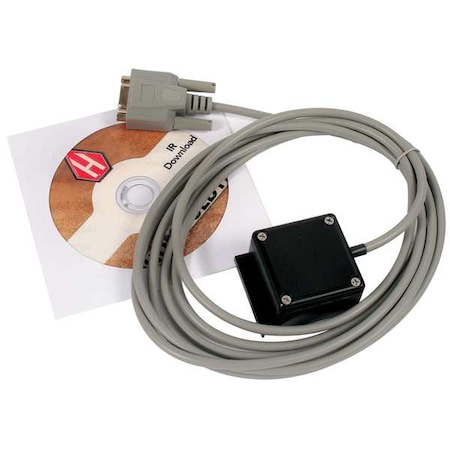
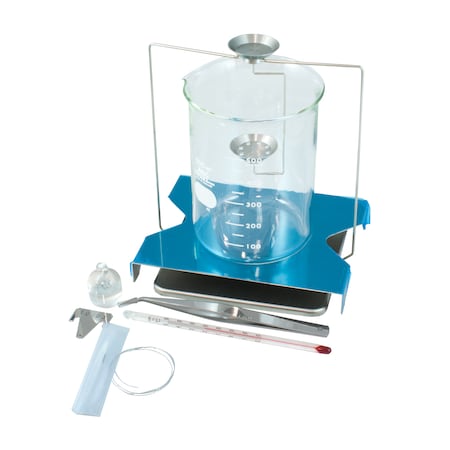
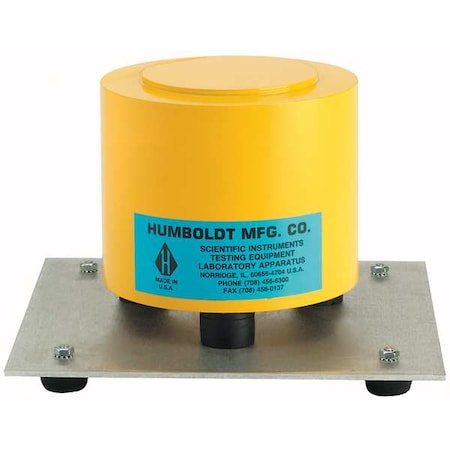
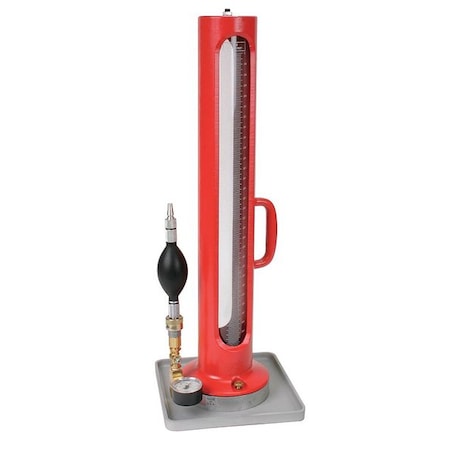
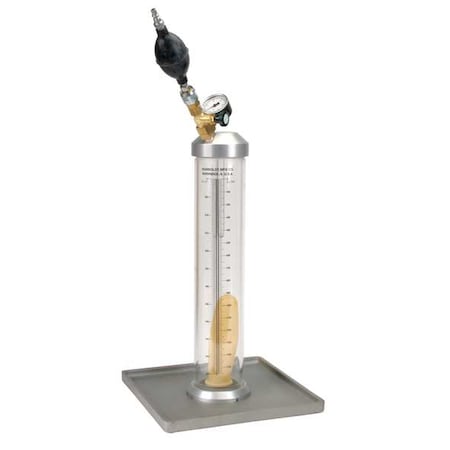
A voluvessel can determine the density levels of soil, such as specifying if soil is firmly bonded or compacted. This reading can be completed with a rubber balloon like device that reacts, and is viewed with a graduated cylinder for clarity. This soil density gauge supply is useful for mining properties, and for scientists to test compaction levels overtime. To further your soil testing experiences, we have additional tools such as soil testing penetrometers and soil probes. We also carry many soil core sampling accessories.
Frequently Asked Questions
Dynamic compaction gauges measure the resistance encountered by a falling weight to determine soil density, while static gauges use a static load applied to a penetrometer to achieve the same result. Dynamic gauges are more portable and faster, suitable for field tests, while static gauges are more precise and ideal for laboratory settings.
Factors such as soil moisture content, soil type, grain size, and operator technique can impact the accuracy of compaction gauge readings. Calibration and proper use are crucial for reliable results.
When choosing a compaction gauge, key specifications to consider include gauge type (dynamic or static), measurement range, accuracy, resolution, data logging capabilities, and ease of use.
To ensure reliable data from compaction gauges, regular calibration is essential. Additionally, proper site preparation, careful operation, and data verification help ensure the accuracy and validity of the measurements.