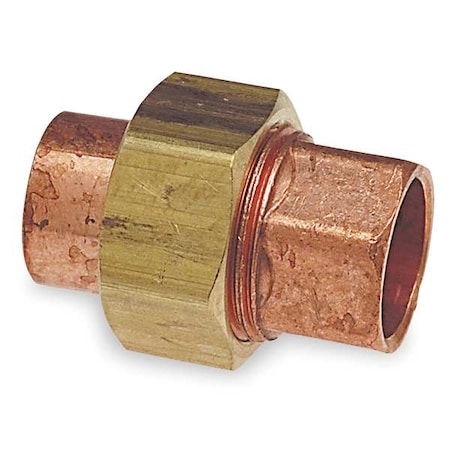
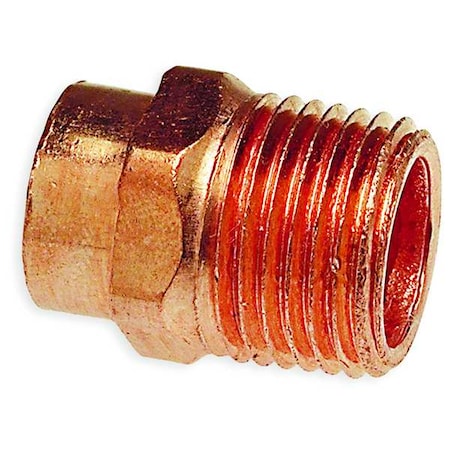
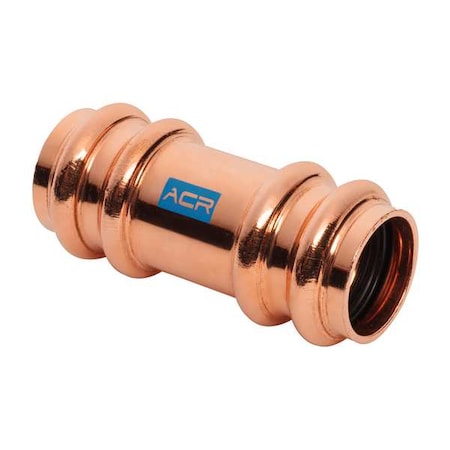
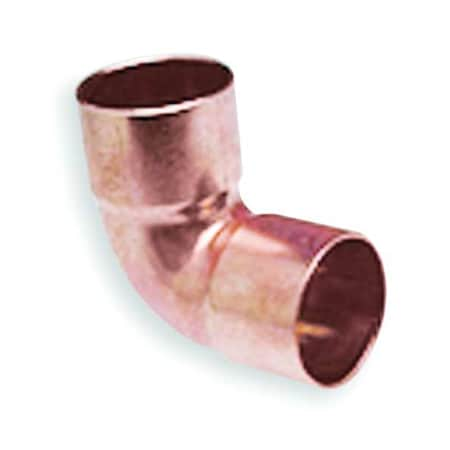
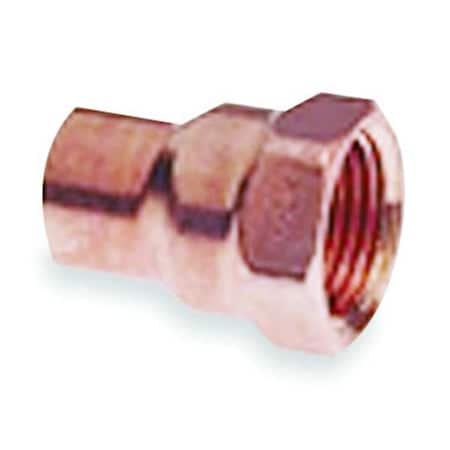
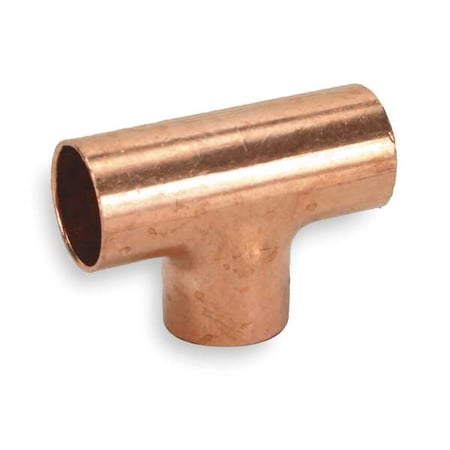
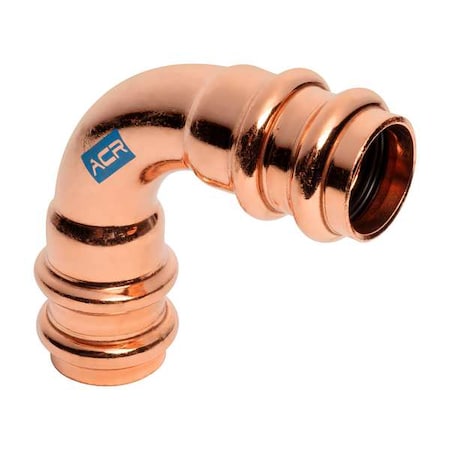
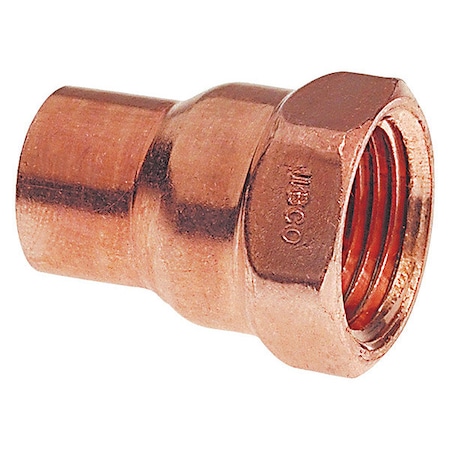
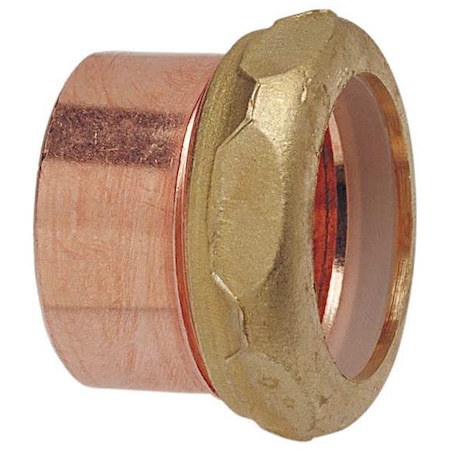
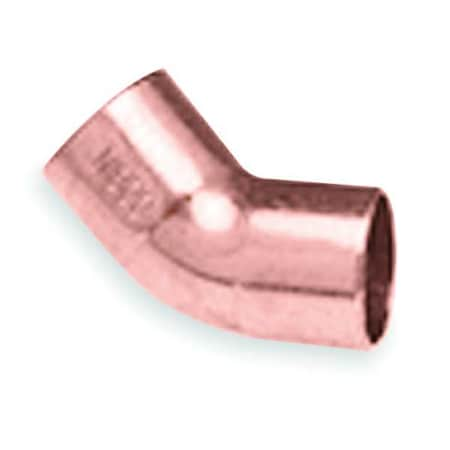
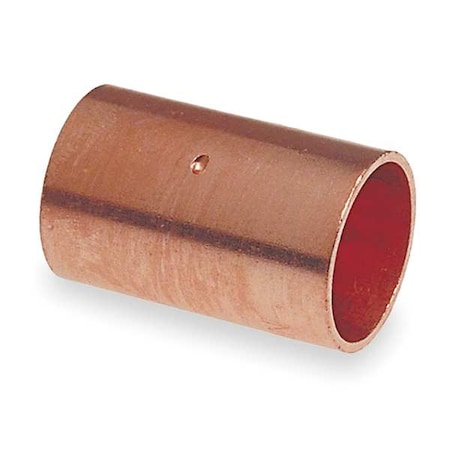
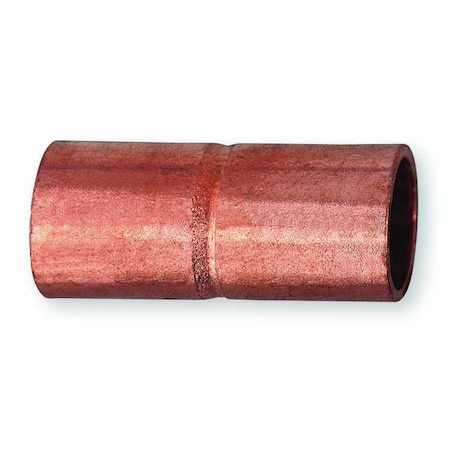
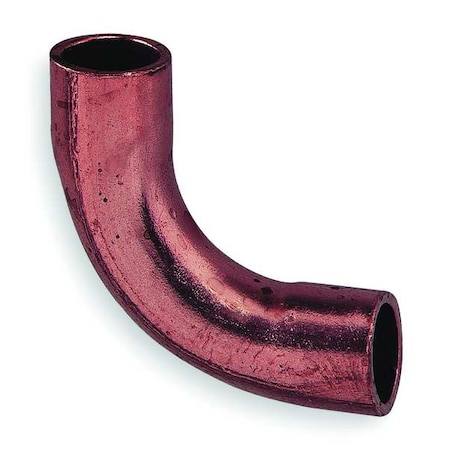
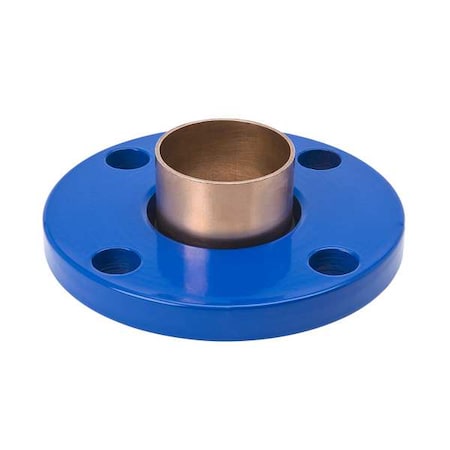
Copper fittings are vital components in plumbing systems, renowned for their durability, corrosion resistance and excellent thermal and electrical conductivity. Available in a variety of shapes and sizes to accommodate different pipe connections, these high-quality copper materials are versatile for diverse plumbing applications. The market offers an array of fitting types such as couplings, elbows, tees, reducers, and caps that cater to specific system designs or application requirements. Manufactured through techniques like casting or forging with various copper alloys like C12200 or C22000, these fittings ensure optimal strength and functionality. Serving multiple industries including HVAC, refrigeration and gas distribution both in residential and commercial settings; plumbers and technicians favor them due to their superior longevity, ease of installation plus cost-effectiveness.
Frequently Asked Questions
Copper fittings are components used to connect copper pipes in plumbing systems. They are typically made of copper alloy and come in various shapes and sizes to accommodate different pipe diameters and configurations.
Copper fittings offer several advantages, including corrosion resistance, durability, and ease of installation. They are also relatively lightweight, making them suitable for various plumbing applications.
There are various types of copper fittings, including elbows, tees, couplings, reducers, and caps. Each type serves a specific purpose in connecting copper pipes and creating a complete plumbing system.
To select the appropriate copper fittings for your project, consider the pipe diameters, the desired connection type, and the specific requirements of your plumbing system. It is recommended to consult with a qualified plumber for guidance.