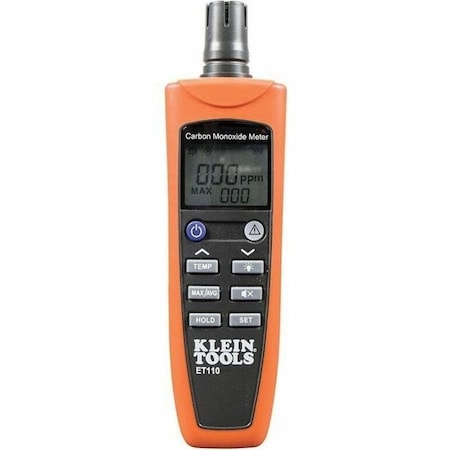
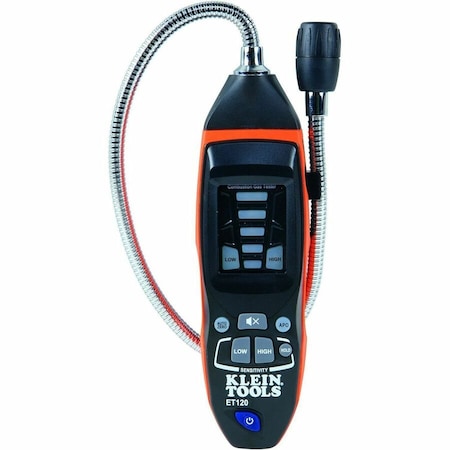
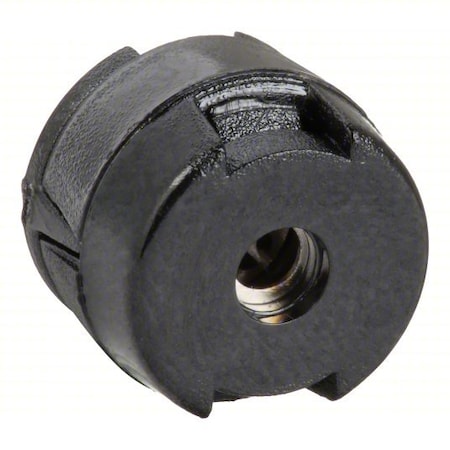
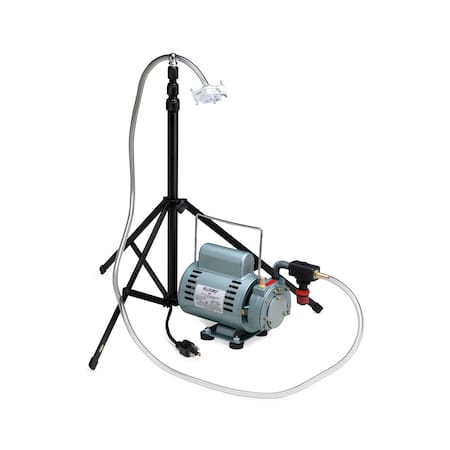
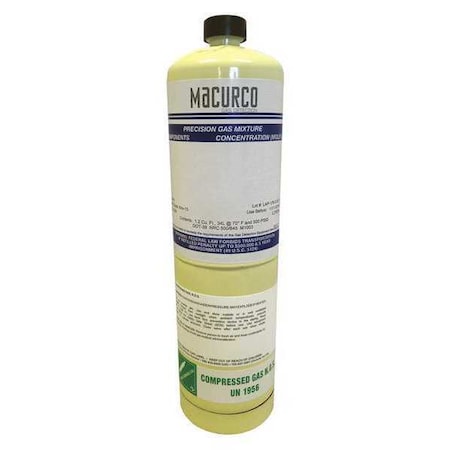
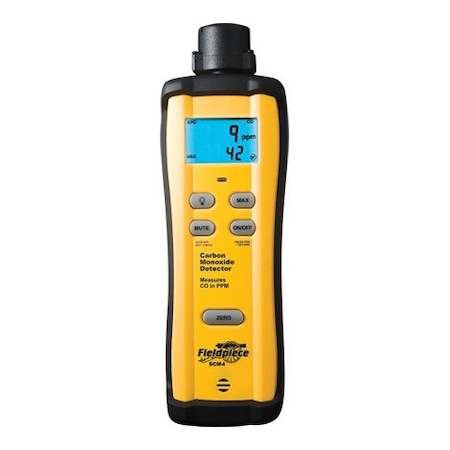
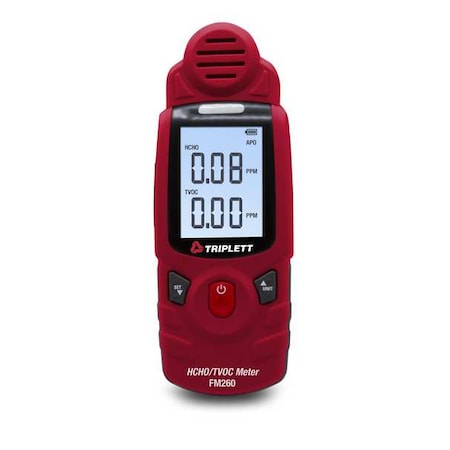
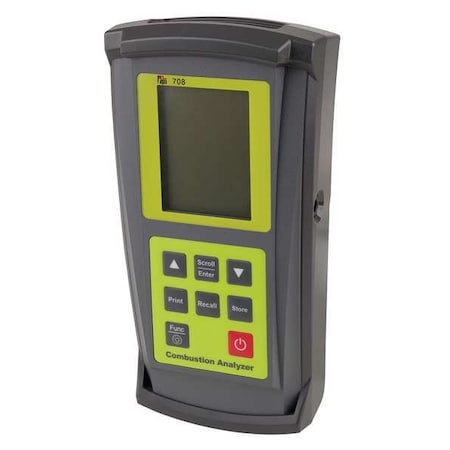
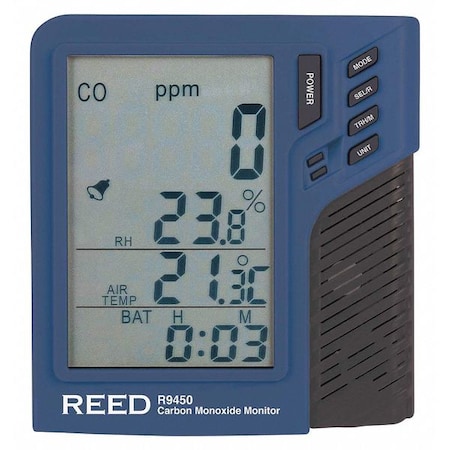
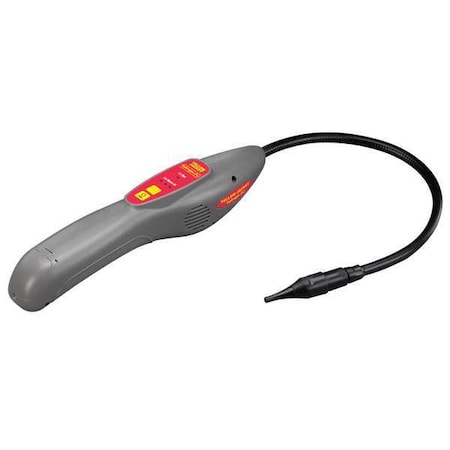
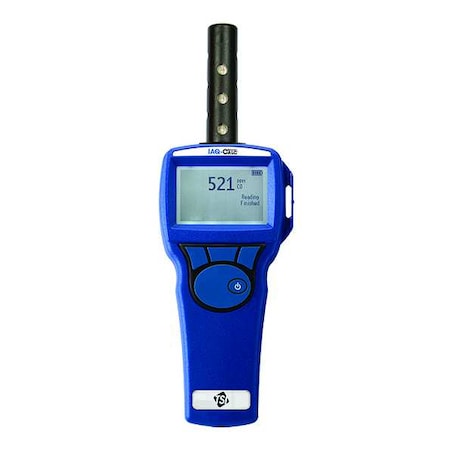
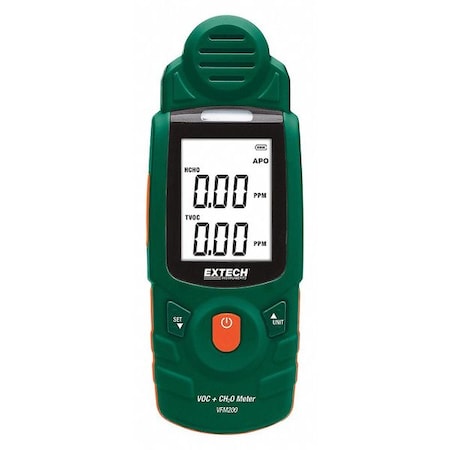
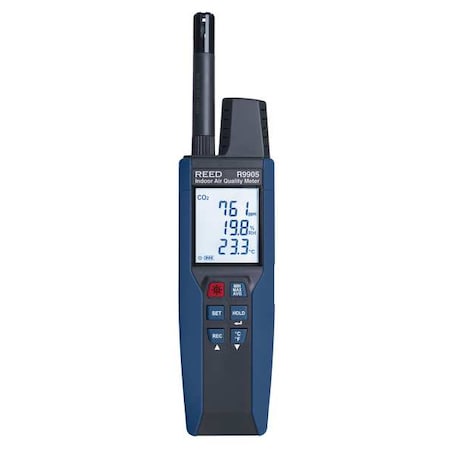
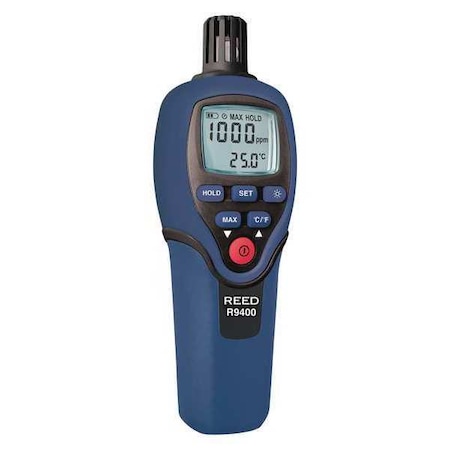
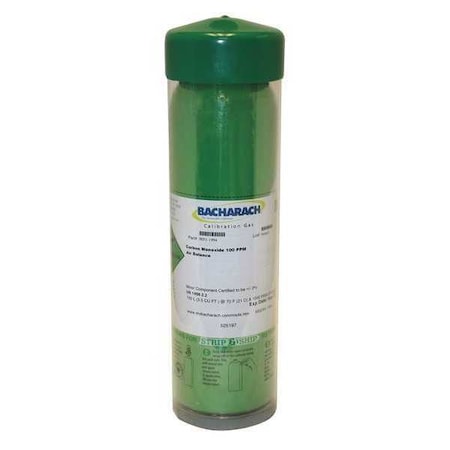
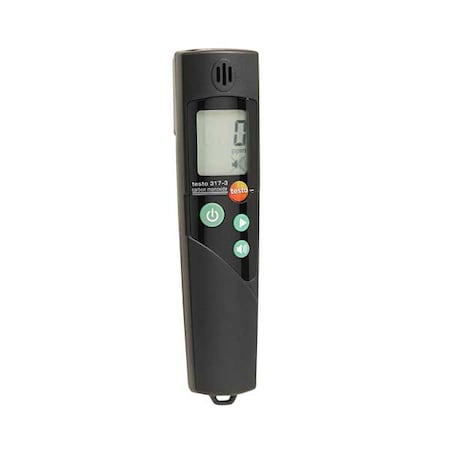
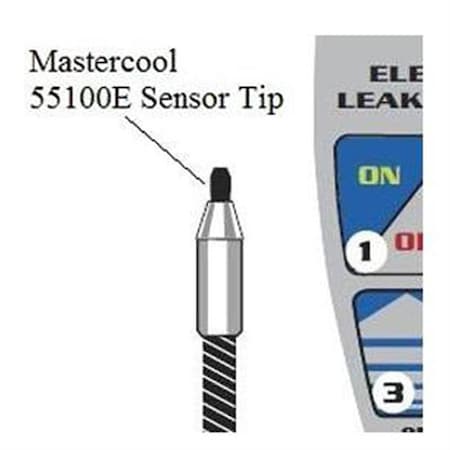
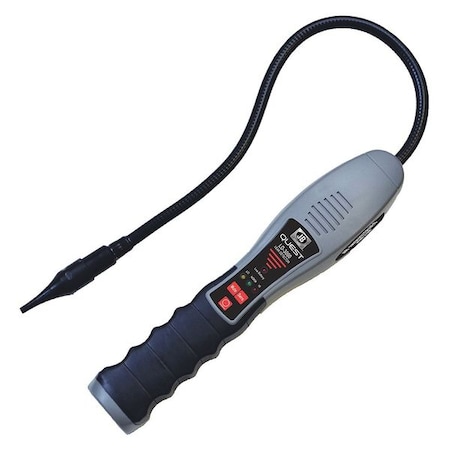
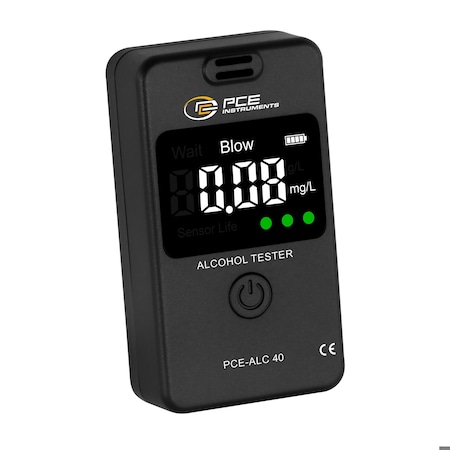
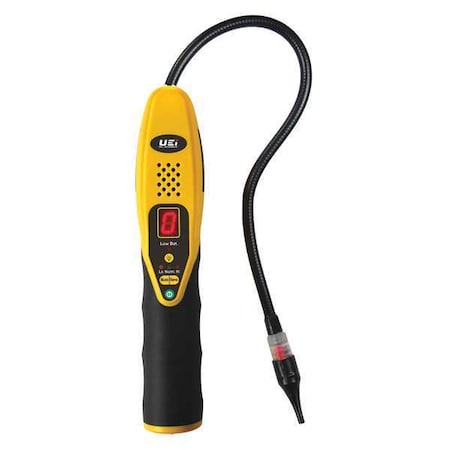
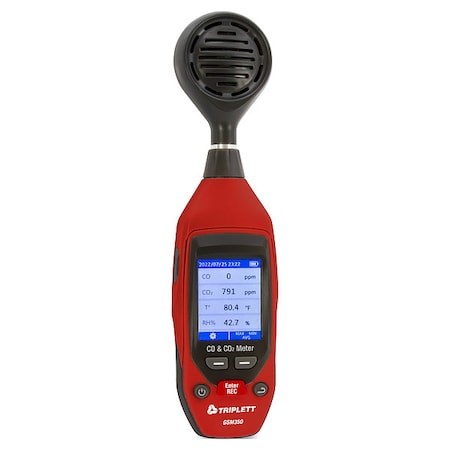
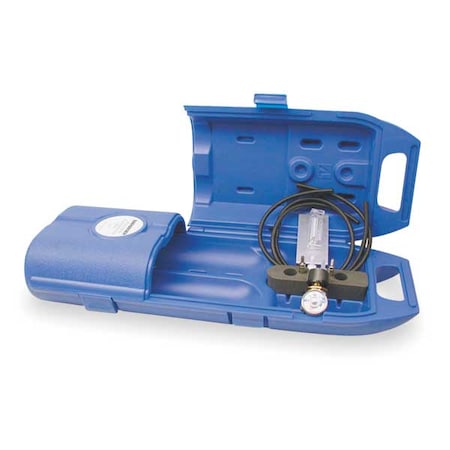
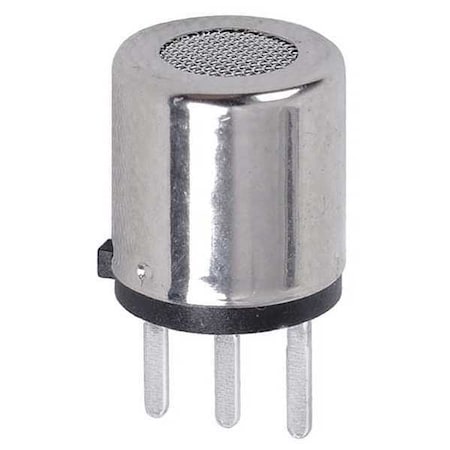
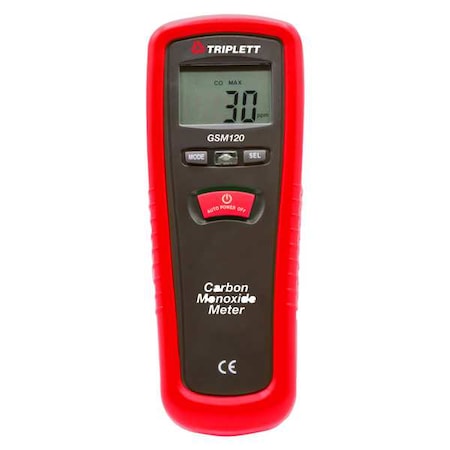
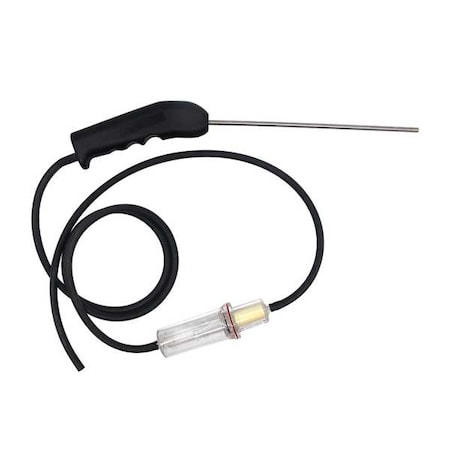
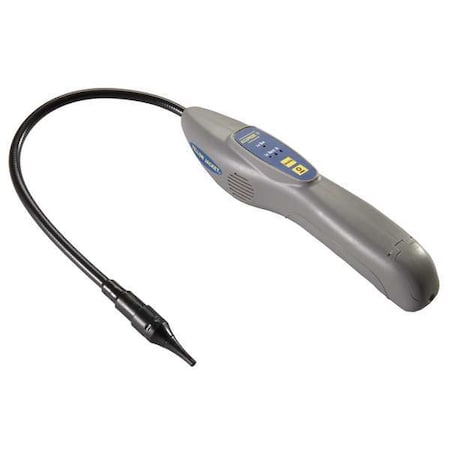
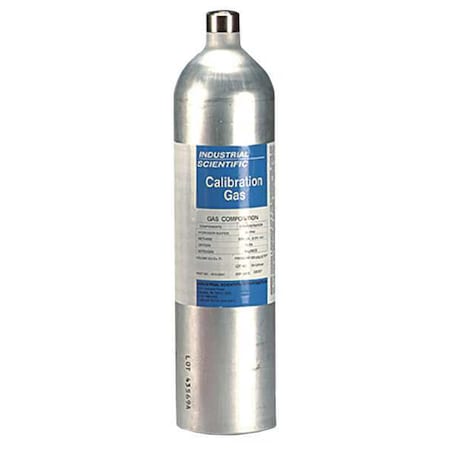
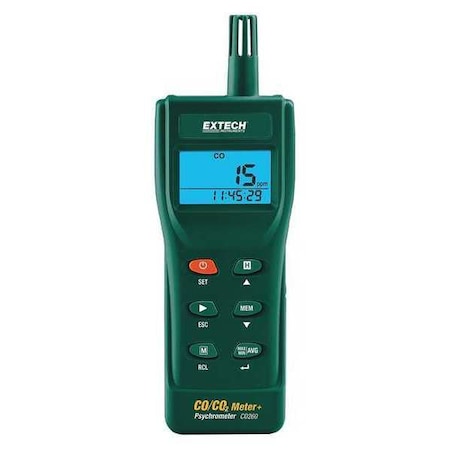
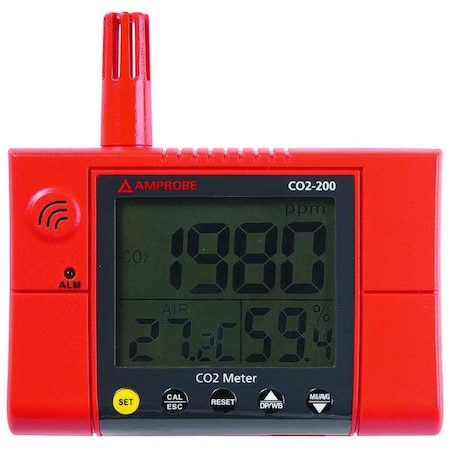
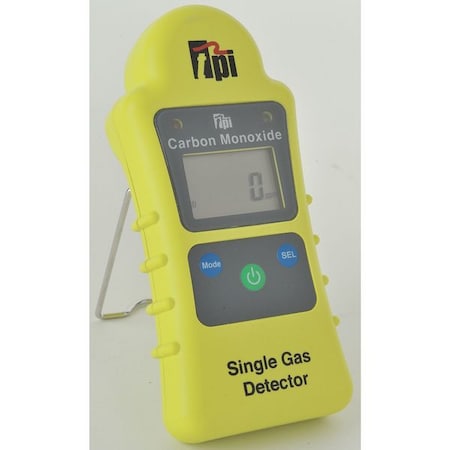
Analyze indoor air, detect or measure carbon dioxide and carbon monoxide, or detect refrigerant leaks with our gas analyzers, gas leak detectors and gas analyzer accessories. Gas analyzers are also used in biochemistry to measure fermentation, in agricultural sciences to measure photosynthesis, and in electronics (soldering), to name a few applications. Gases typically measured include 02, CO, CO2 N2O HC, NOx and others.
Frequently Asked Questions
A gas analyzer is a device that is used to measure the concentration of gases in a gas mixture. Gas analyzers are used in a variety of industrial and scientific applications, such as environmental monitoring, quality control, and medical diagnosis.
Gas analyzers typically work by passing the gas mixture through a sensor that is sensitive to the presence of the target gas. The sensor generates a signal that is proportional to the concentration of the target gas, which is then displayed on a digital readout or recorded for later analysis.
There are a variety of different types of gas analyzers available, each with its own advantages and disadvantages. Some of the most common types of gas analyzers include electrochemical sensors, optical sensors, and mass spectrometers.
Gas analyzers offer a number of benefits, including: improved safety, increased efficiency, and reduced downtime. Gas analyzers can help to detect gas leaks and emissions, which can help to prevent accidents and protect human health. They can also be used to optimize industrial processes and reduce energy consumption, which can lead to significant efficiency improvements.