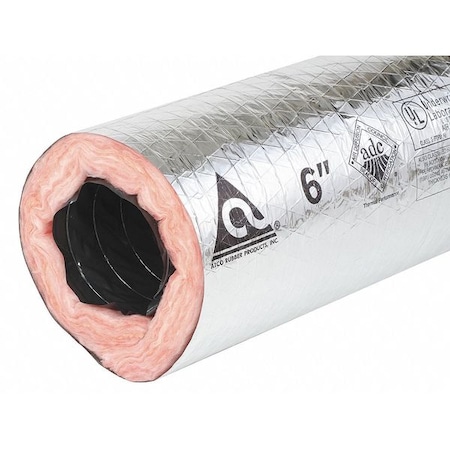
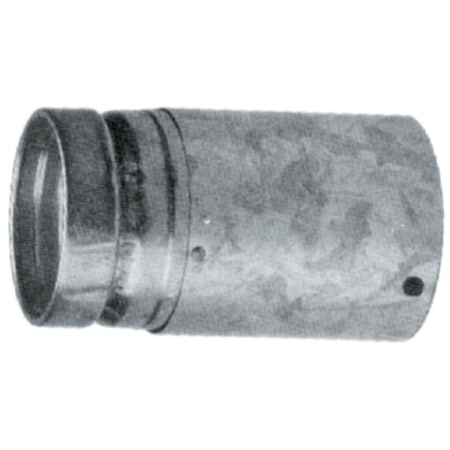
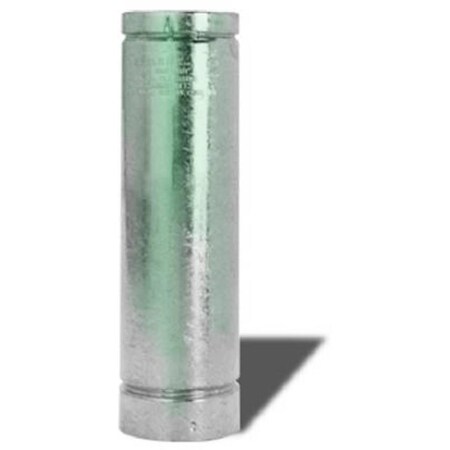
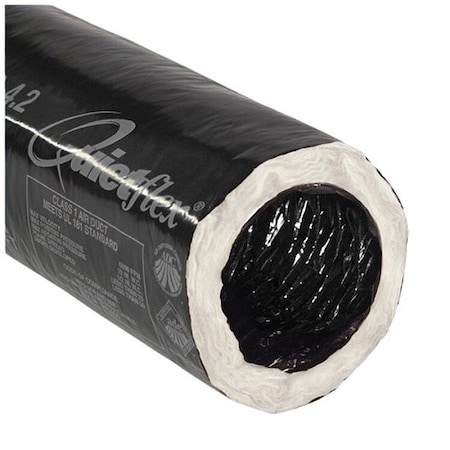
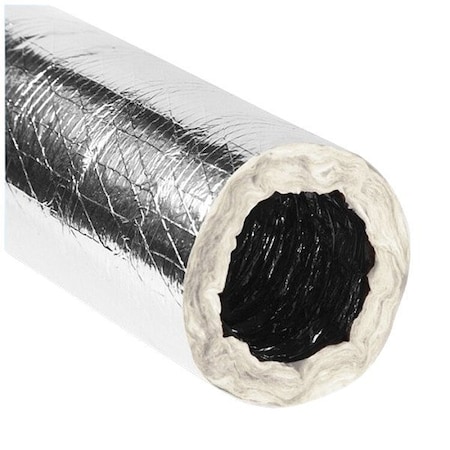
Heating, ventilation, and air conditioning (HVAC) systems can be categorized into central systems and decentralized systems. Central systems consist of a central unit that conditions the air and ducts that distribute the conditioned air throughout the building. Decentralized systems, on the other hand, consist of individual units that condition the air in specific zones or rooms.
The best heating and ventilation system for your business depends on several factors, including the size and layout of your building and the number of occupants. To determine the most suitable system for your needs, it is advisable to consult with an HVAC professional who can assess your specific requirements and provide tailored recommendations.
There are numerous steps you can take to enhance the efficiency of your heating and cooling system. Regular maintenance, including filter changes and system inspections, is crucial. Additionally, ensuring proper insulation, sealing any air leaks, and utilizing programmable thermostats or smart controls to optimize temperature settings can significantly improve system efficiency.
The heating and cooling industry is constantly evolving, with ongoing advancements in technology. Some of the latest innovations include variable refrigerant flow (VRF) systems, heat recovery ventilation (HRV) systems, and geothermal heat pumps. These technologies offer improved energy efficiency, enhanced comfort, and reduced environmental impact.