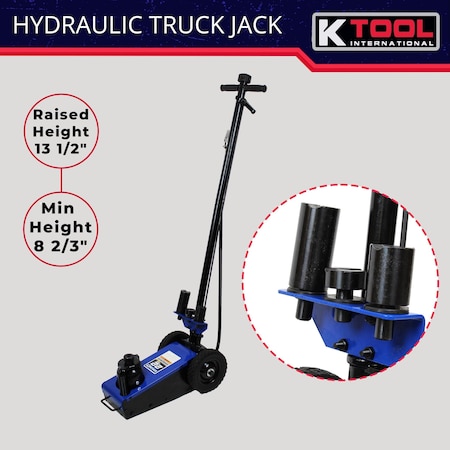
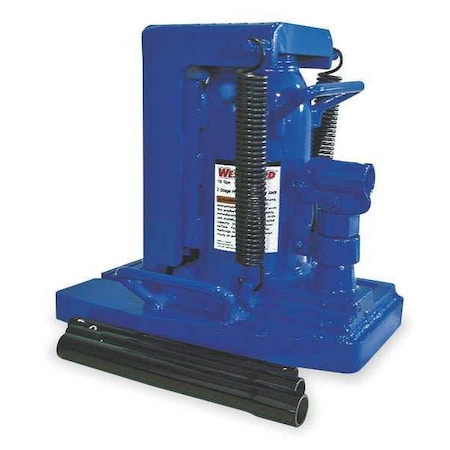
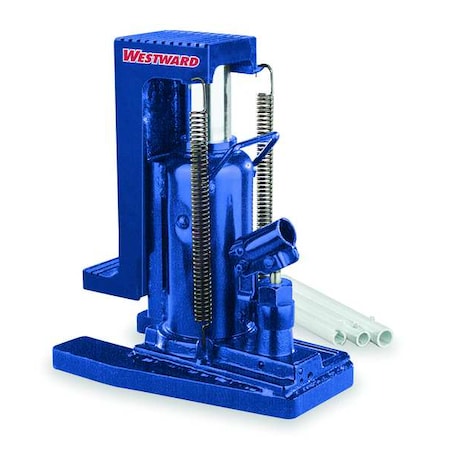
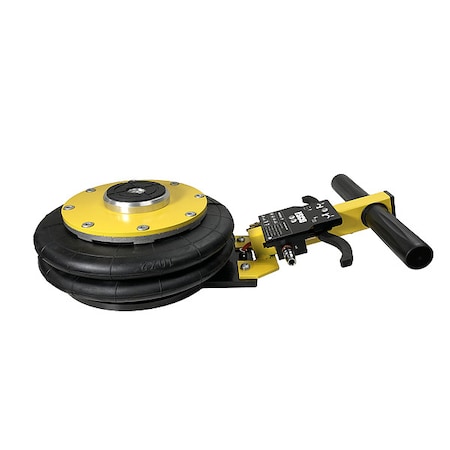
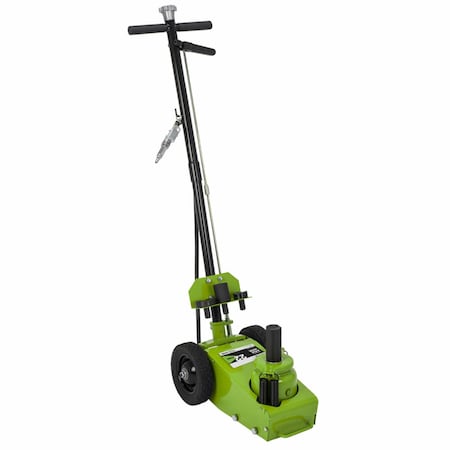
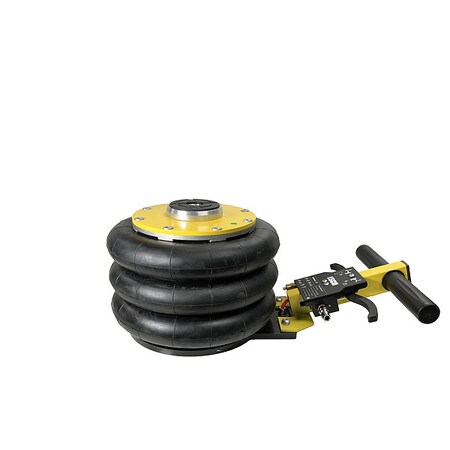
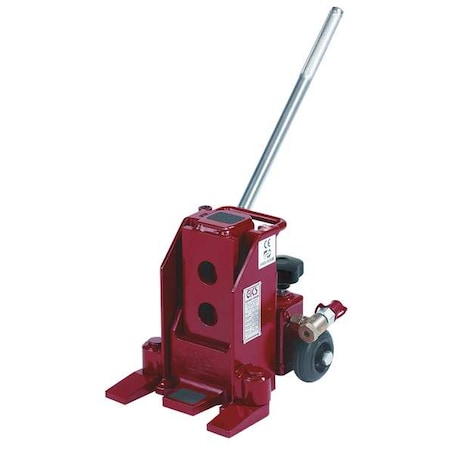
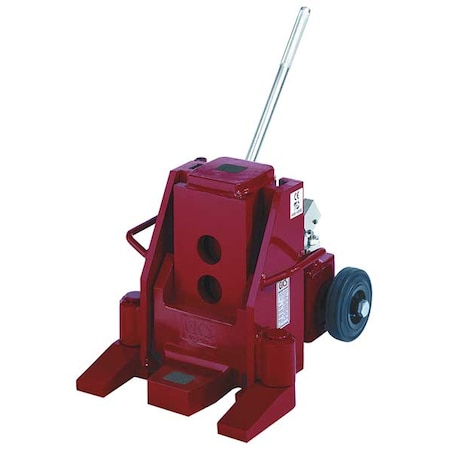
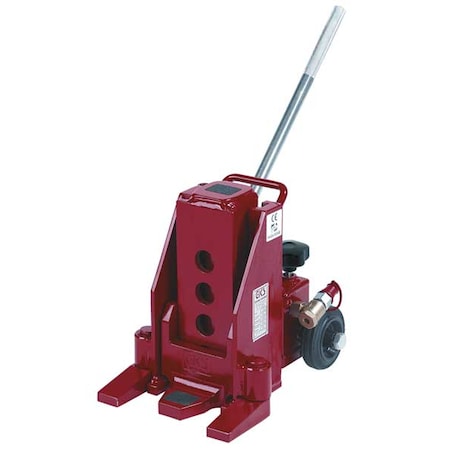
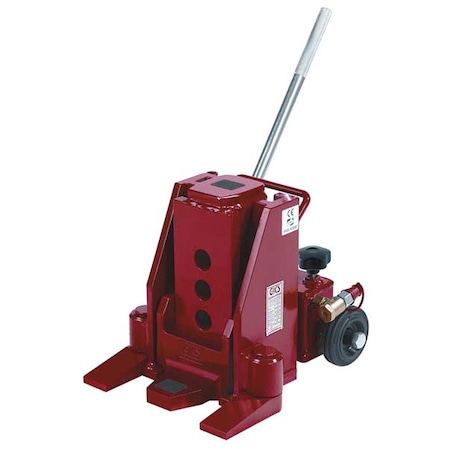
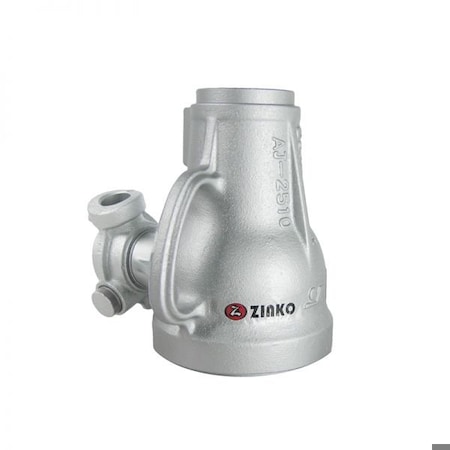
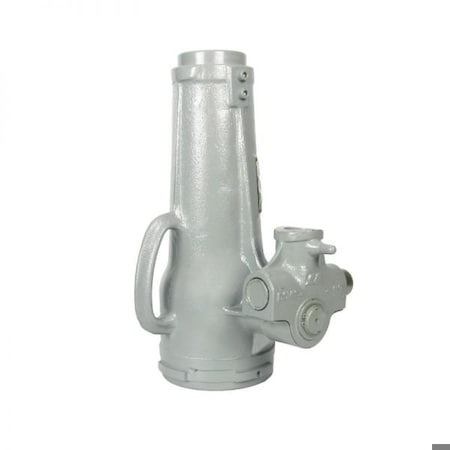
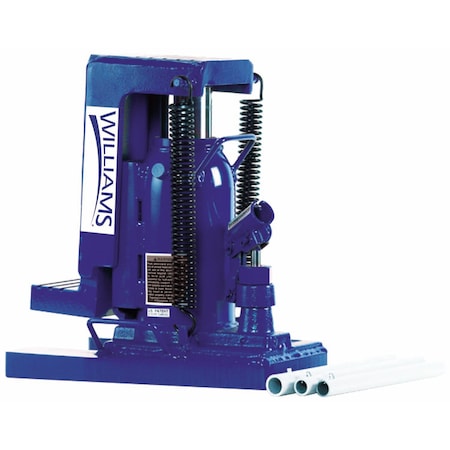
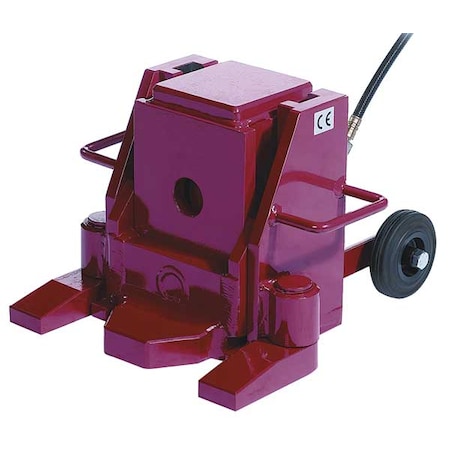
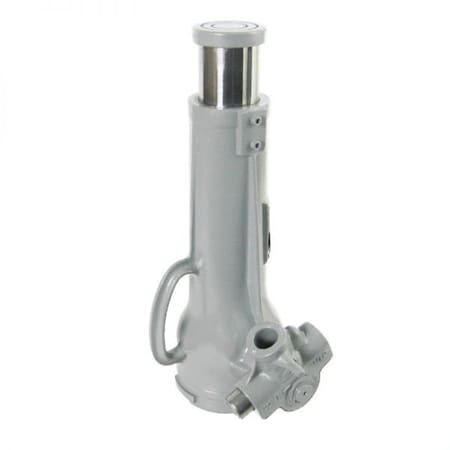
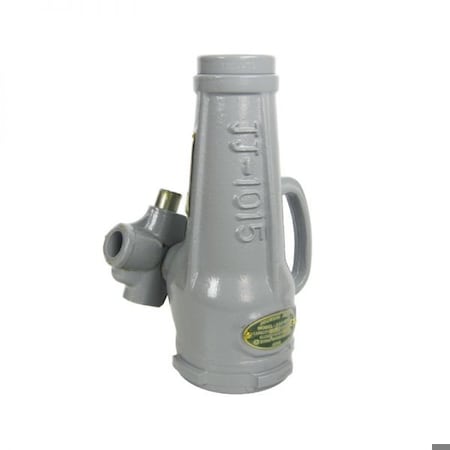
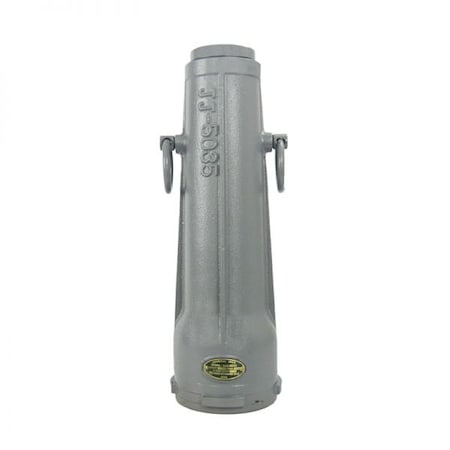
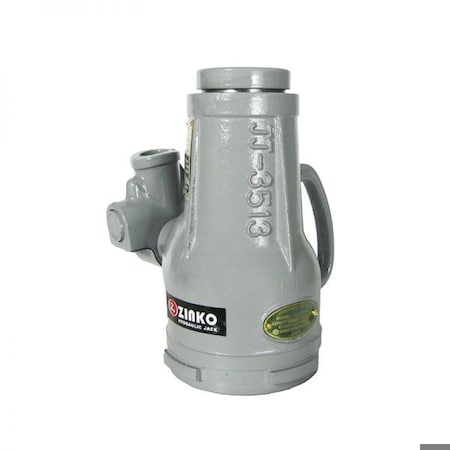
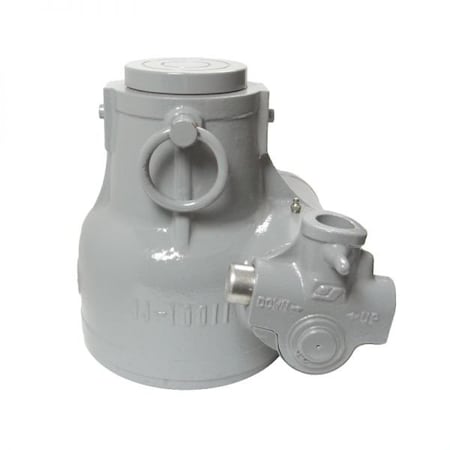
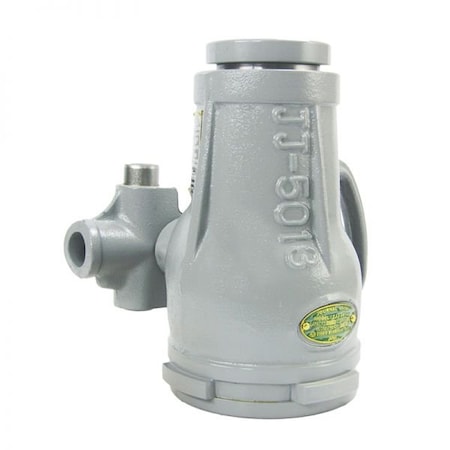
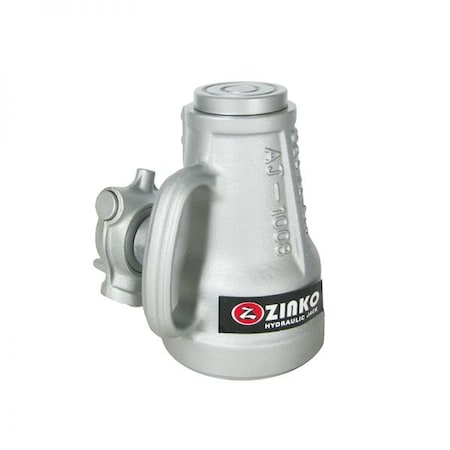
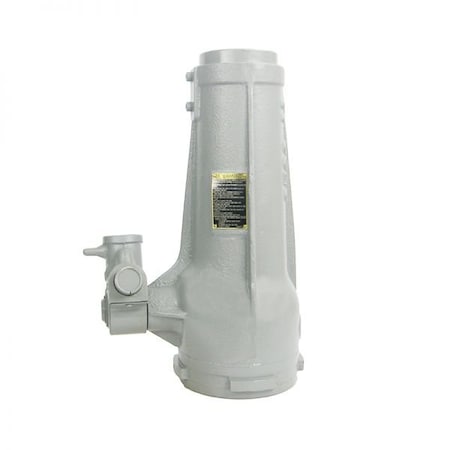
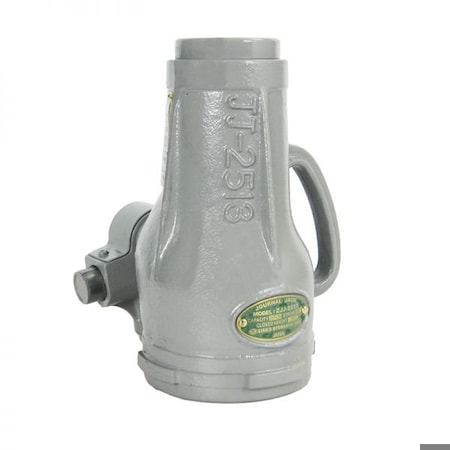
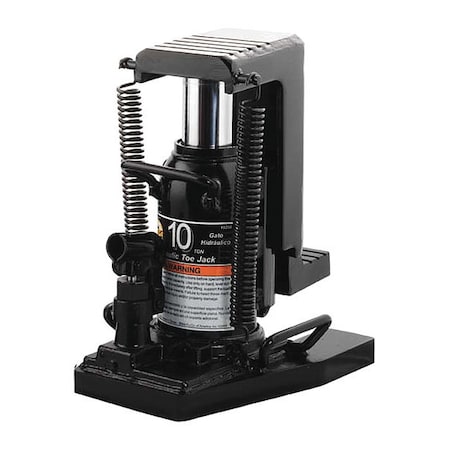
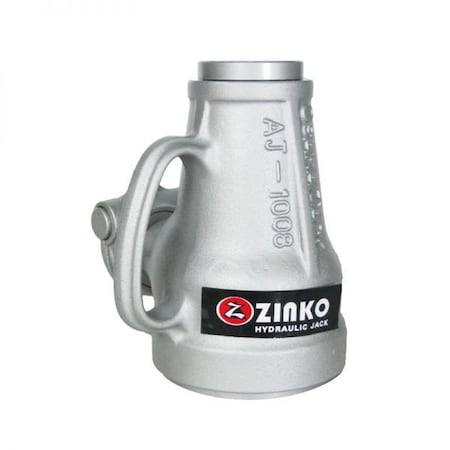
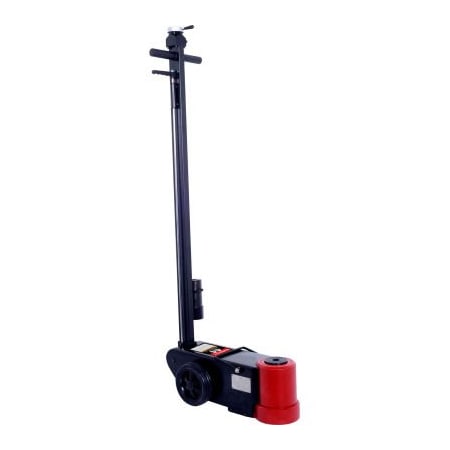
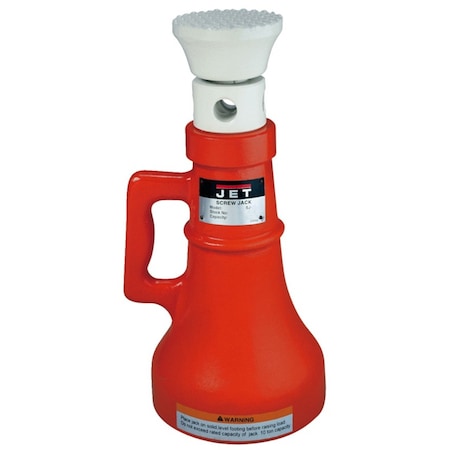
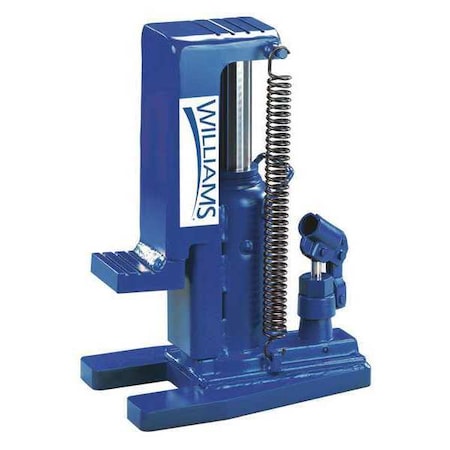
Hydraulic axle jacks use an air-powered piston to lift and lower vehicles for maintenance typically related to the axle, such as tire changes and brake work. They primarily consist of toe jacks and under axle jacks. Products vary by lifting capacity, among other considerations. A toe jack (AKA floor jack) is a heavy-duty lift with two lifting points, or saddles, that can be used to get under either very low or very high clearances. An under axle jack is also a heavy duty piece of equipment, typically capable of lifting items as heavy as loaded trailers, buses, and other Class 7 and 8 vehicles. Items vary by lifting capacity and other considerations. For more options on getting vehicles off the ground, see our bottle jacks and vehicle lifts.
Frequently Asked Questions
A hydraulic axle jack is a type of jack that uses hydraulic pressure to lift heavy vehicles. It consists of a hydraulic pump that pressurizes hydraulic fluid, which then flows into a cylinder to extend a ram that lifts the vehicle.
Hydraulic axle jacks offer several benefits, including greater lifting capacity, smoother operation, and reduced effort compared to mechanical jacks. They are also more compact and portable, making them suitable for use in confined spaces or on-site repairs.
When selecting a hydraulic axle jack, consider factors such as the weight capacity required, the lifting height, and the stroke length. It's important to choose a jack that meets or exceeds the weight rating of the vehicle you intend to lift, and that provides sufficient lifting height for your application.
Safety is paramount when using a hydraulic axle jack. Ensure the jack is placed on a stable and level surface, and that the vehicle's parking brake is engaged. Use jack stands to support the vehicle after lifting it, and never work under a vehicle supported only by a jack.