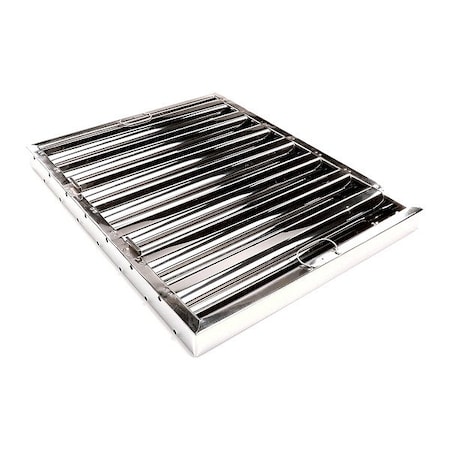
A laboratory hood or fume hood is a ventilated enclosure designed to prevent the release of harmful fumes, vapors, or dusts into a laboratory environment. It provides a safe and controlled workspace for handling hazardous materials by drawing contaminated air away from the user.
There are various types of laboratory hoods, each designed for specific applications. Common types include: Constant Air Volume (CAV) hoods, Variable Air Volume (VAV) hoods, Ductless hoods, and Canopy hoods. The type of hood required depends on the specific hazard being handled and the desired level of containment.
An effective laboratory hood should have several key features, including: Proper ventilation rate, Adequate sash opening height, Efficient filtration system, Visibility and ease of use, and Ergonomically designed workspace. These features ensure the safety and comfort of users while effectively containing contaminants.
Selecting the right laboratory hood depends on several factors. You should consider the type of hazardous materials being handled, the volume and nature of contaminants generated, the desired level of containment, the available space and ventilation system. It's recommended to consult with a laboratory equipment specialist or refer to industry standards to determine the most suitable hood for your specific needs.